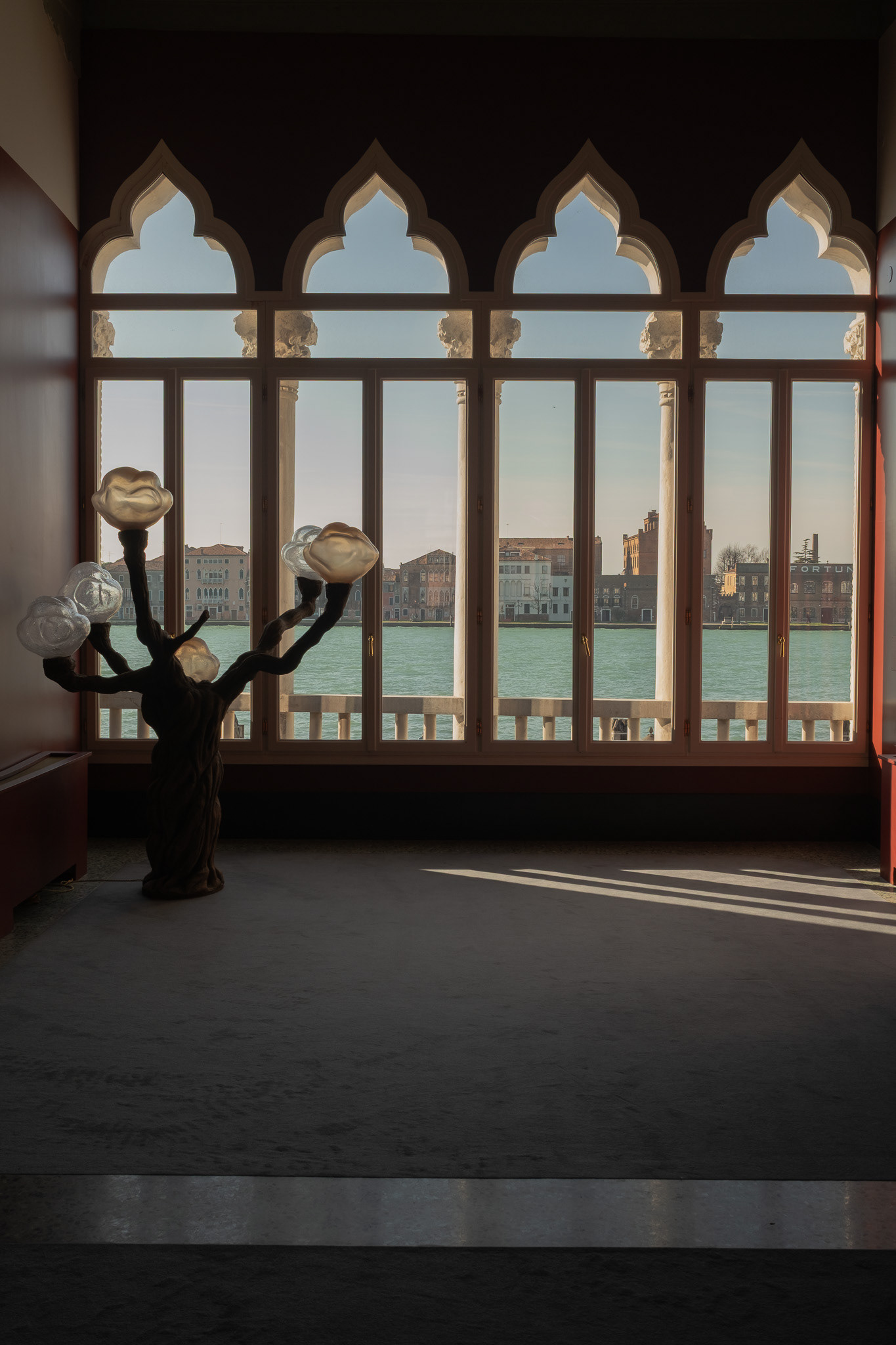
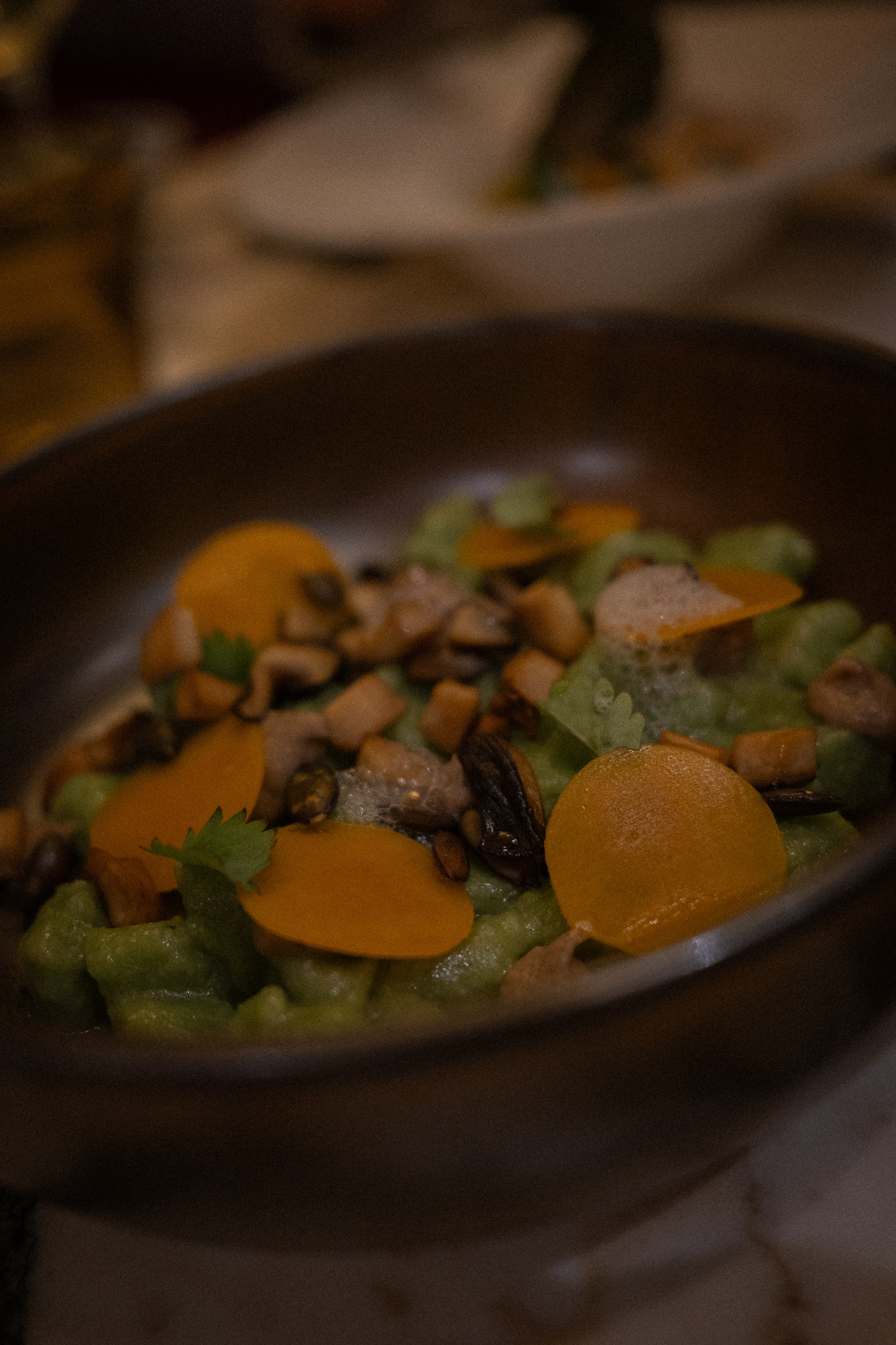
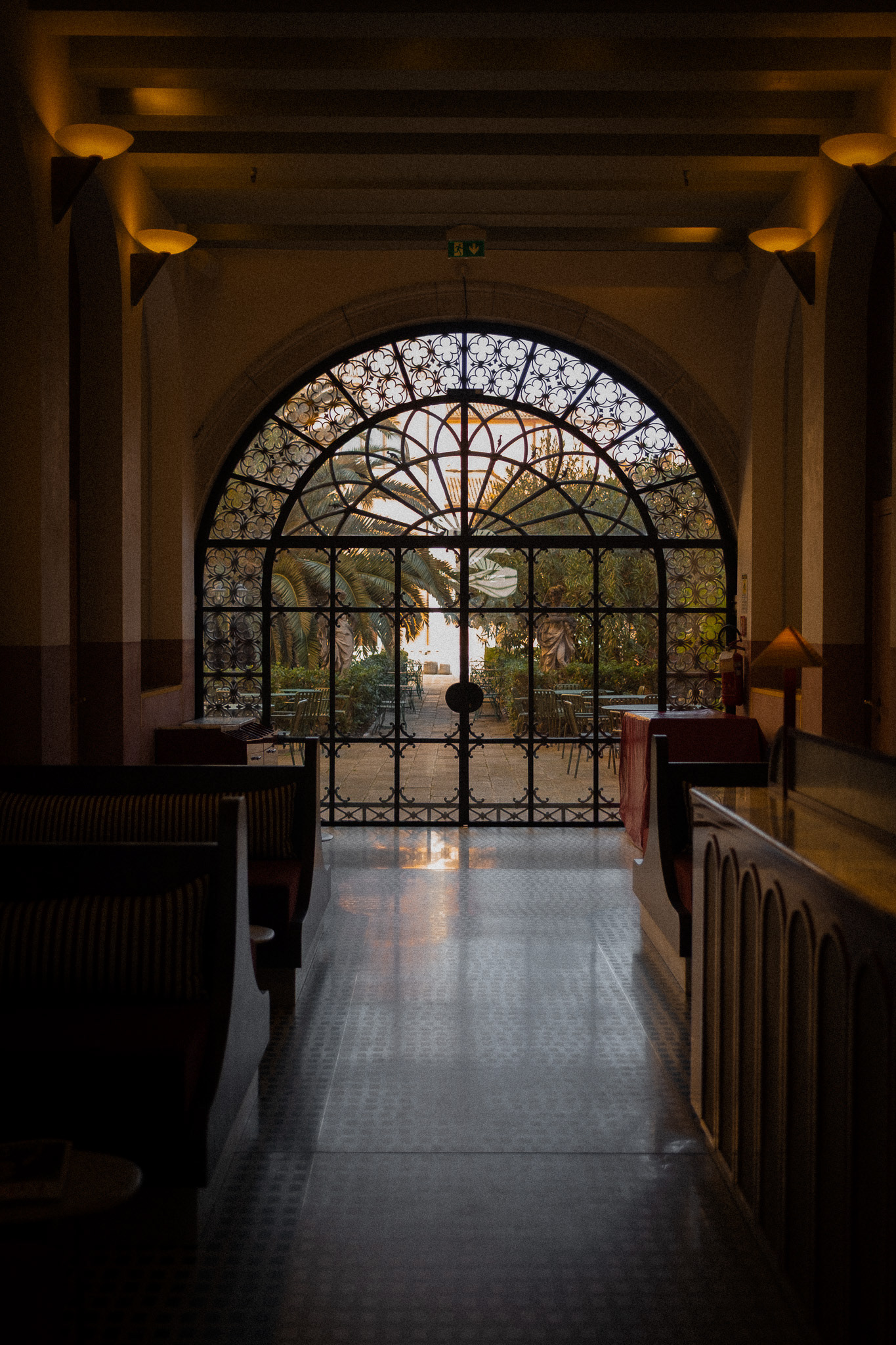
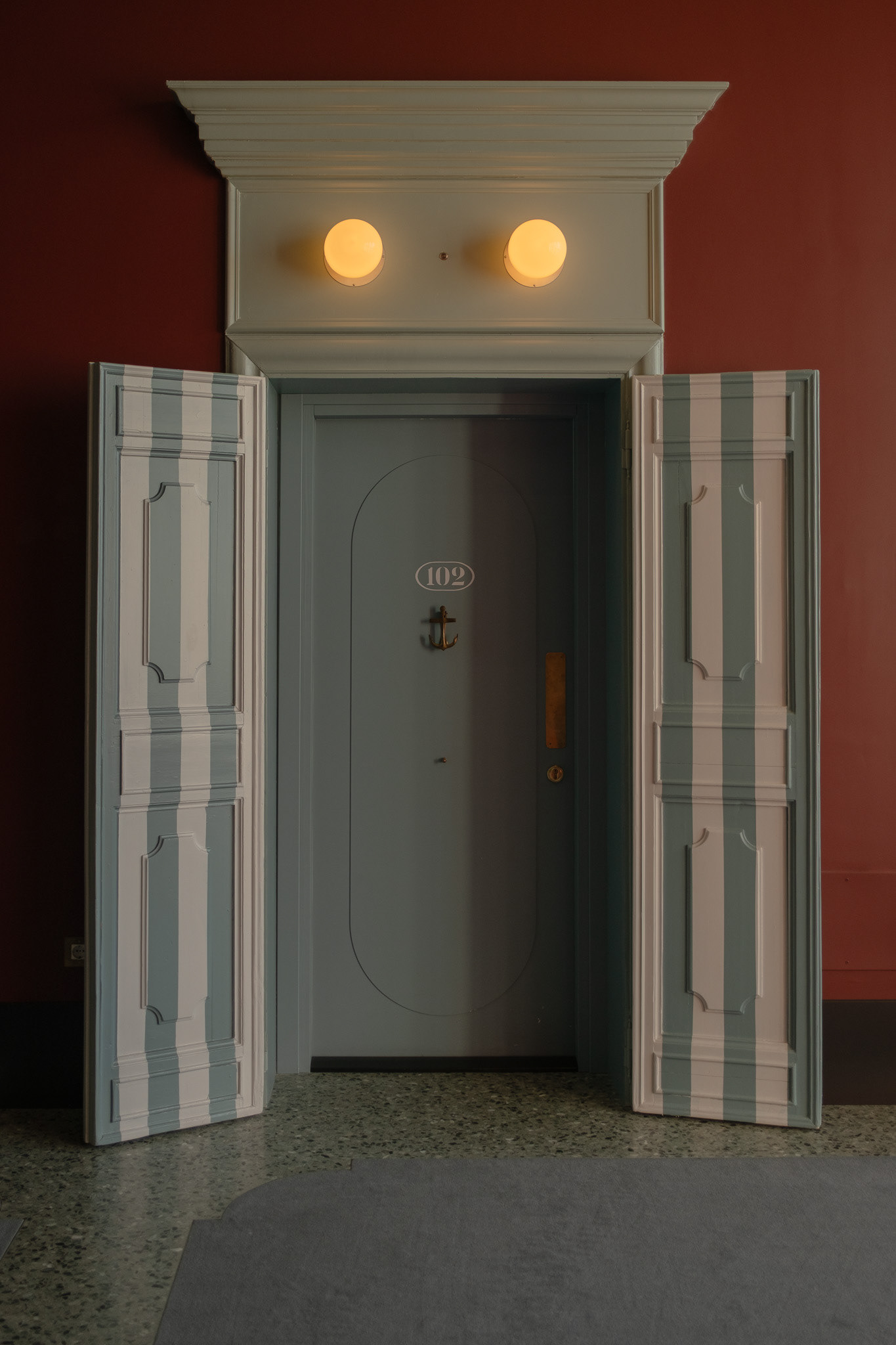
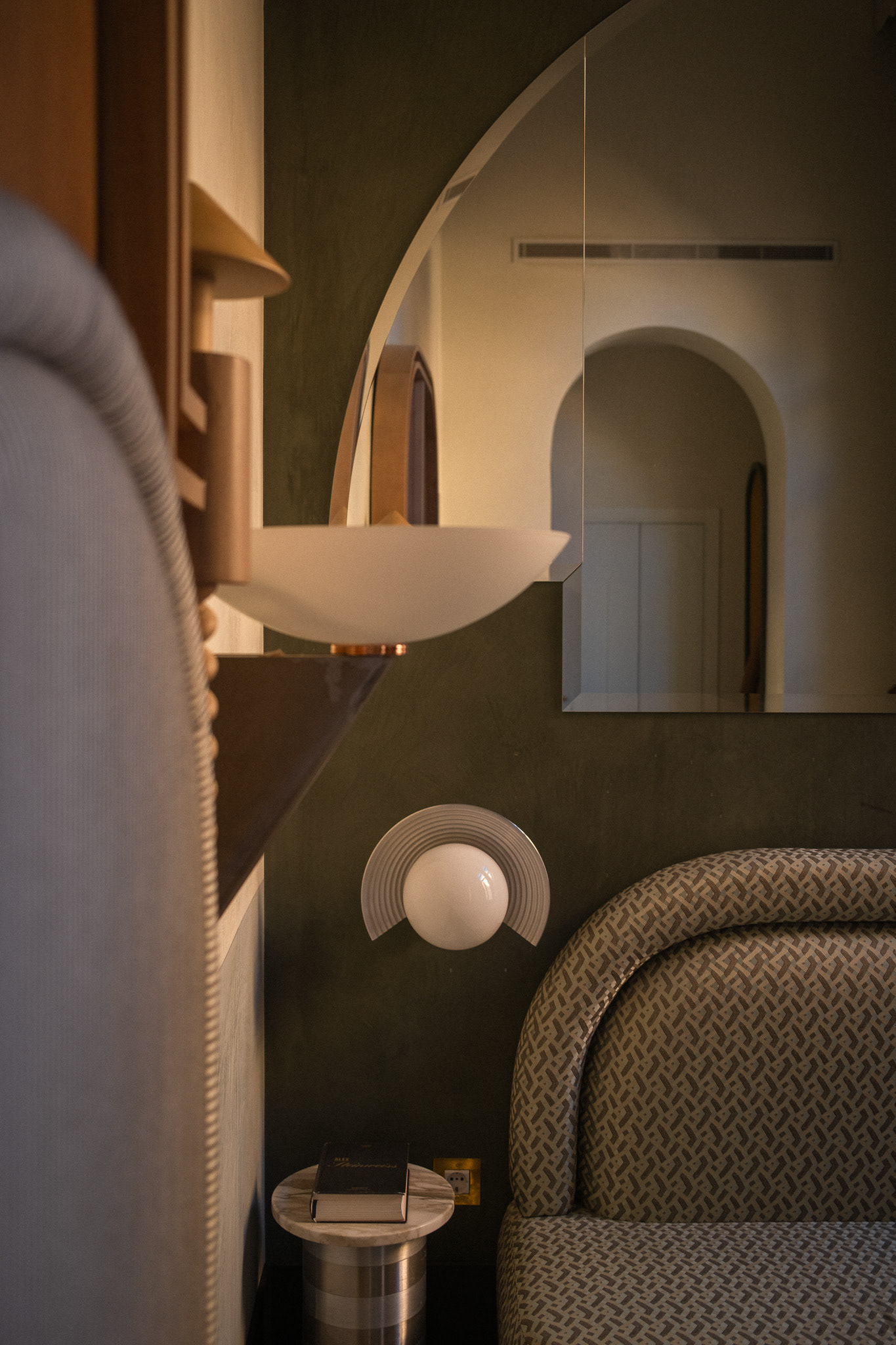
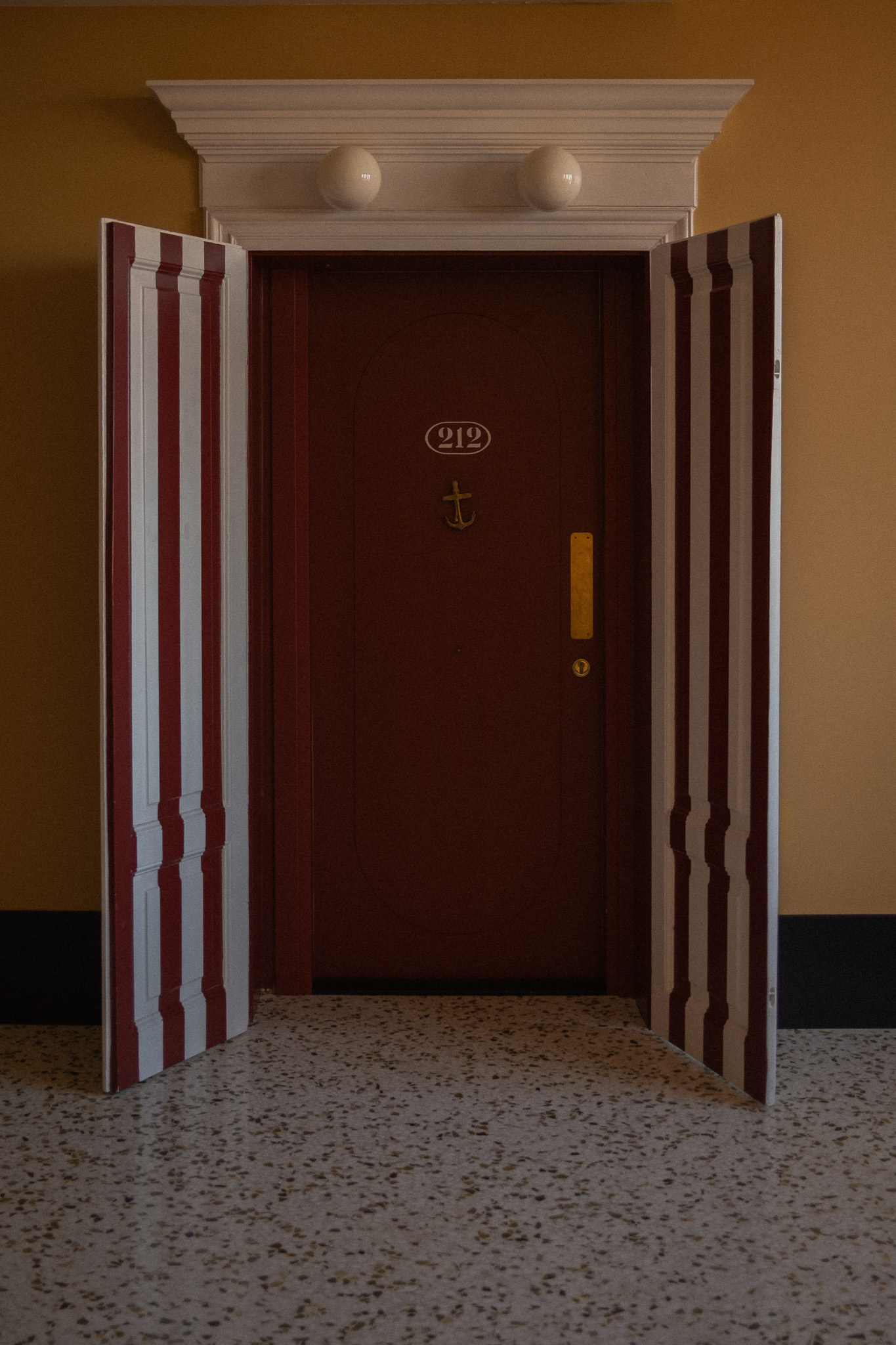
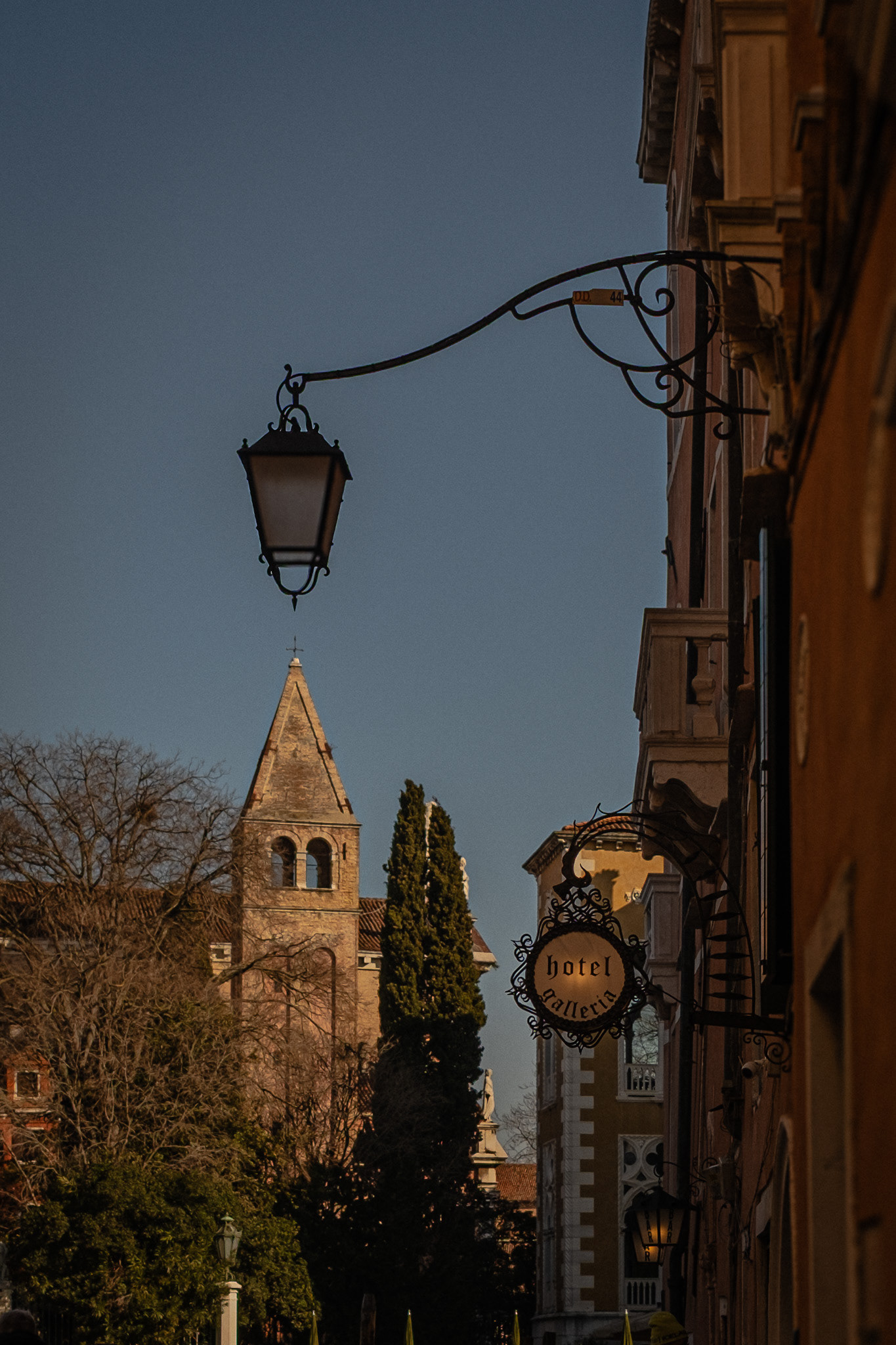
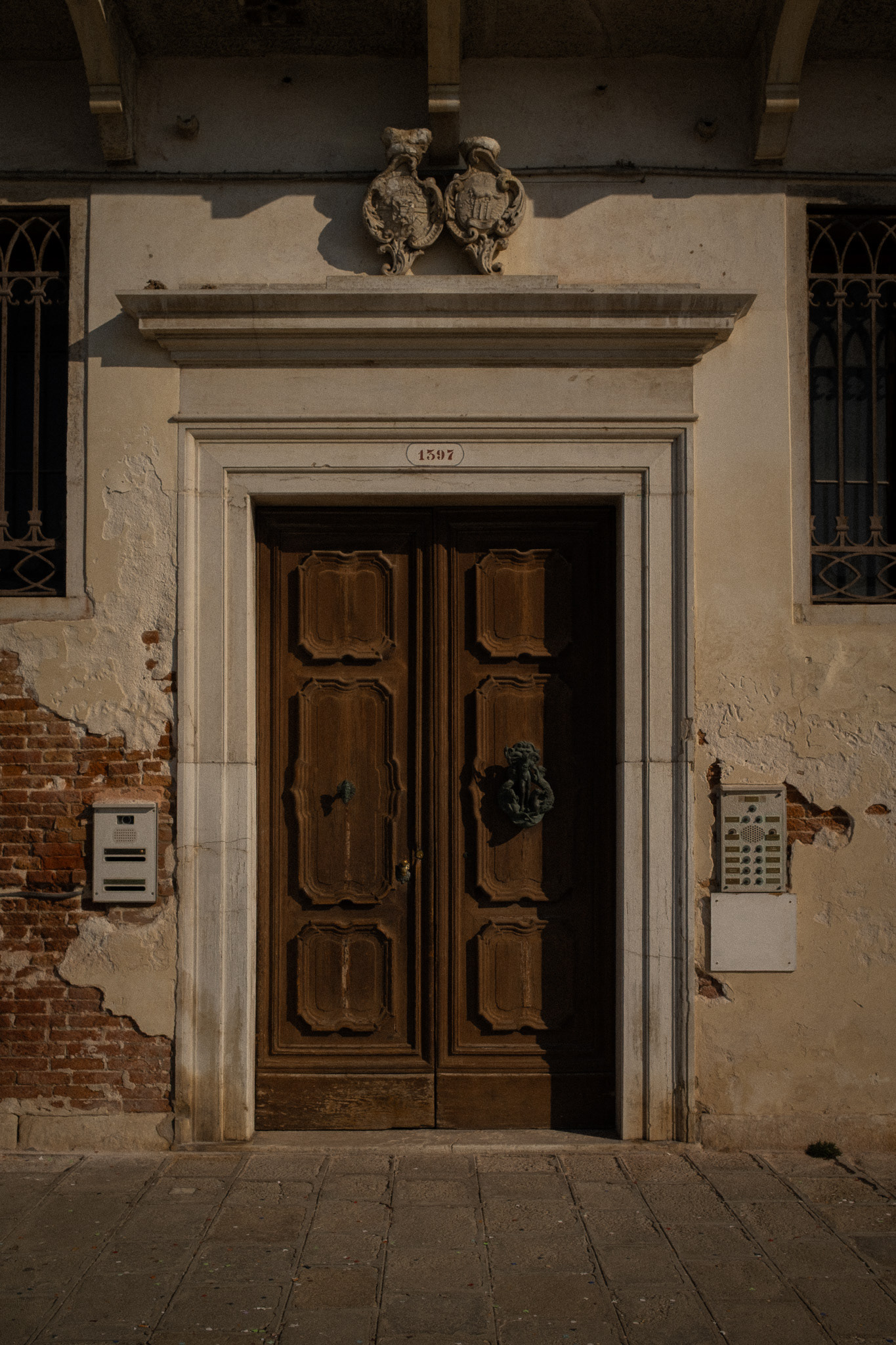
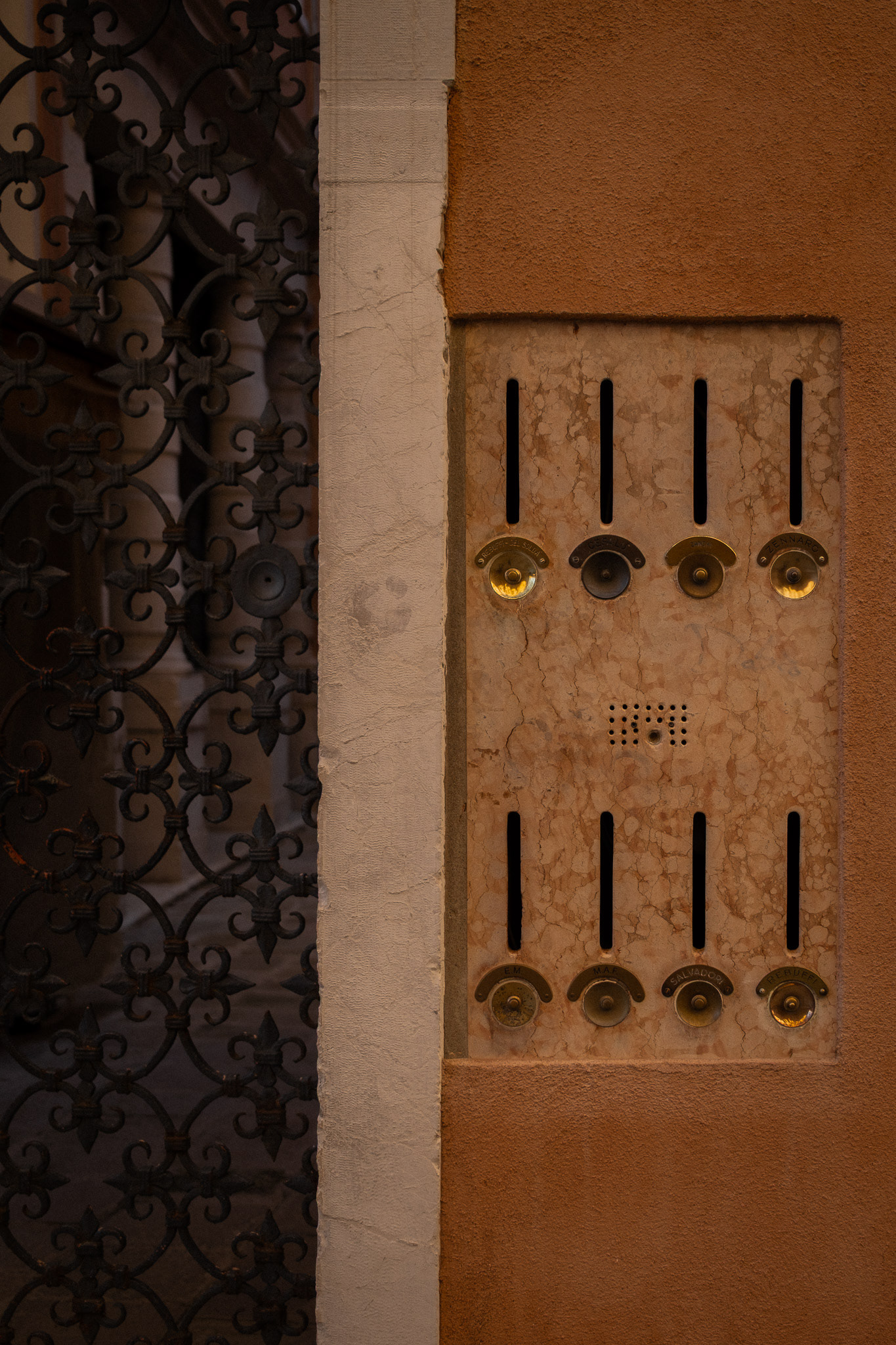
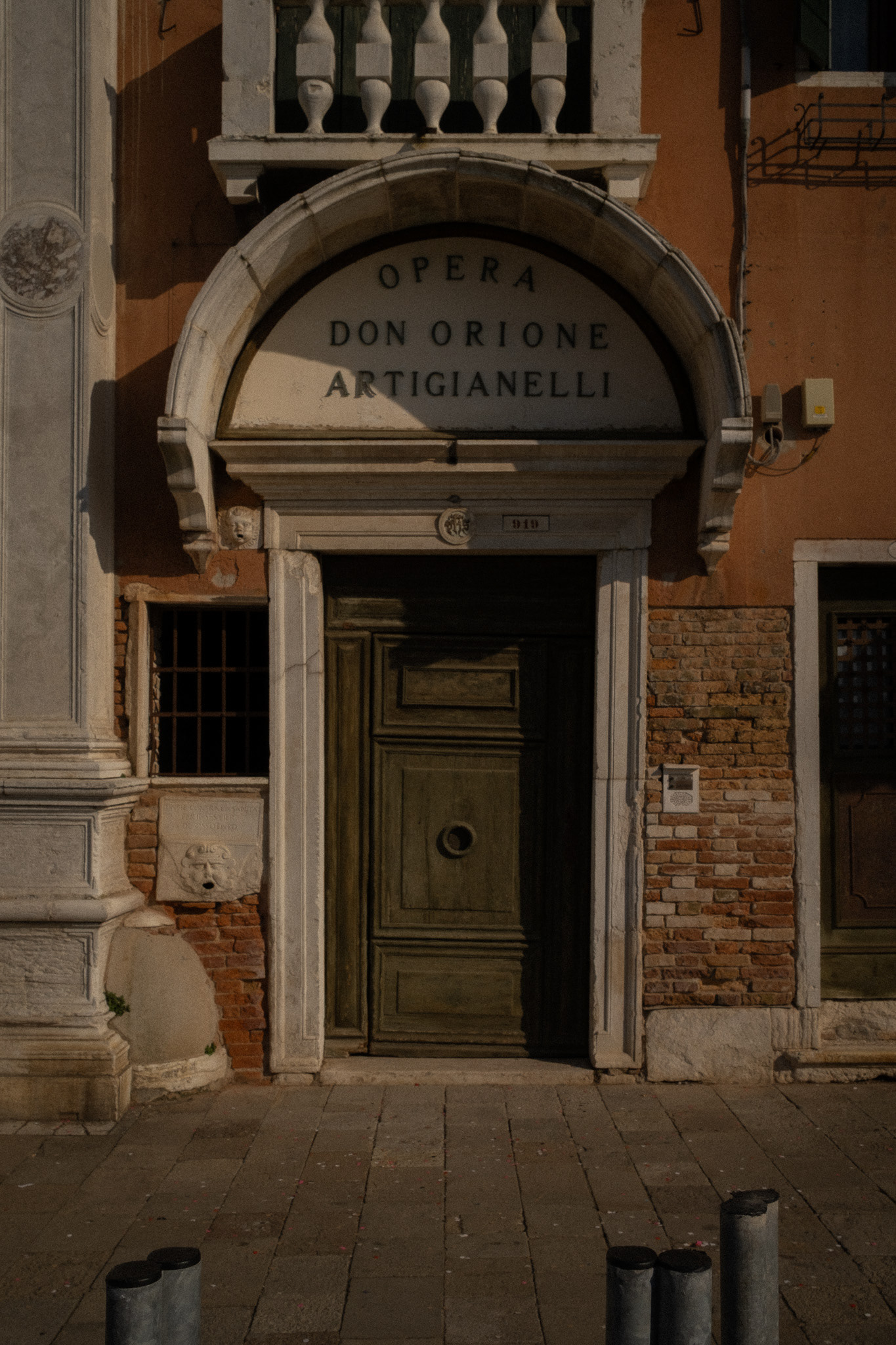
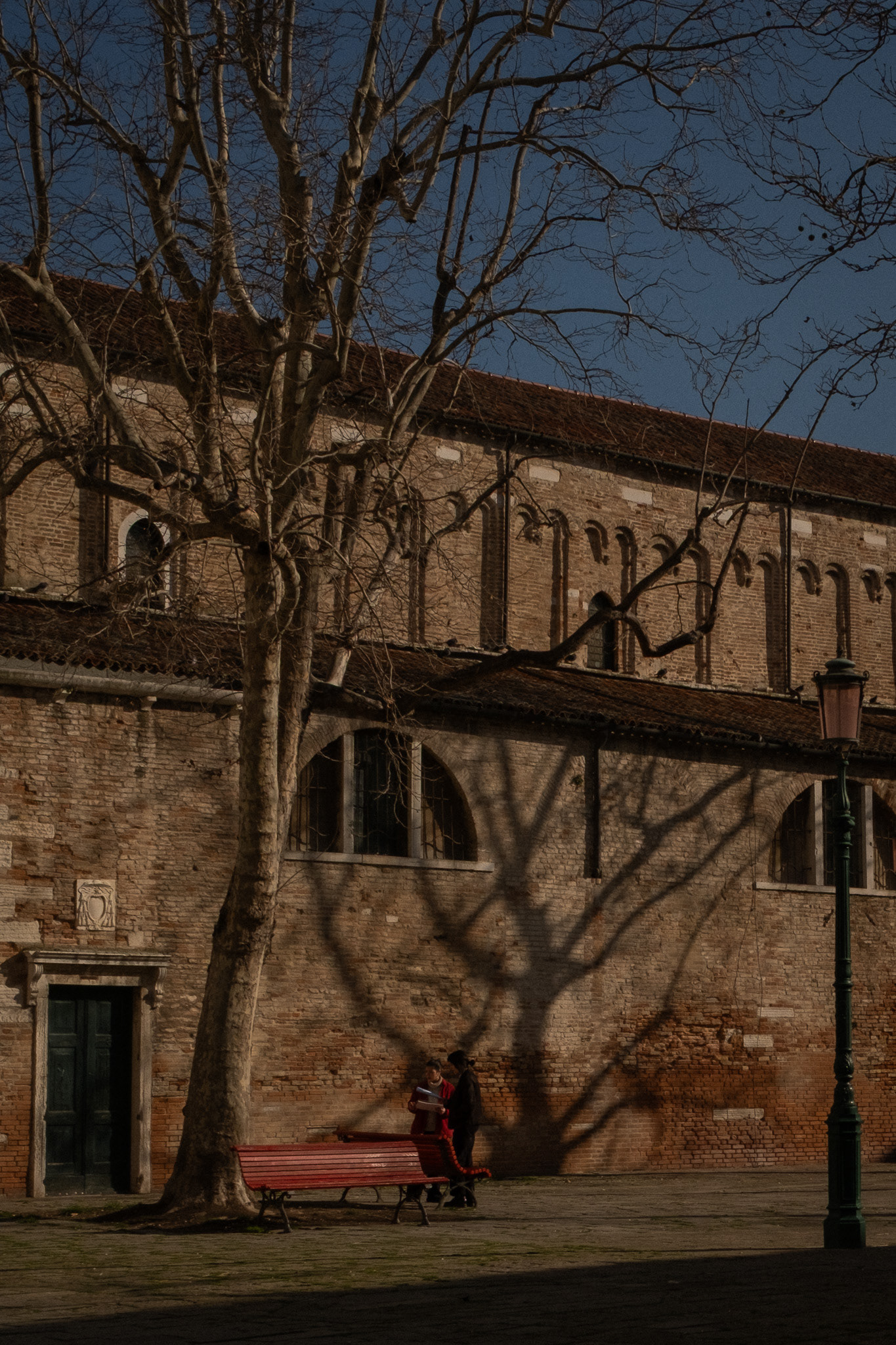
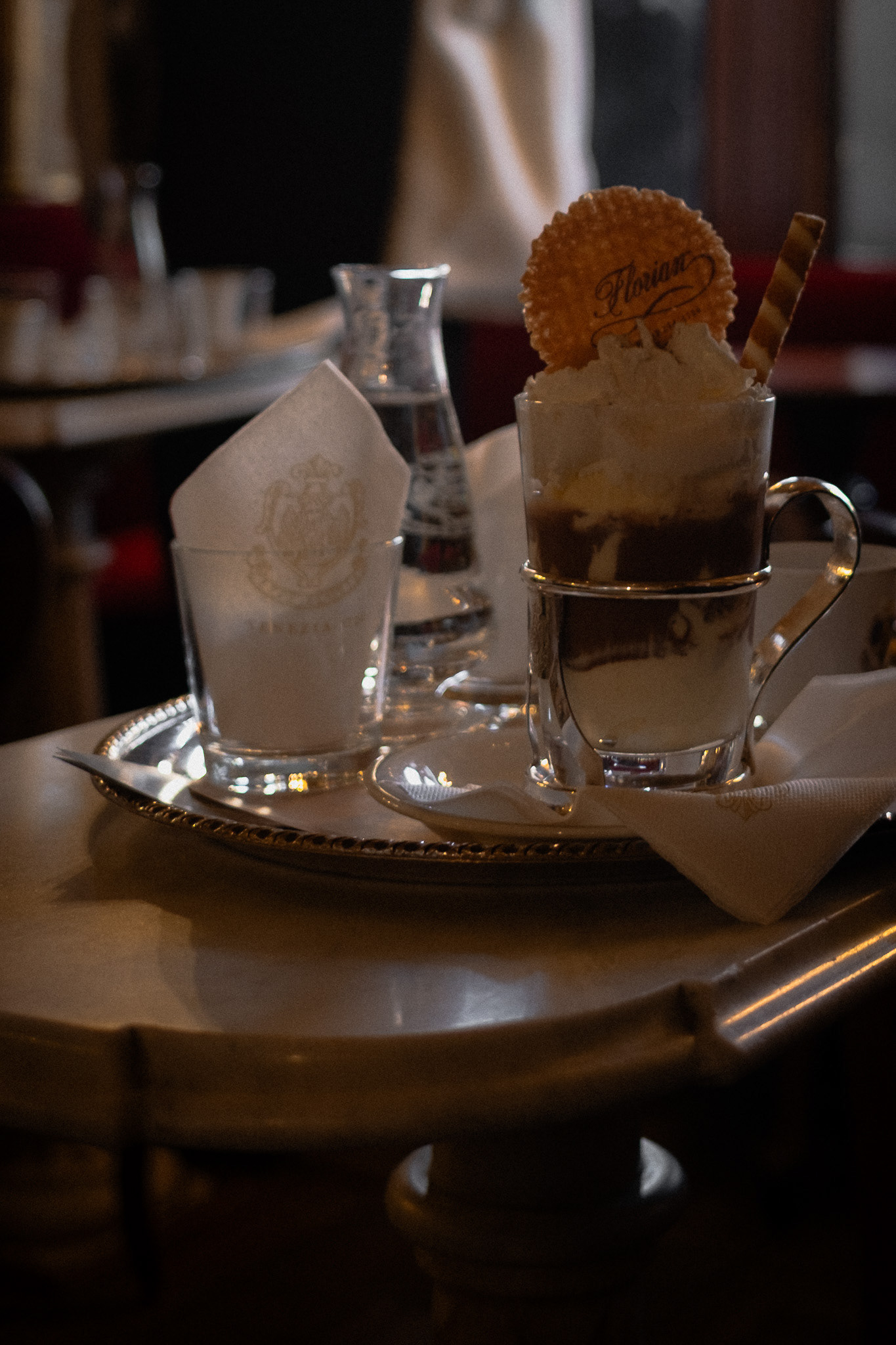
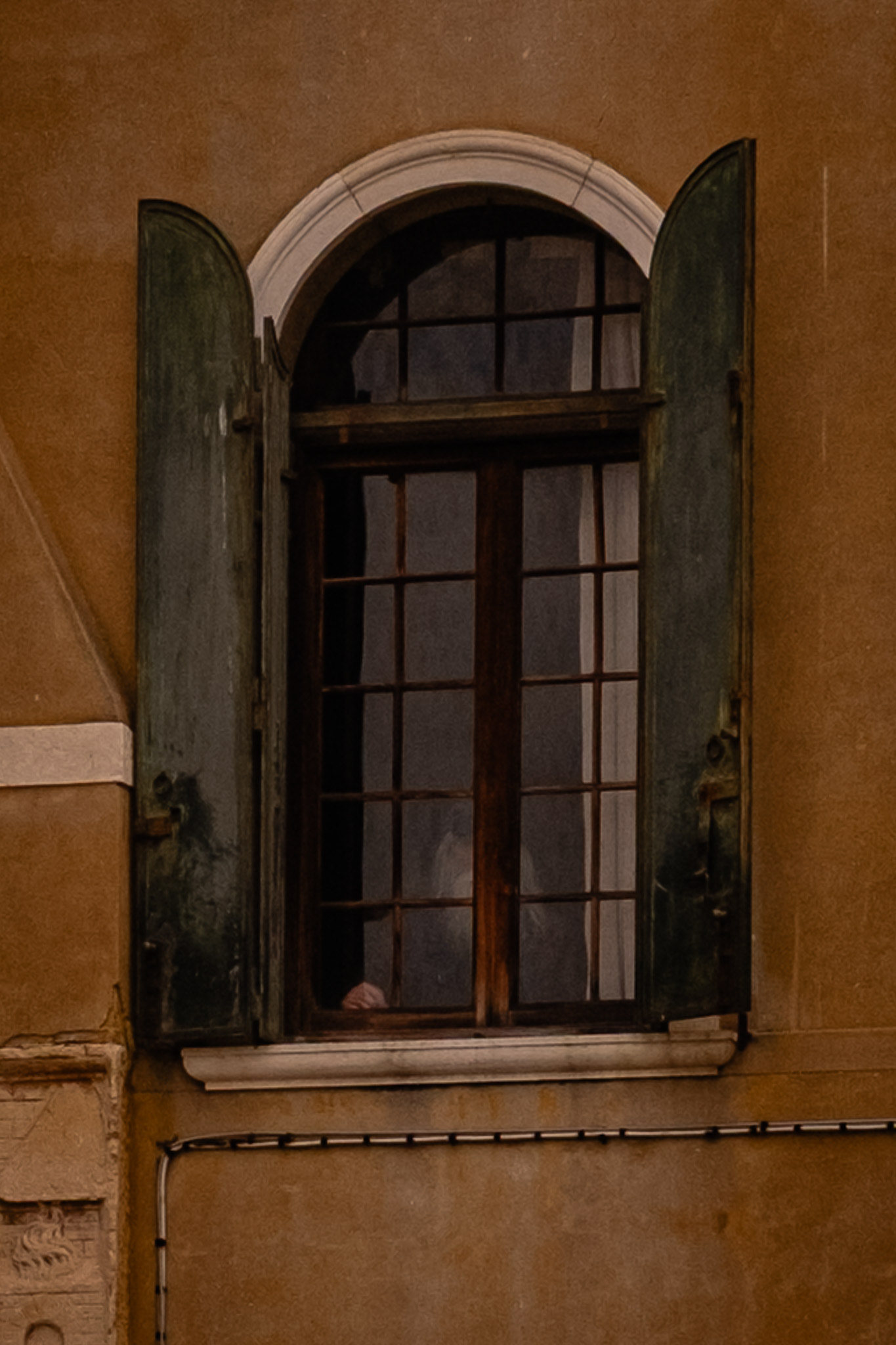
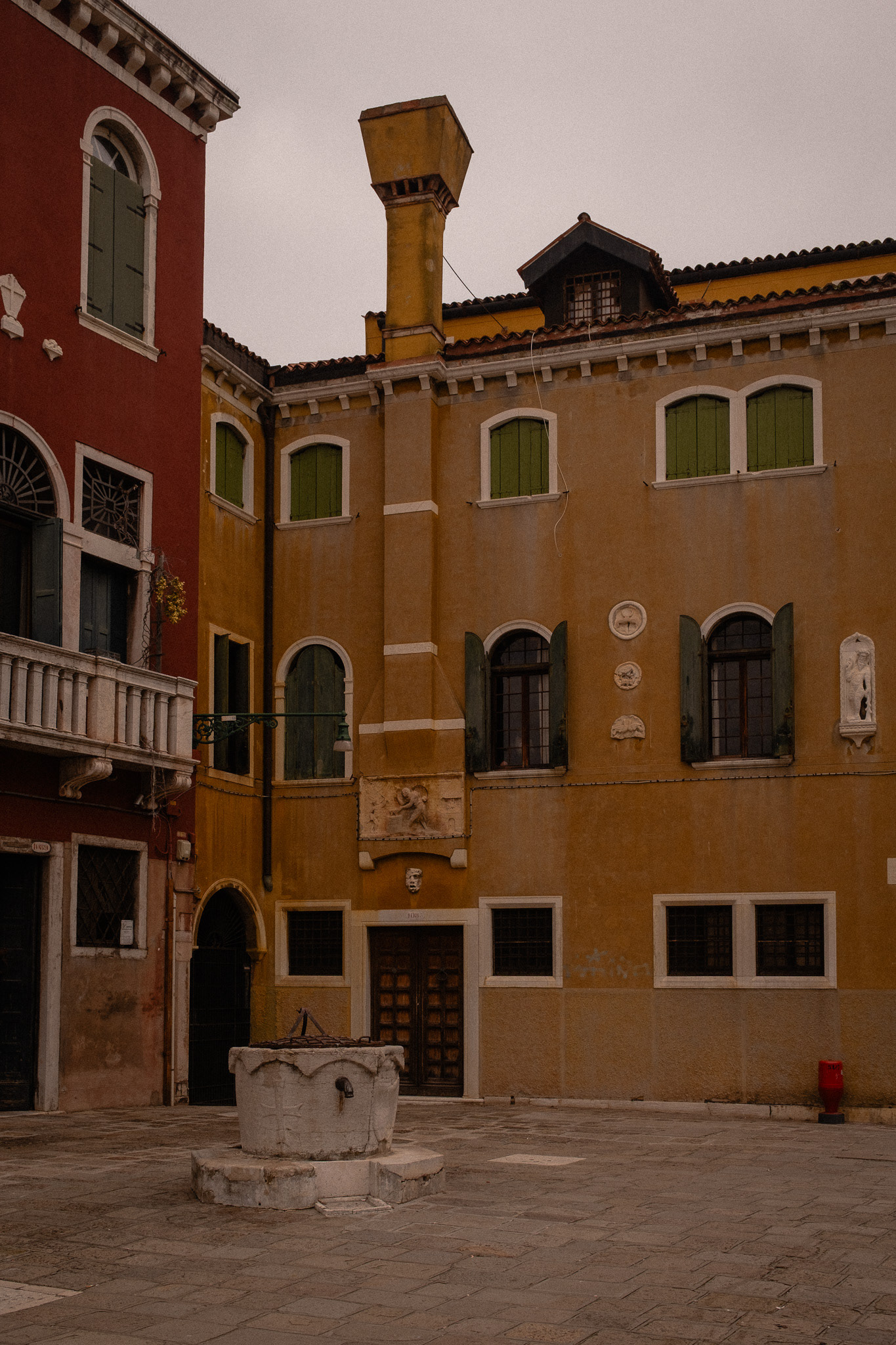
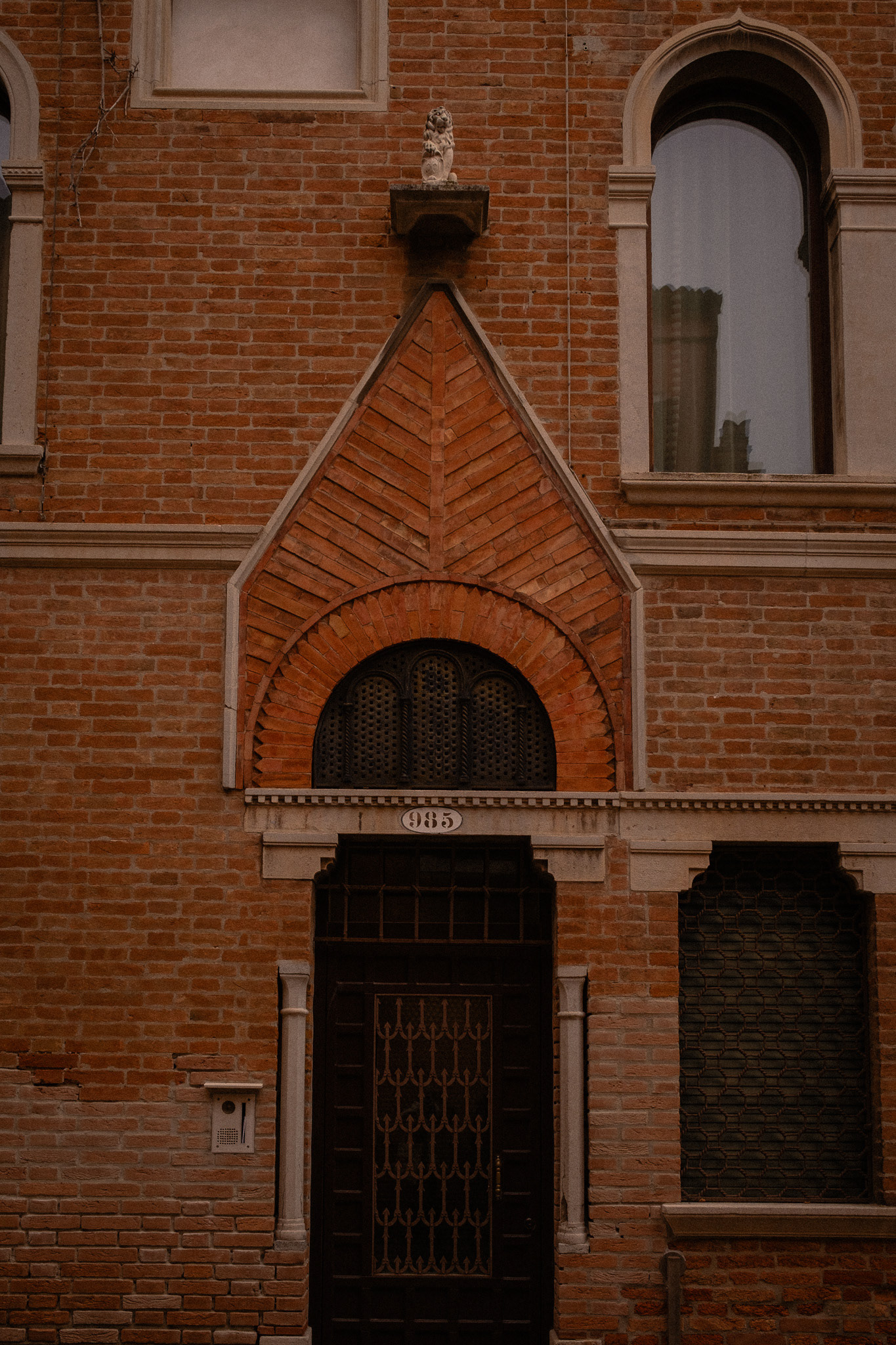
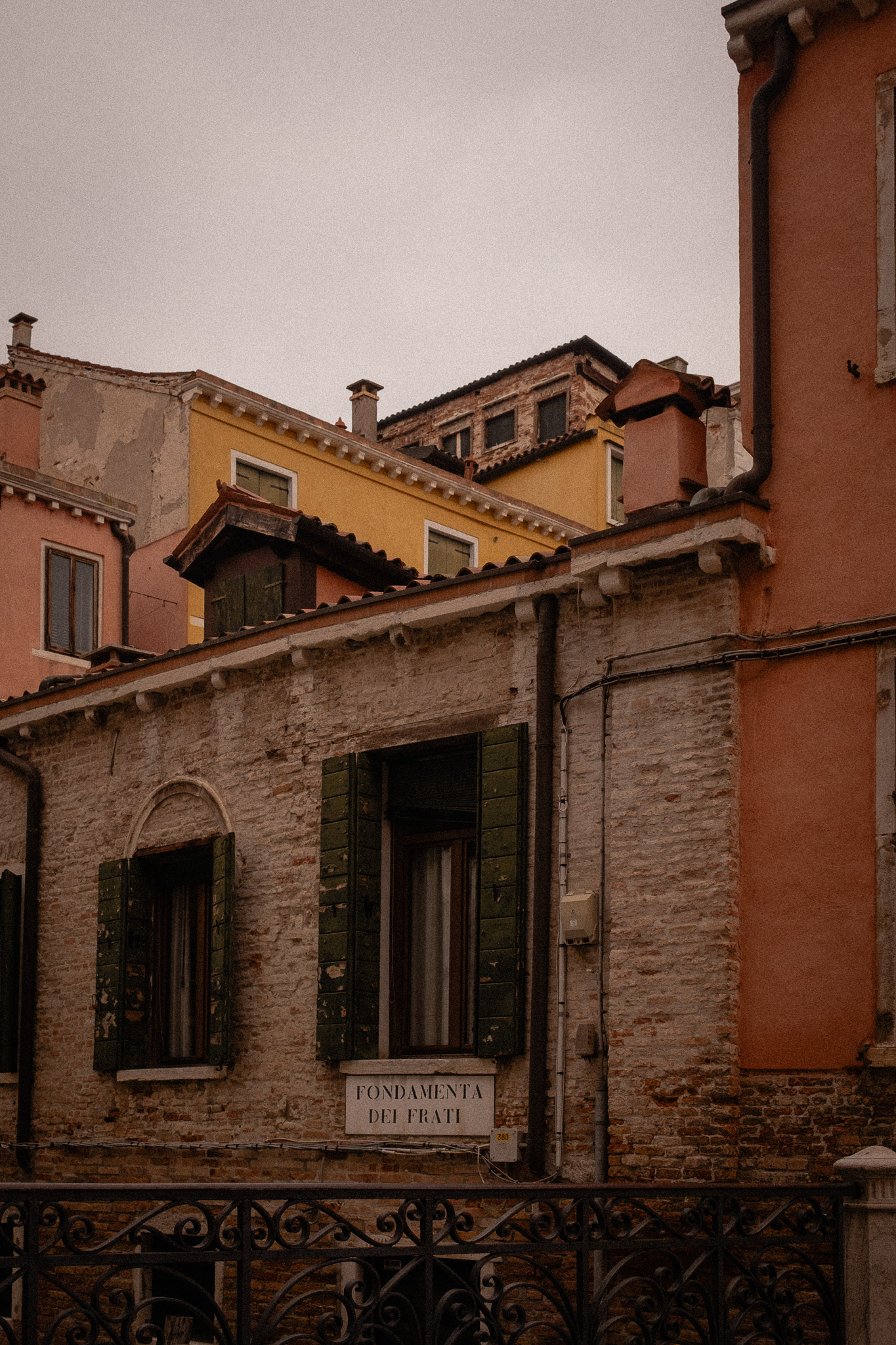
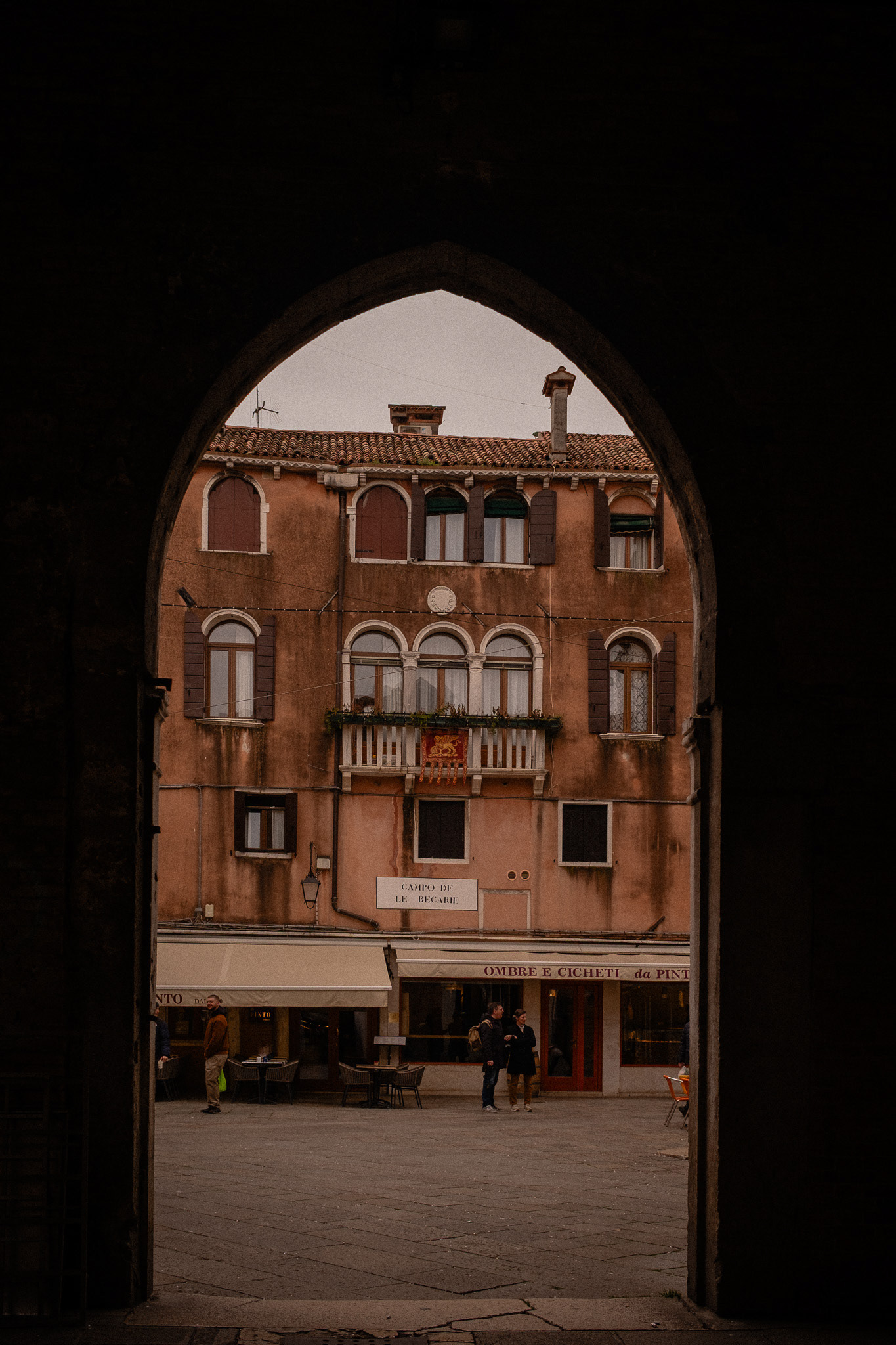
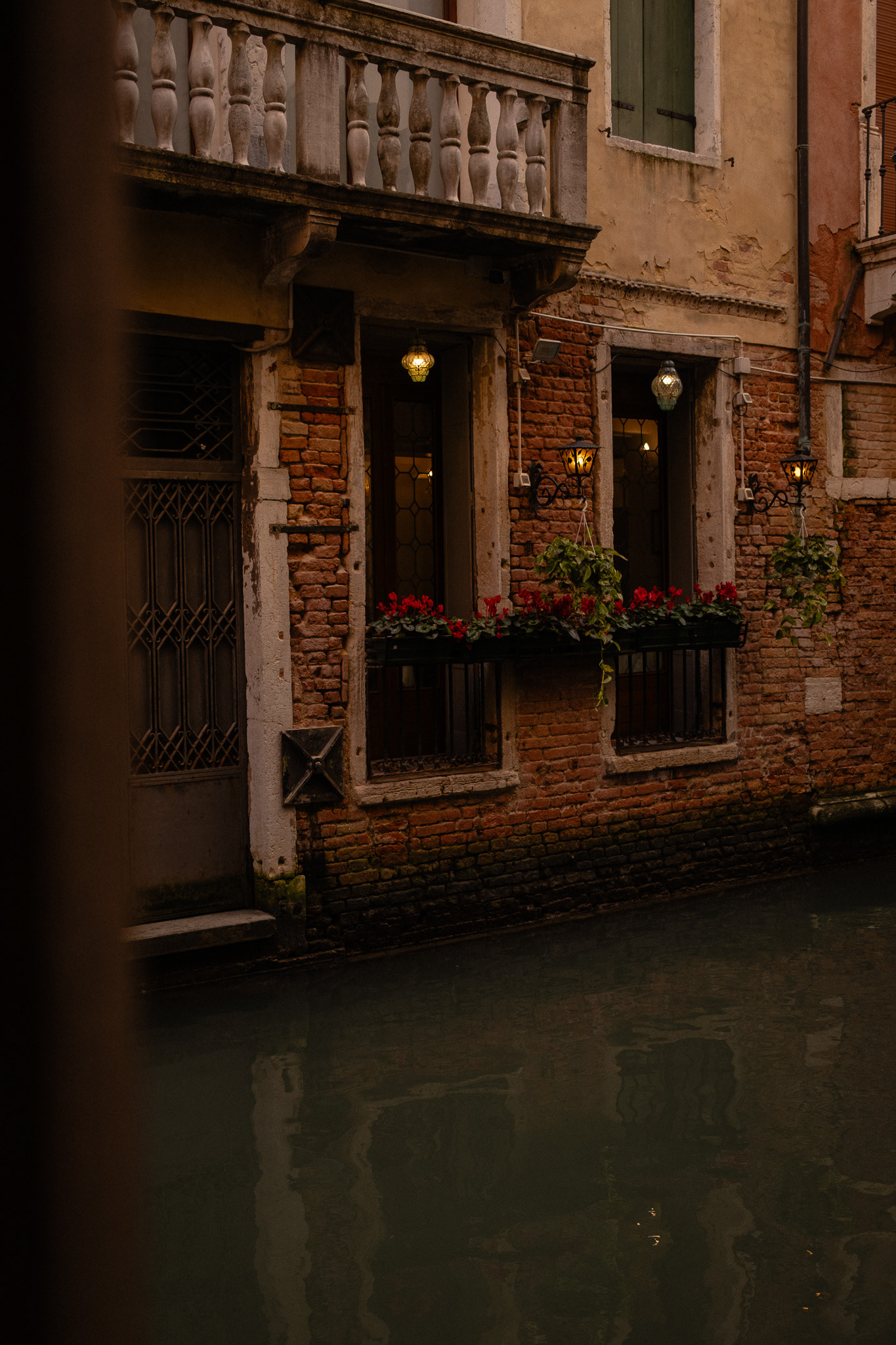
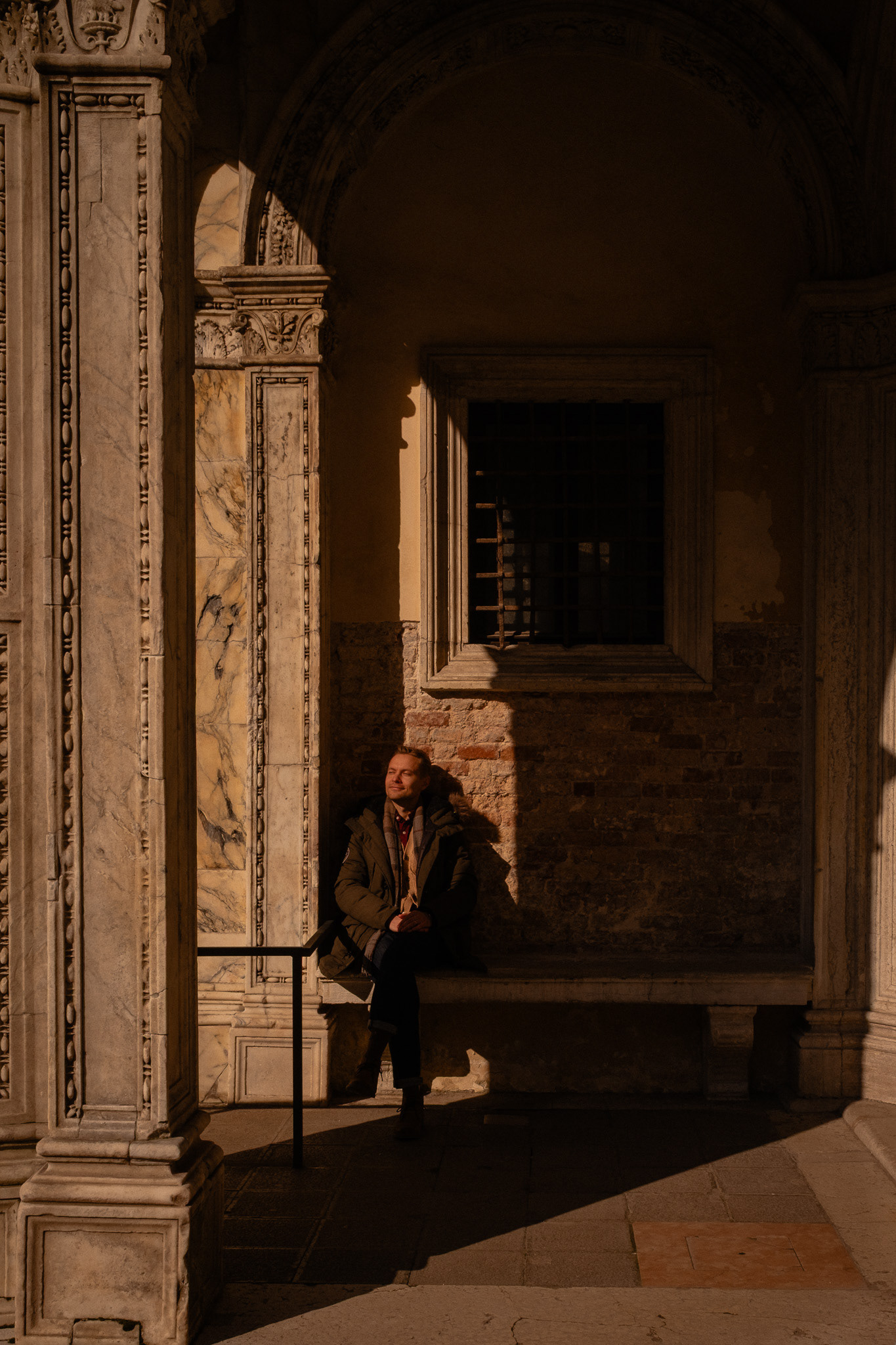
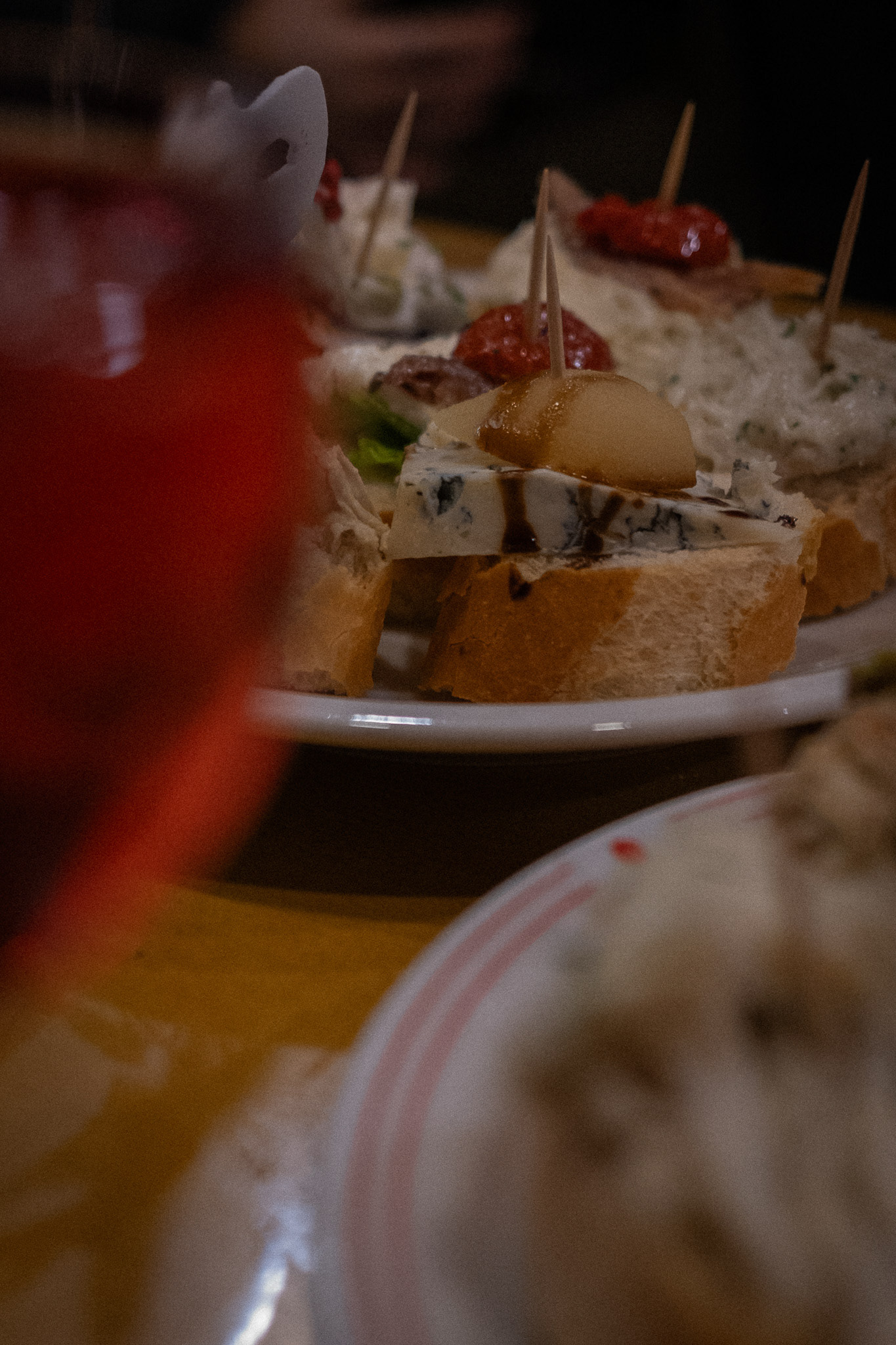
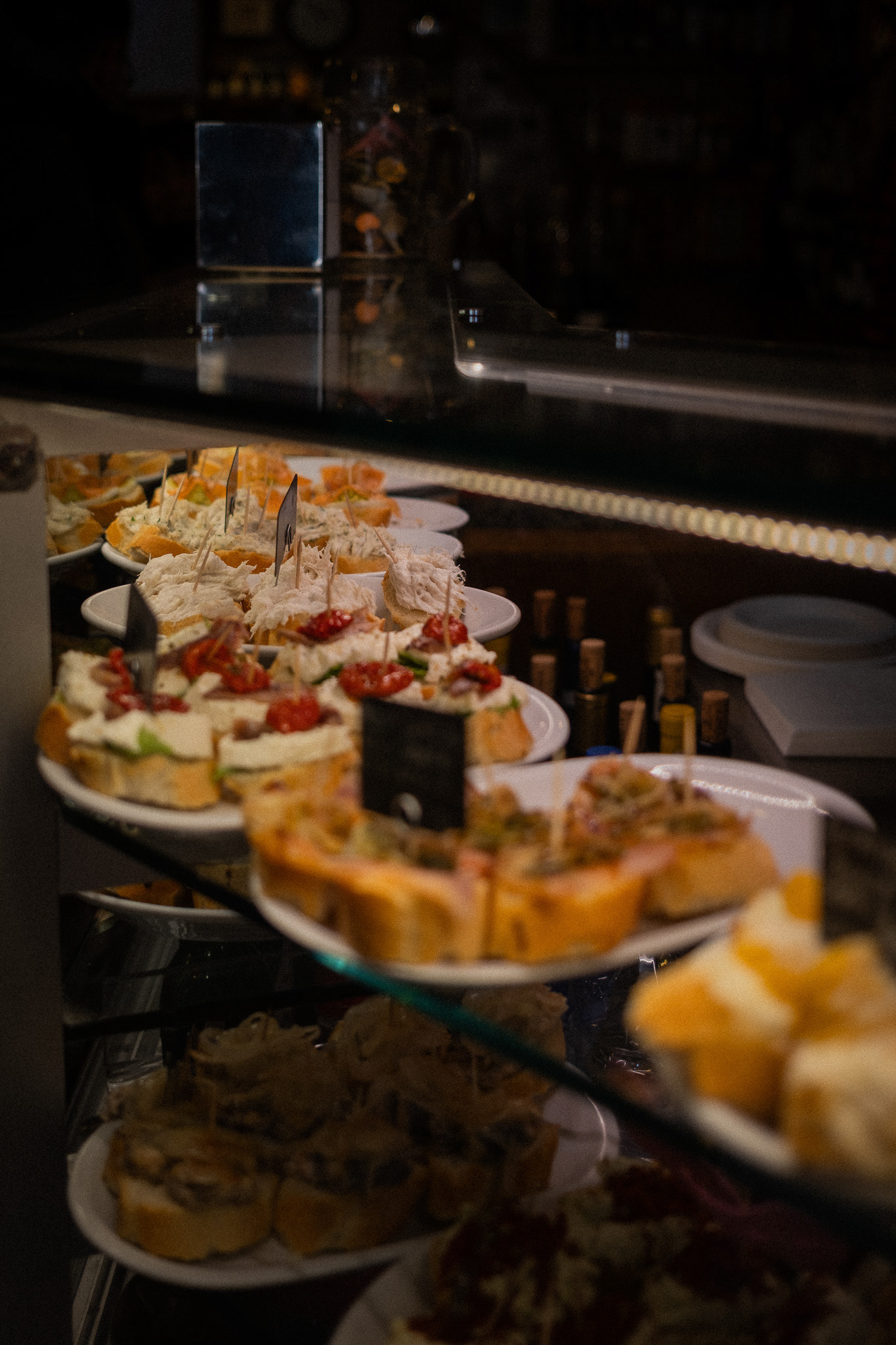
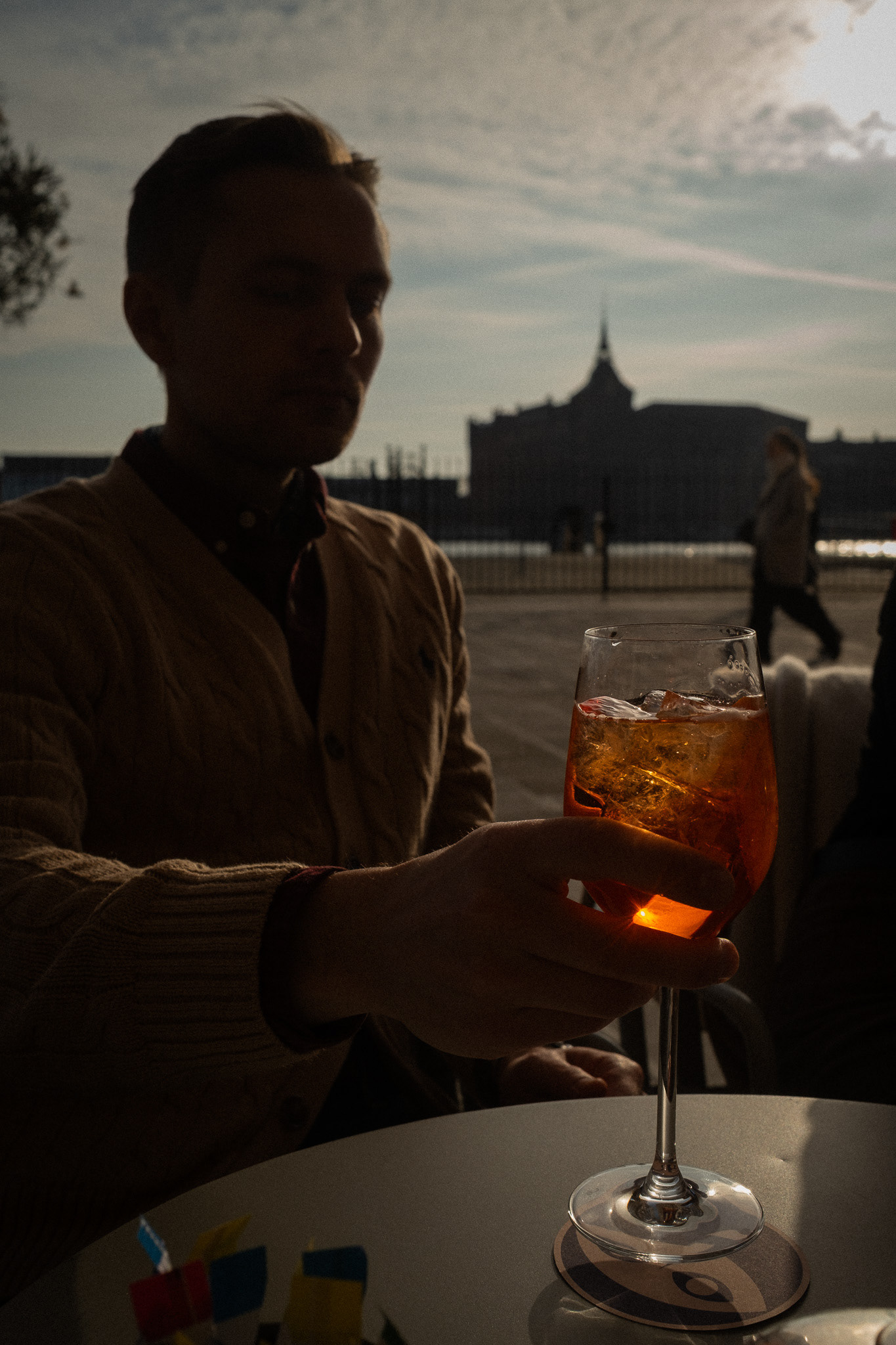
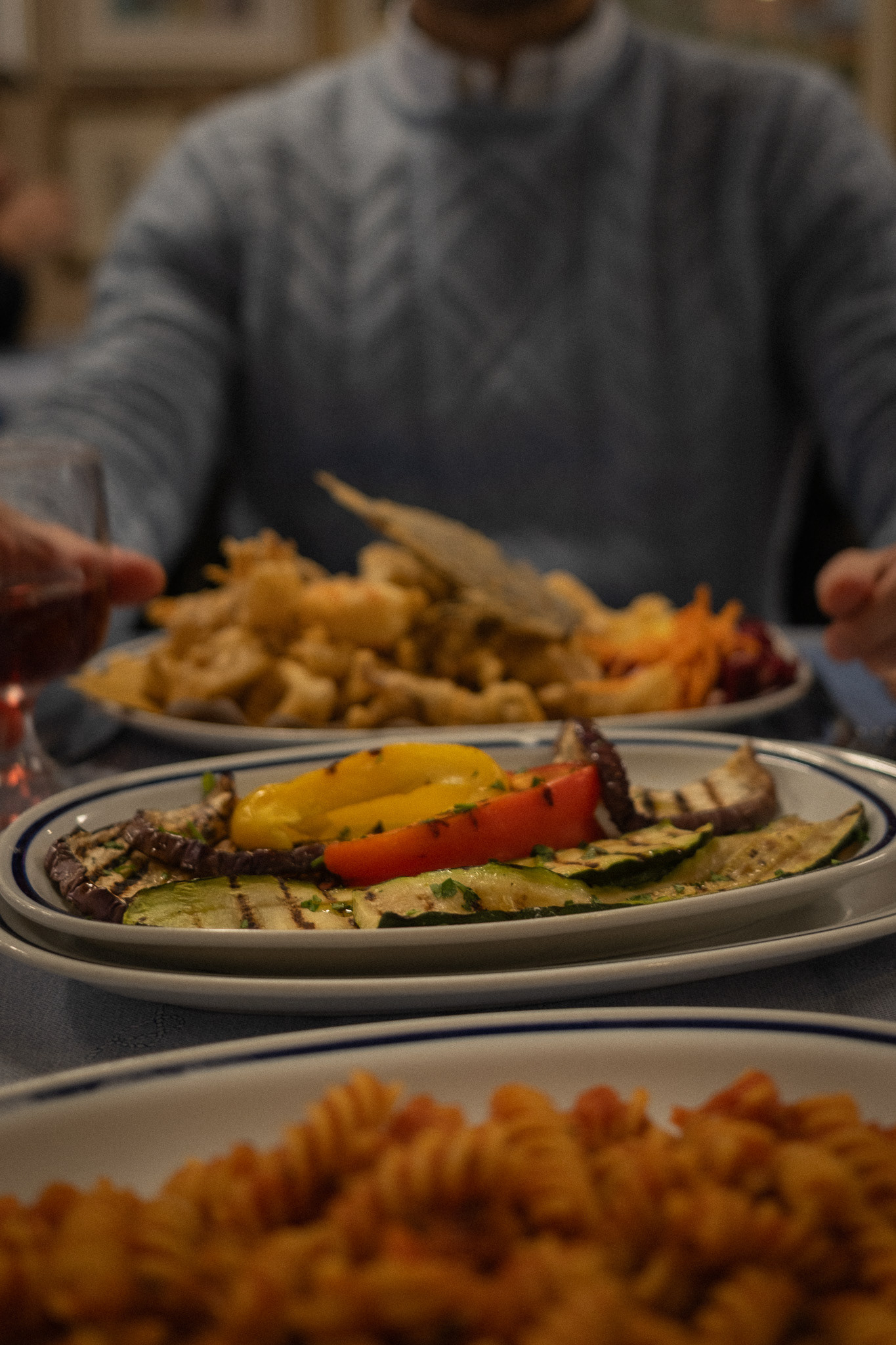
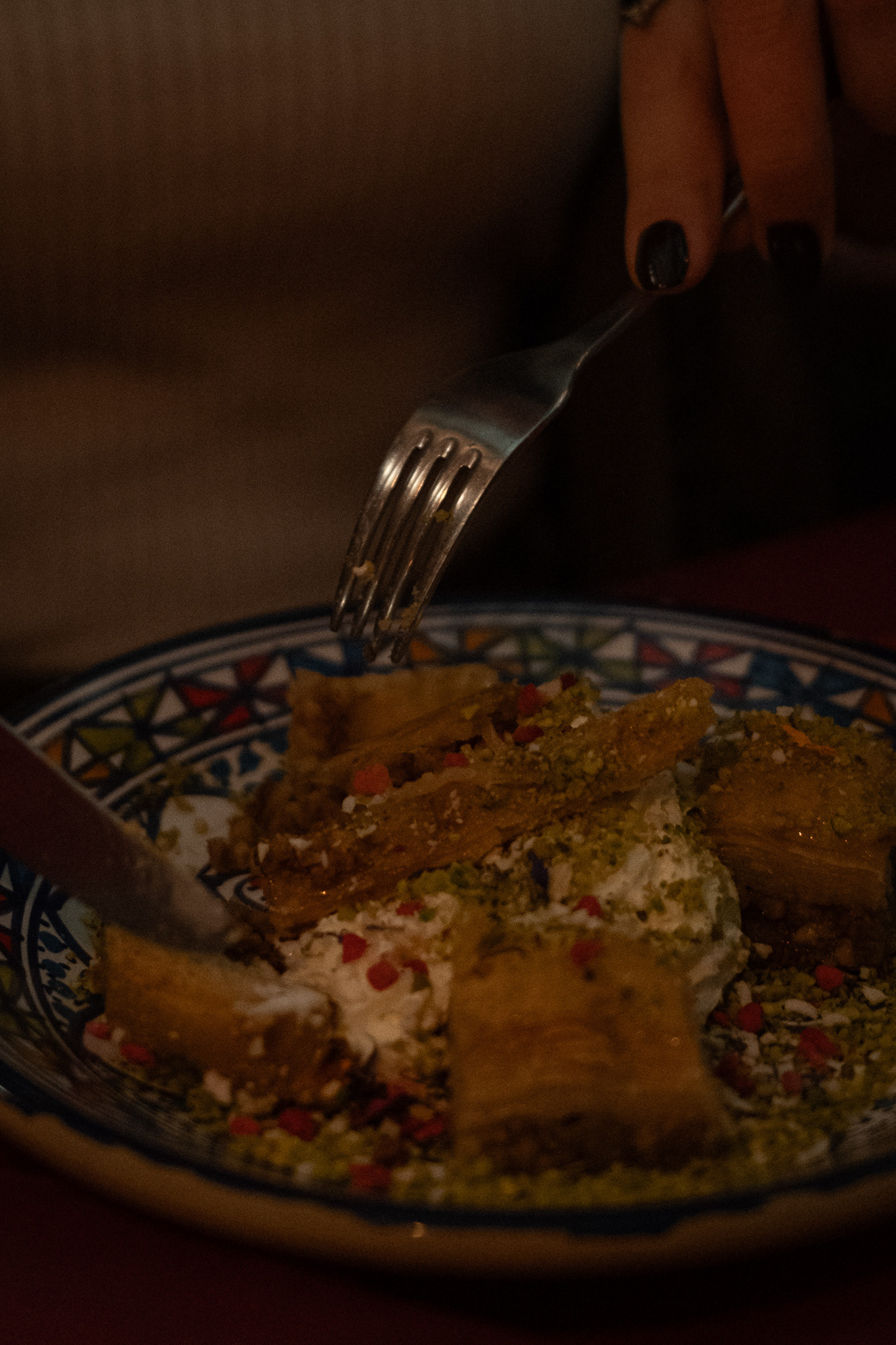
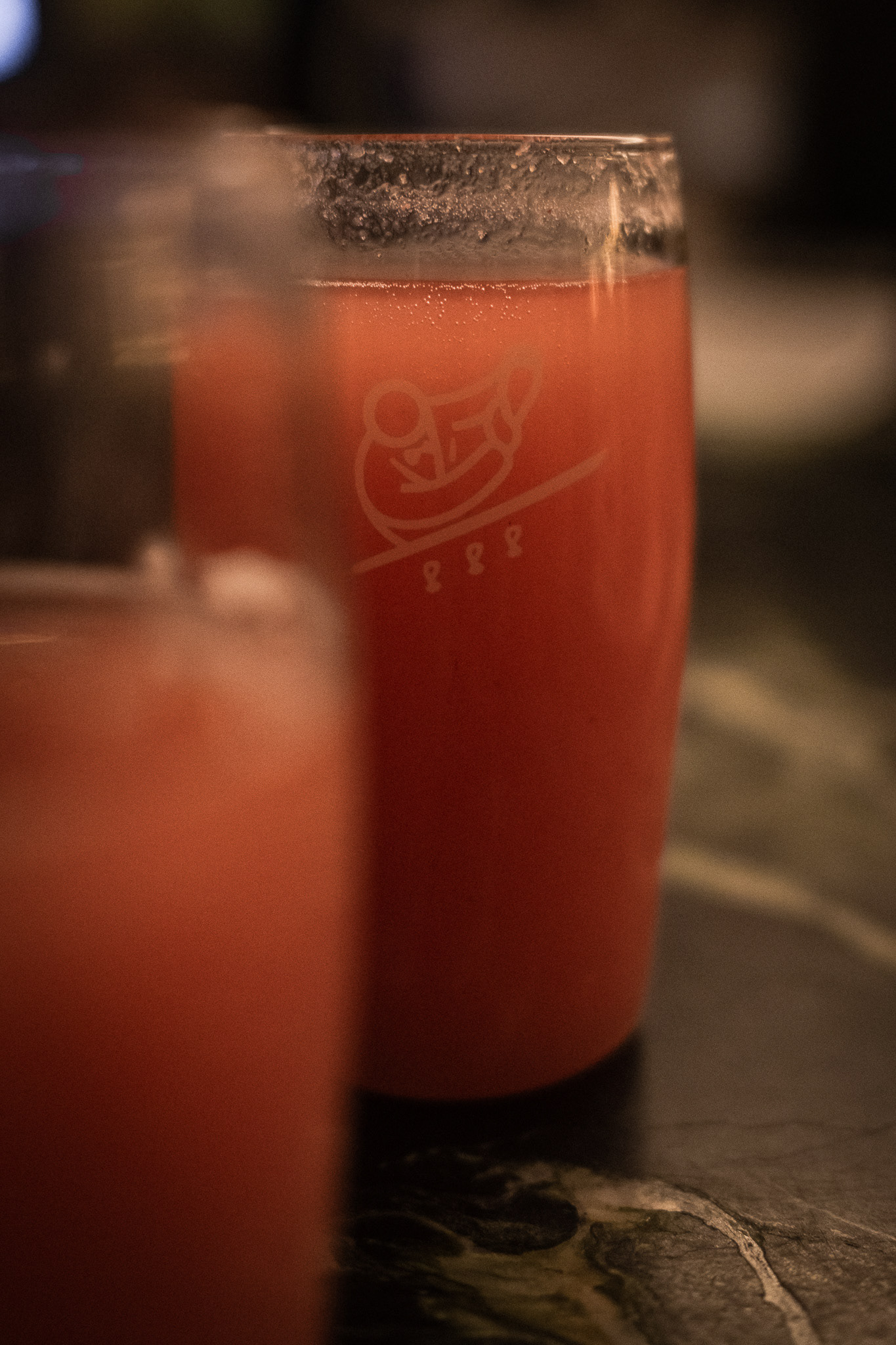
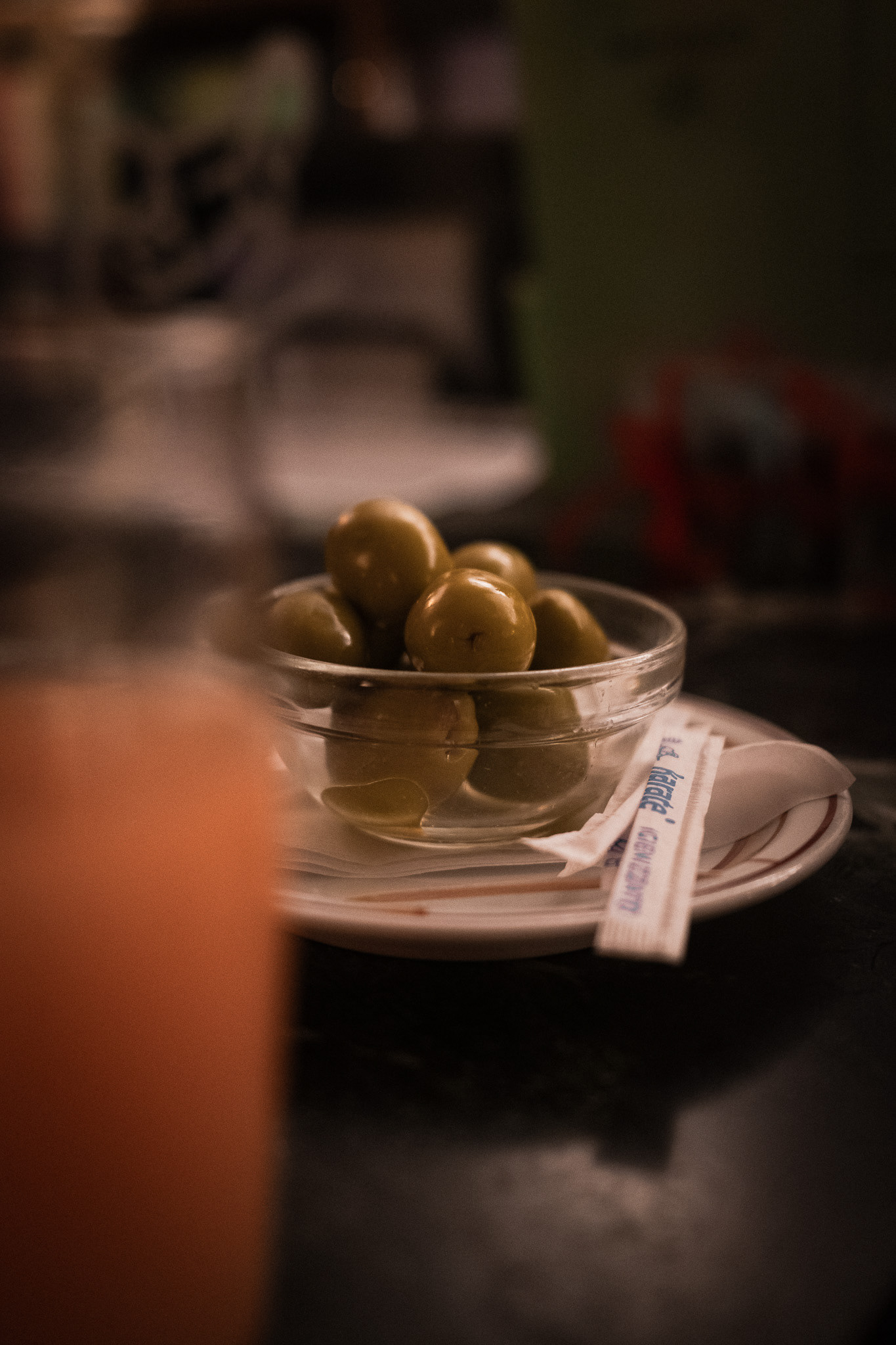
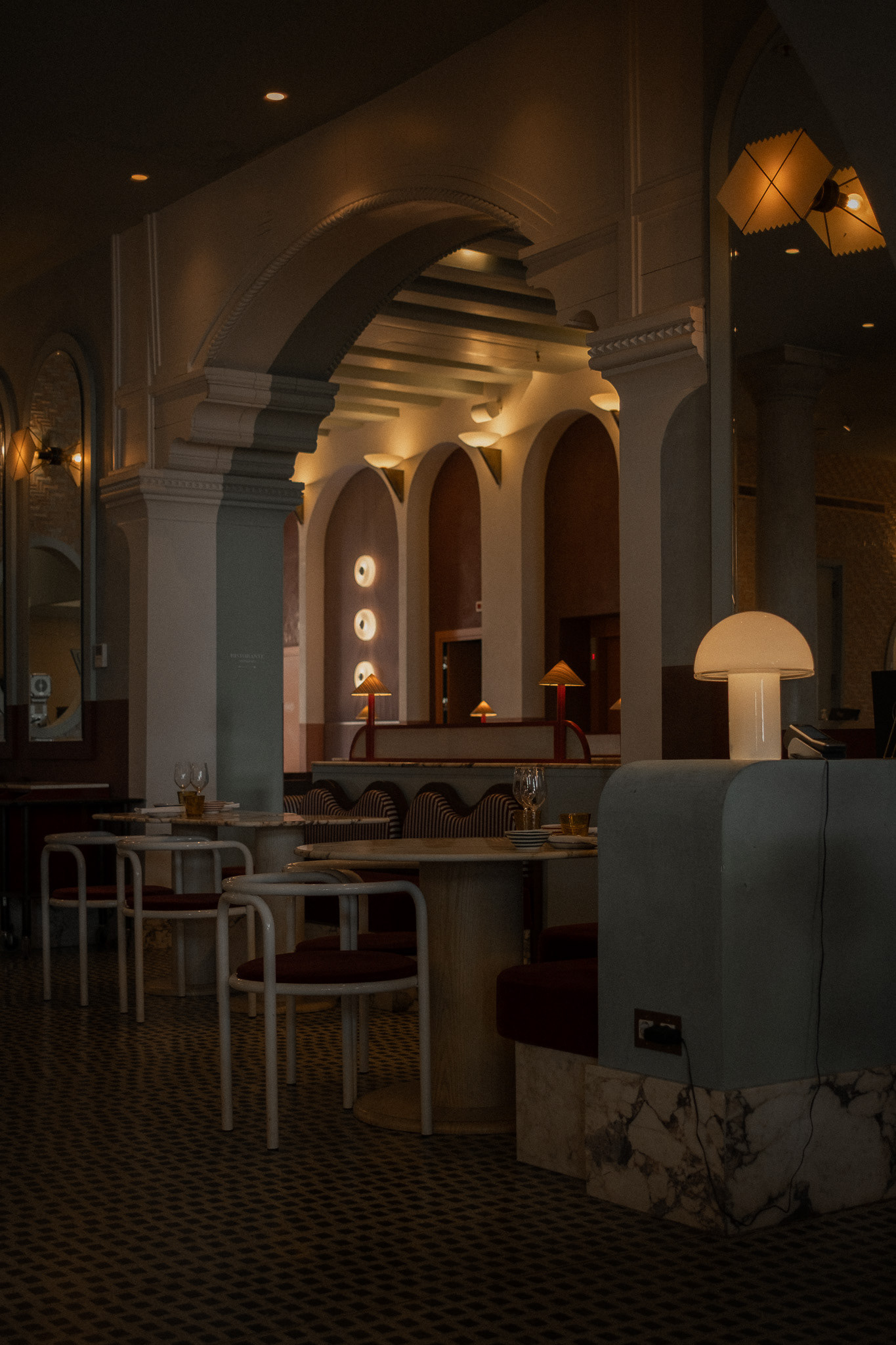
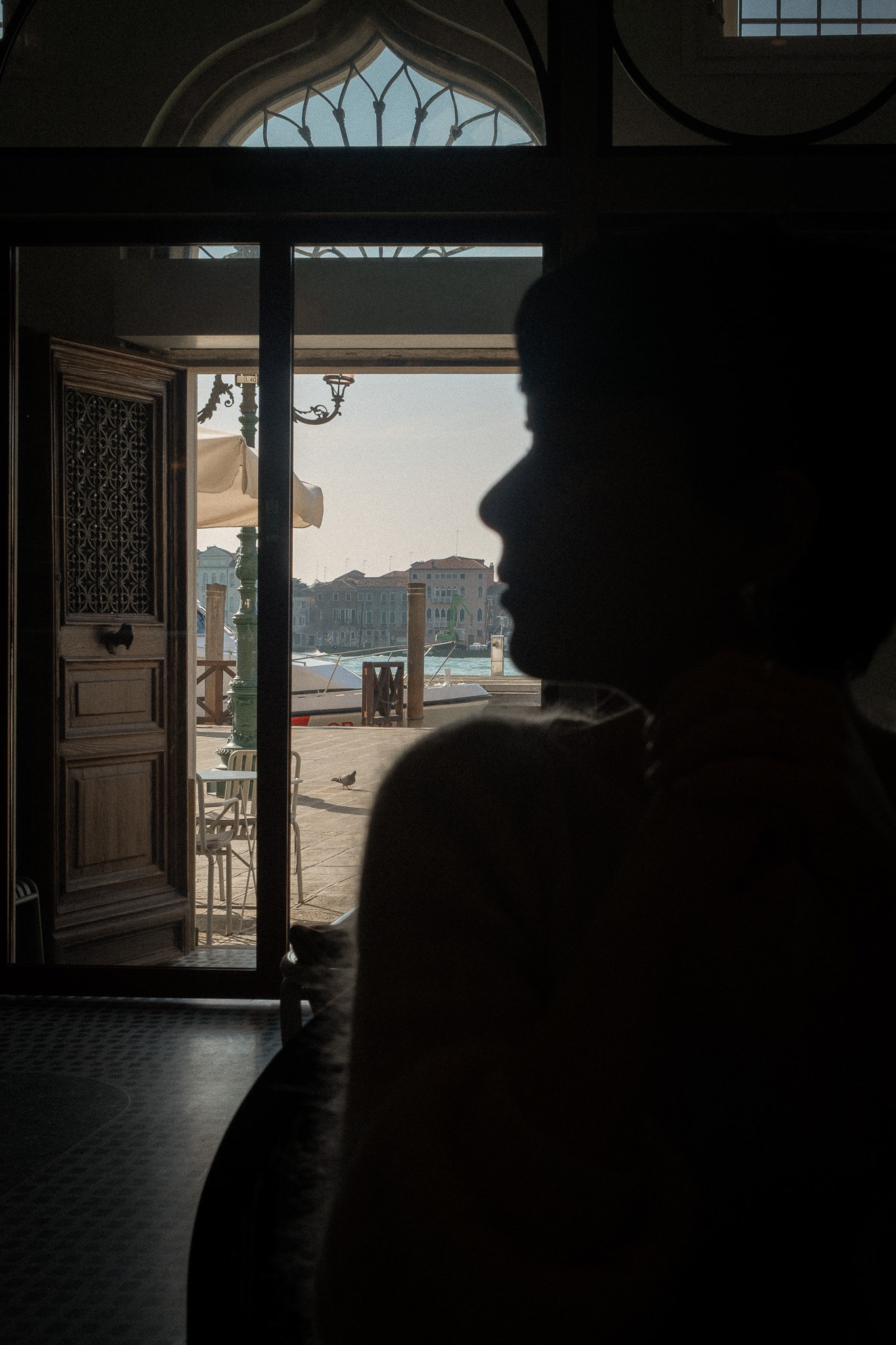
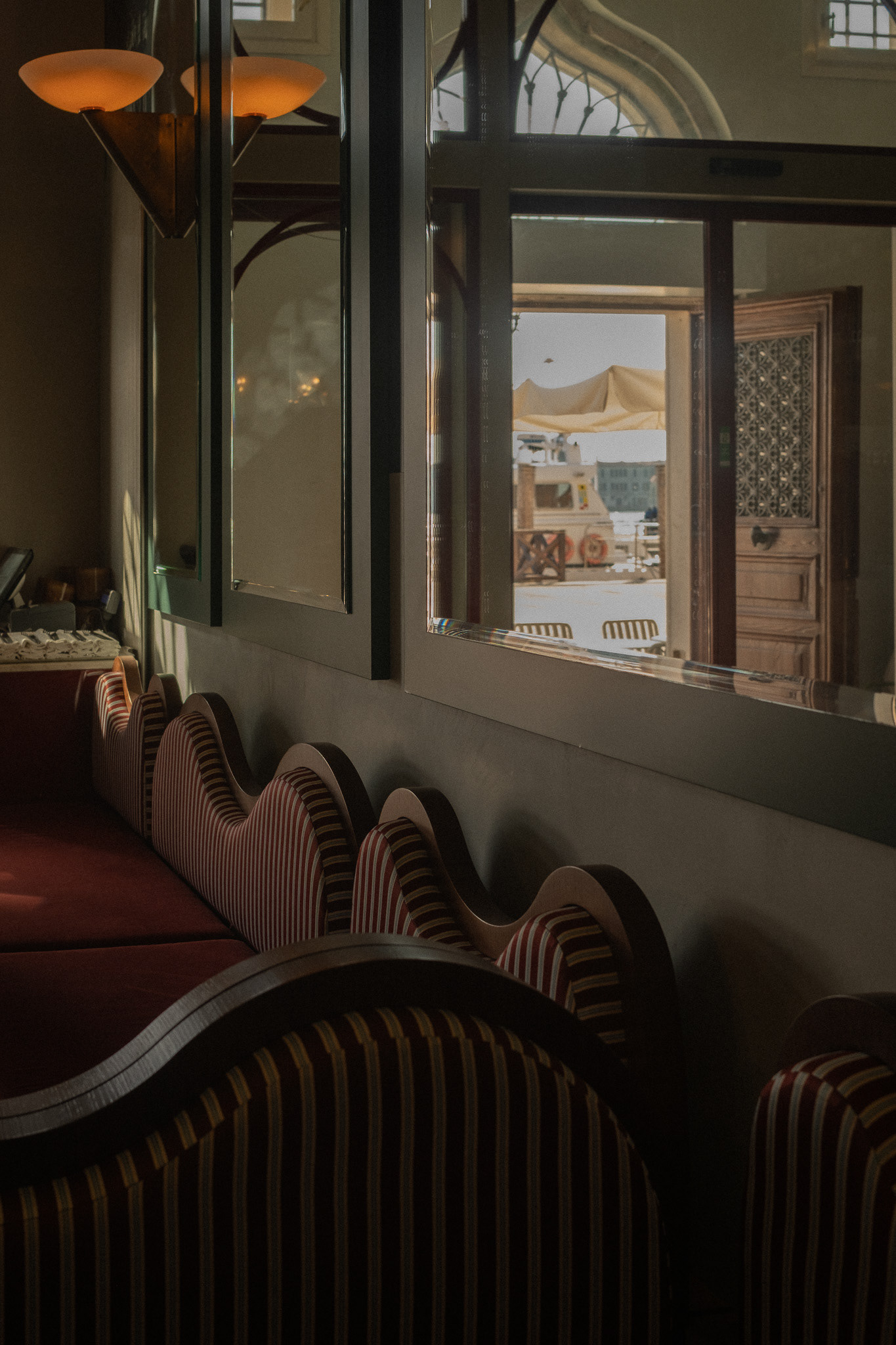
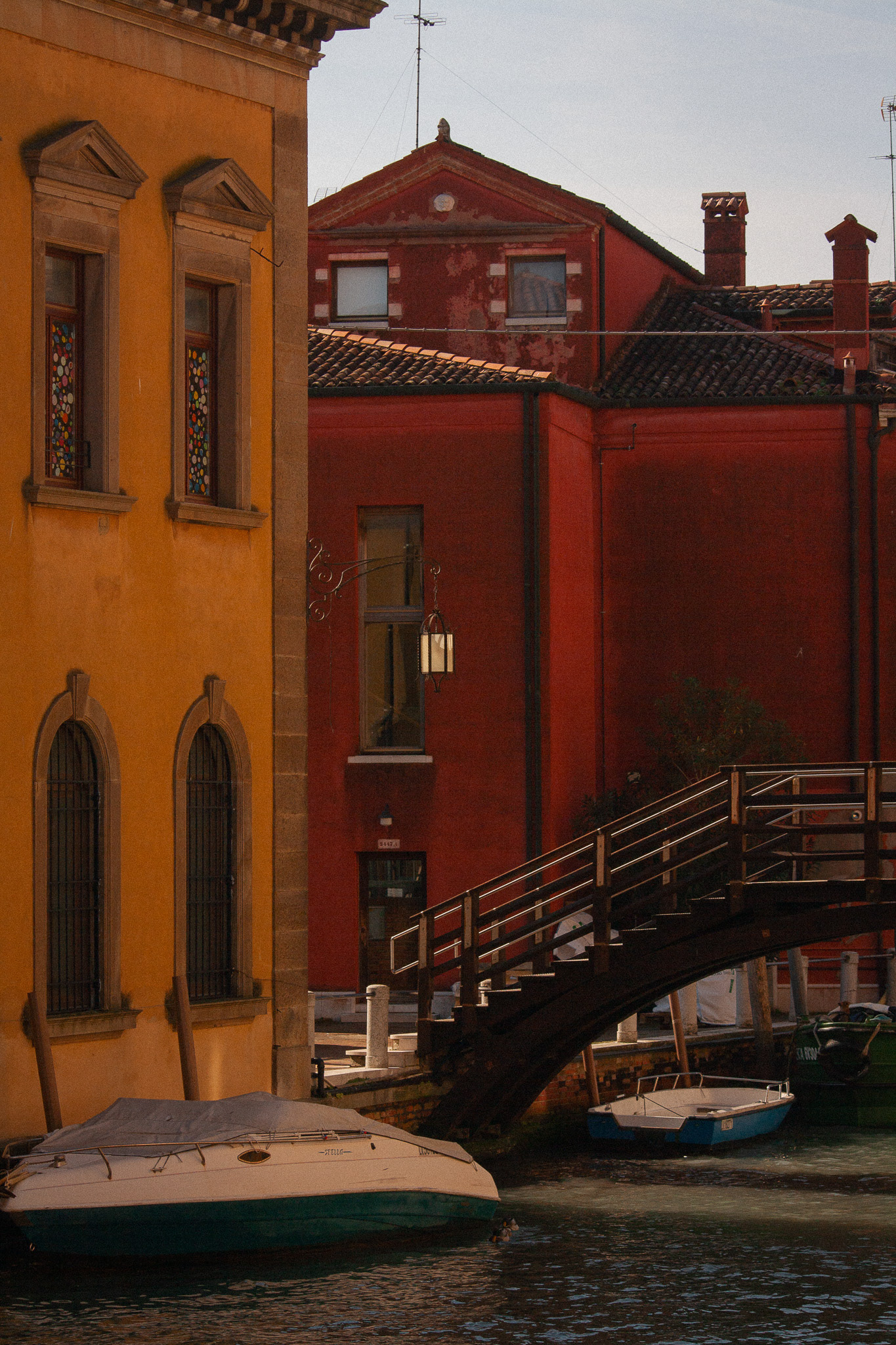
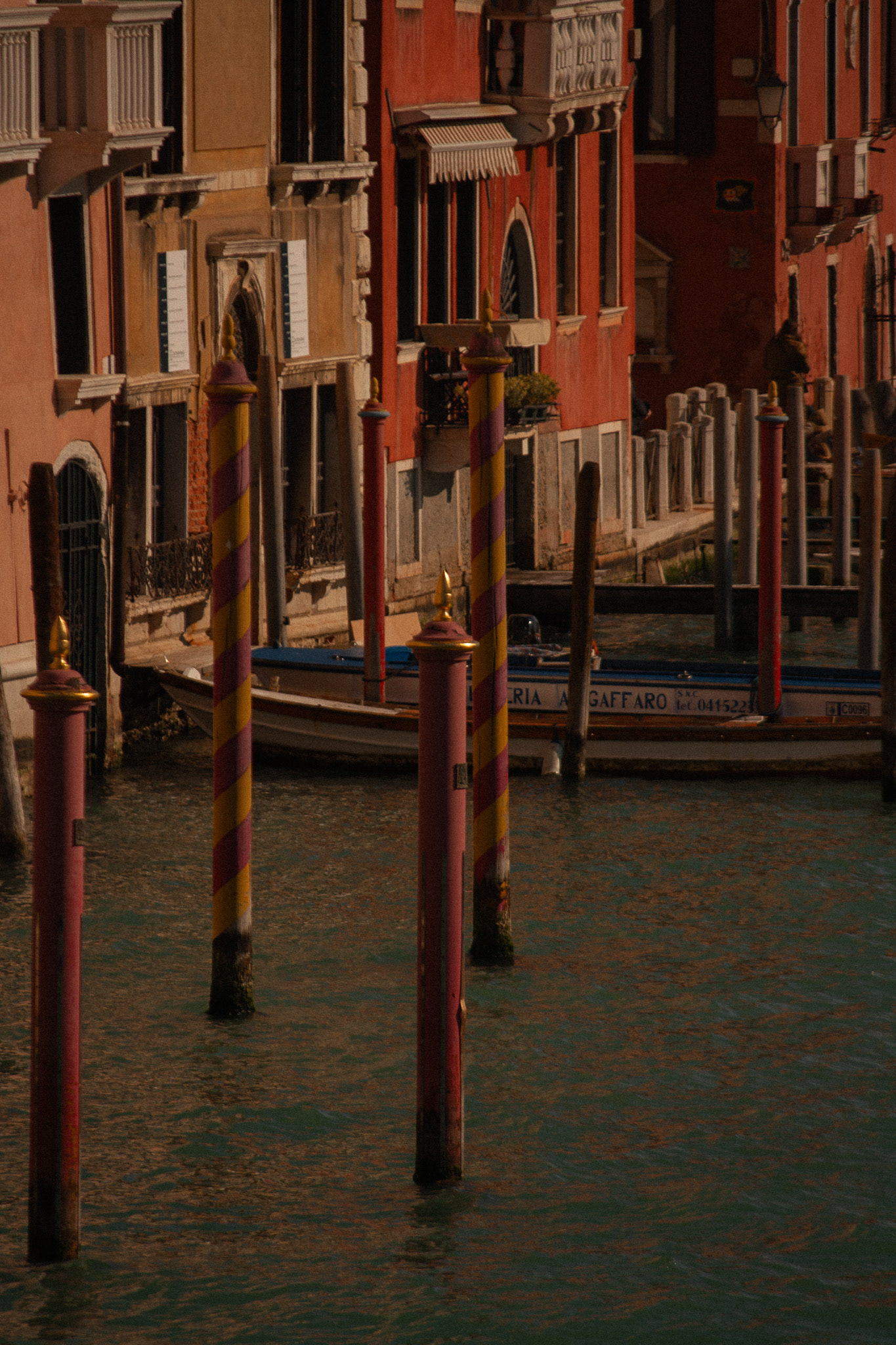
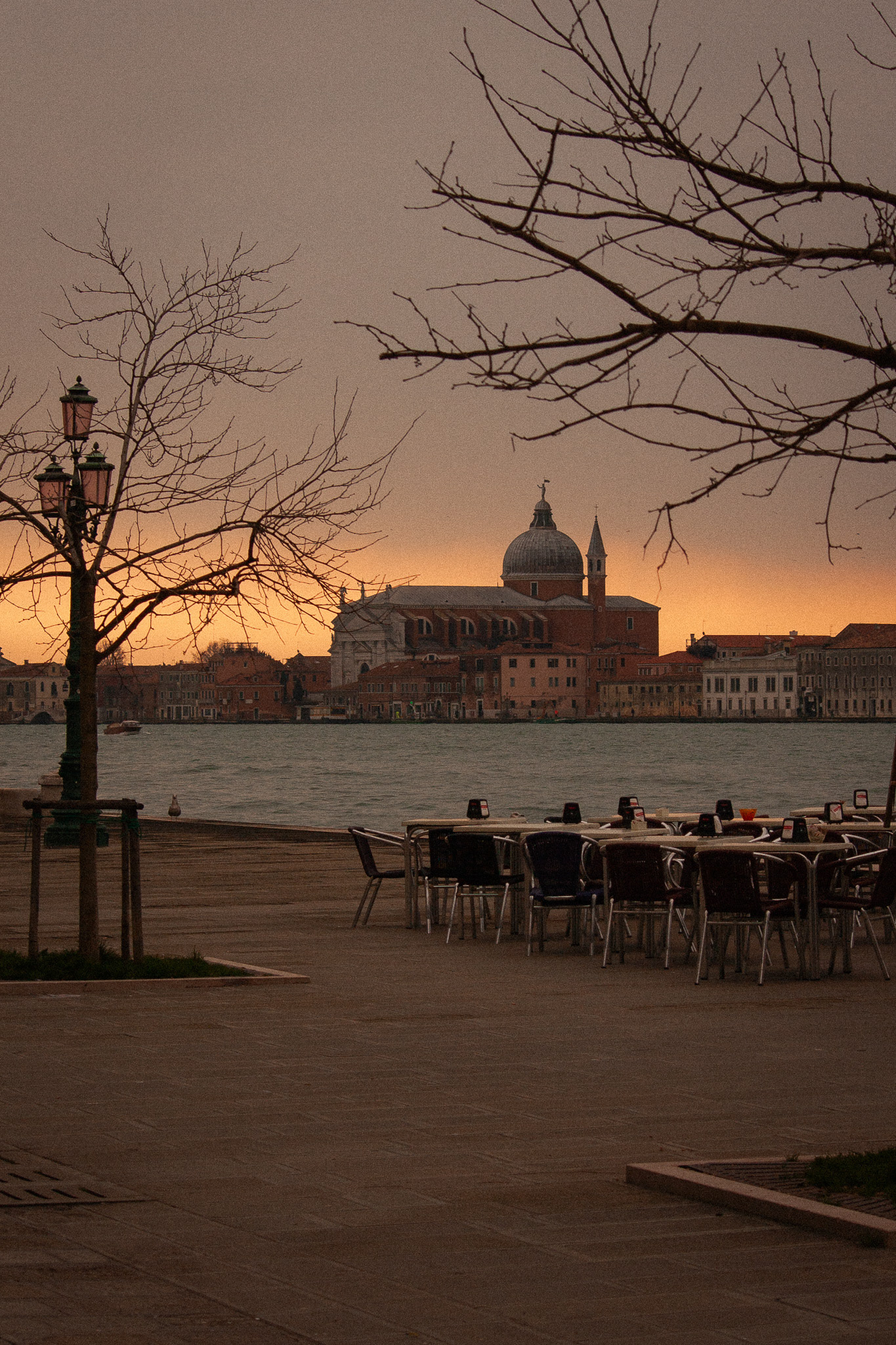
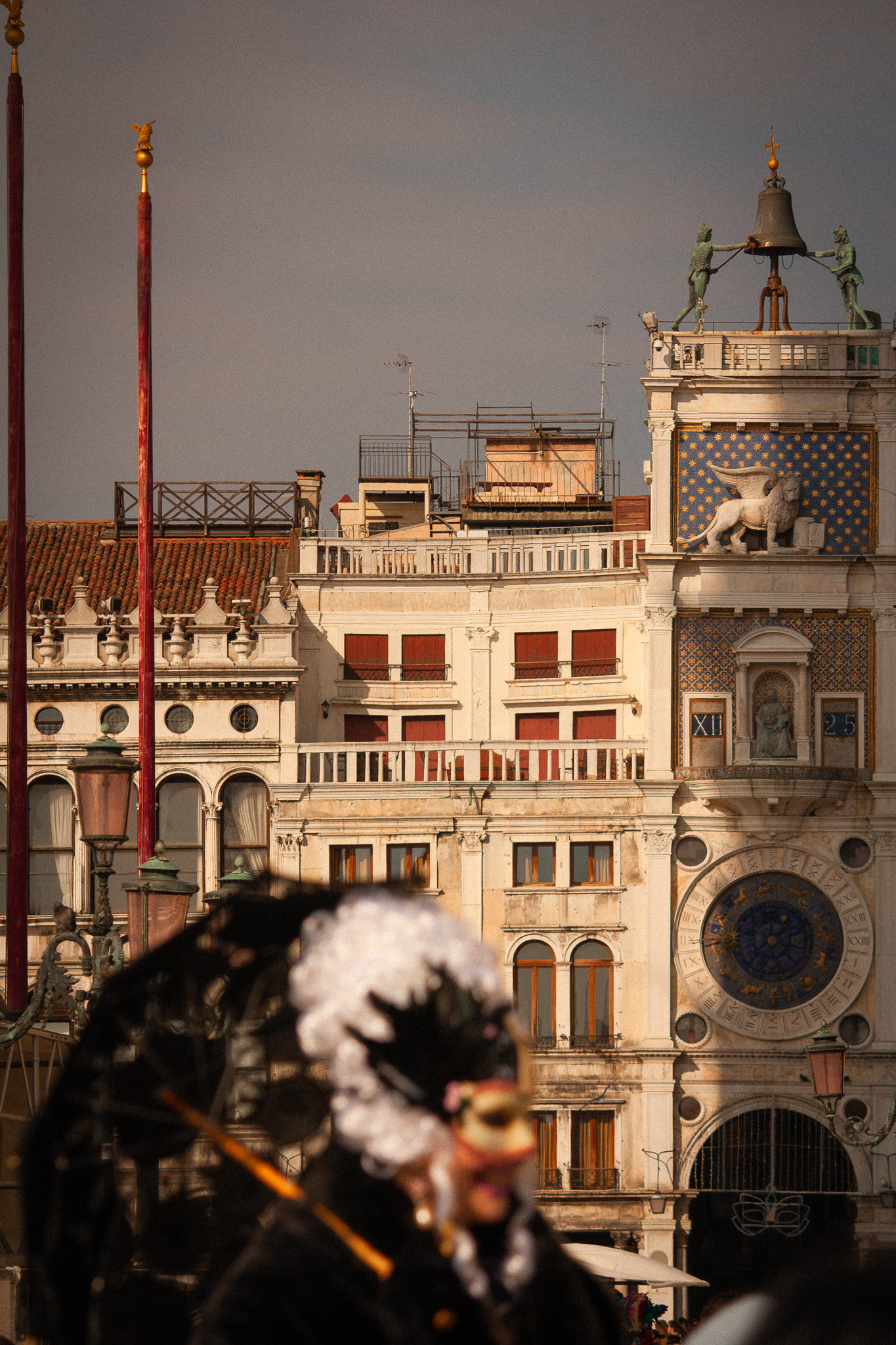
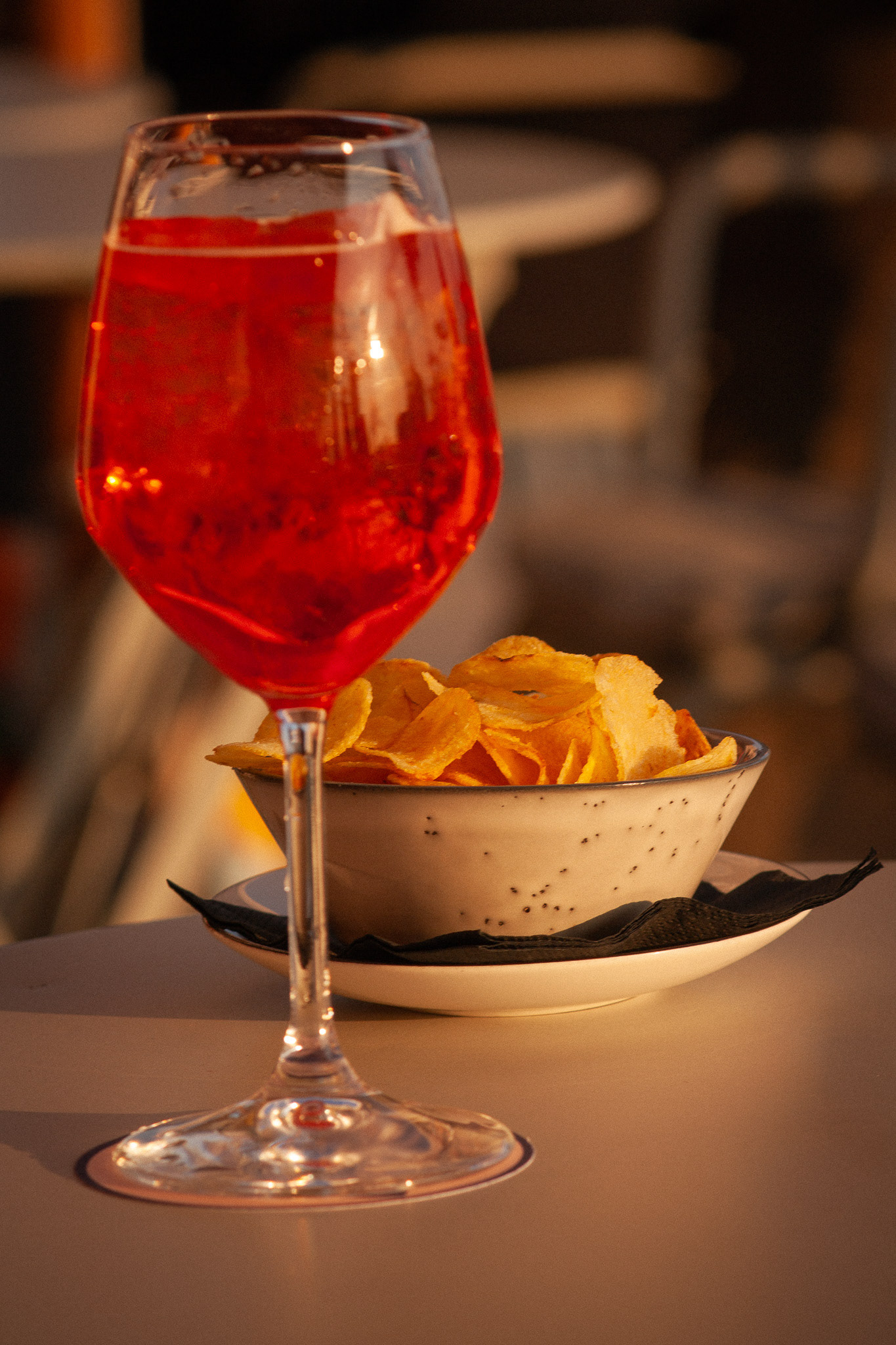
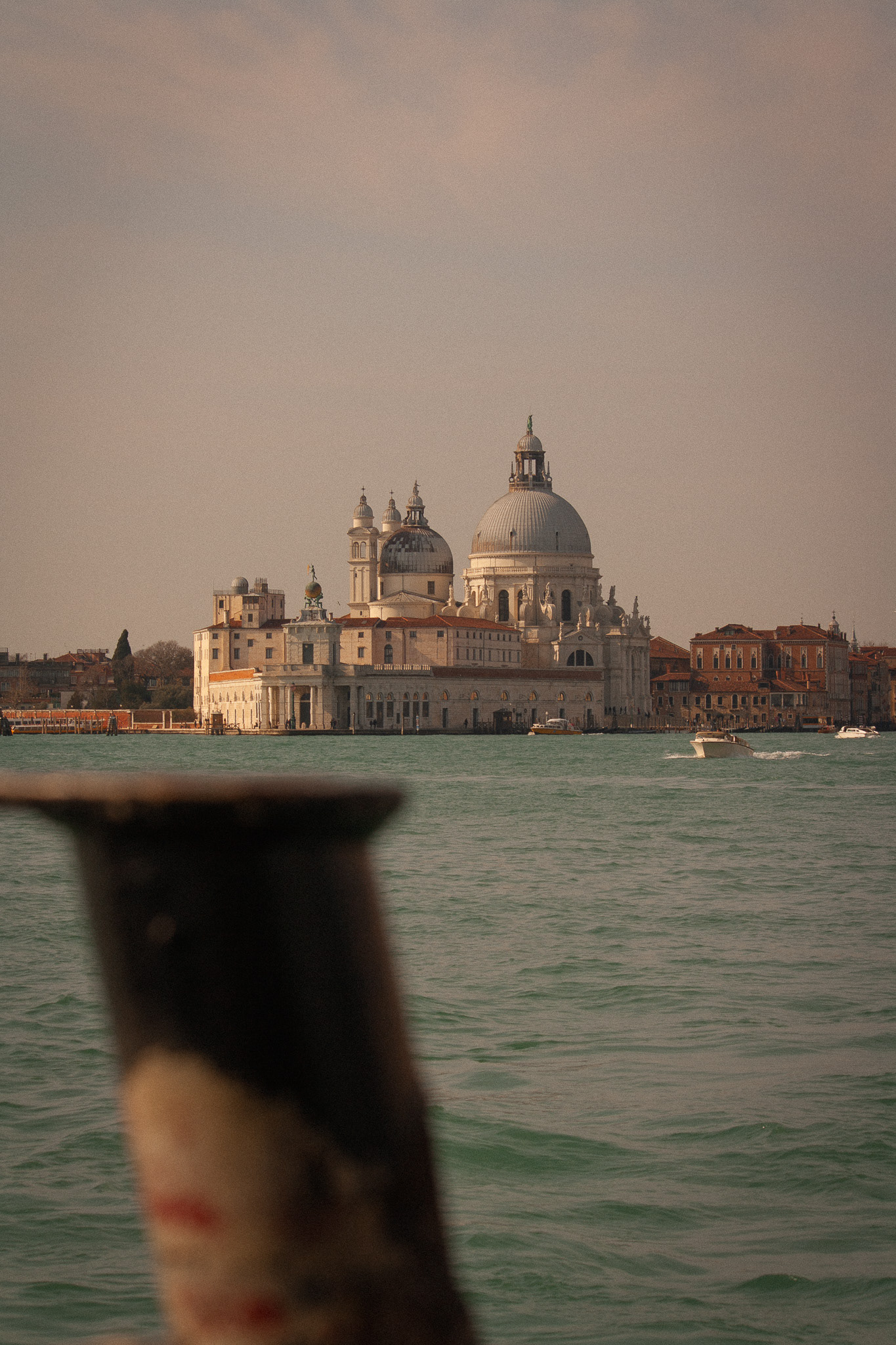
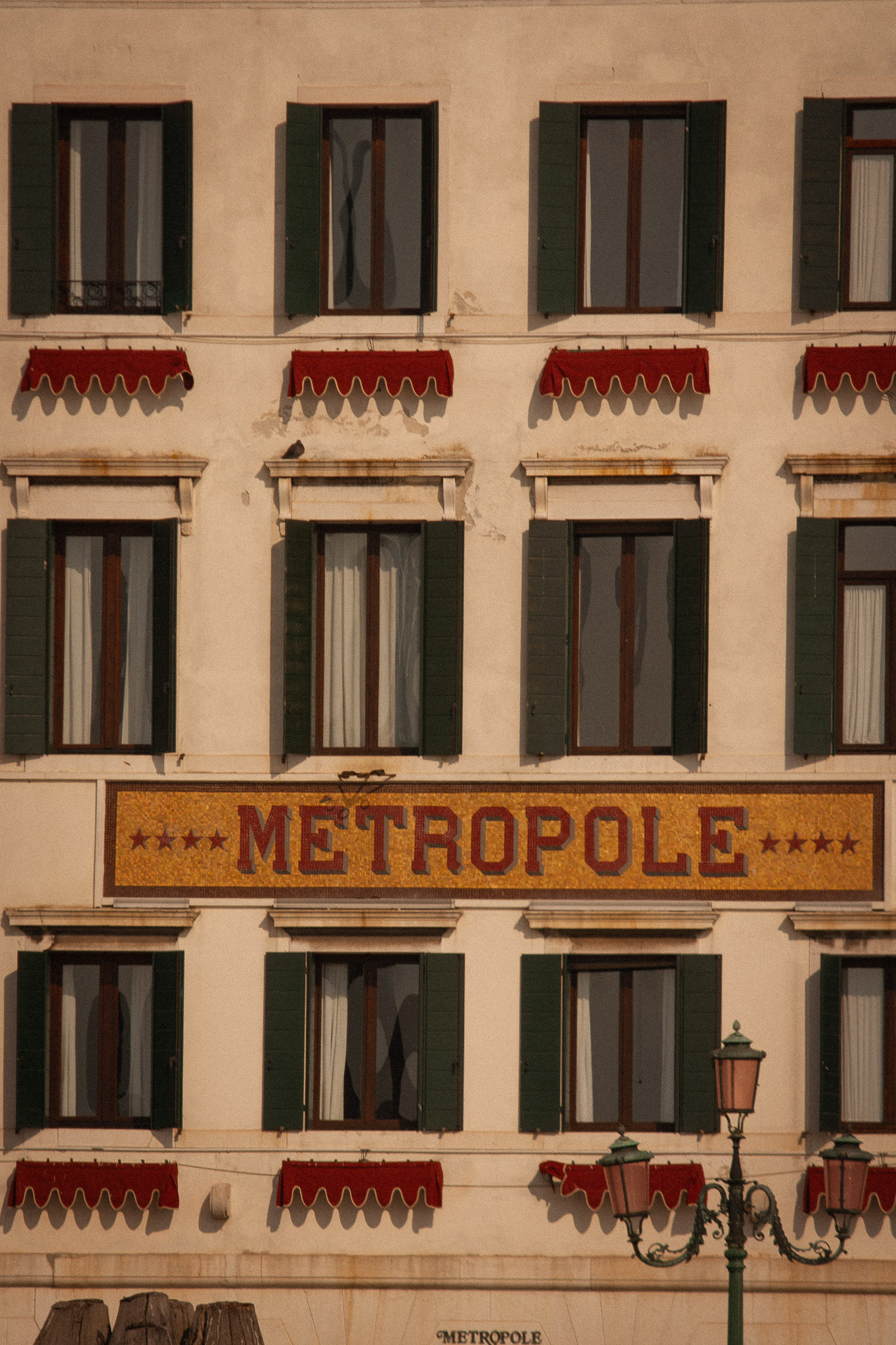
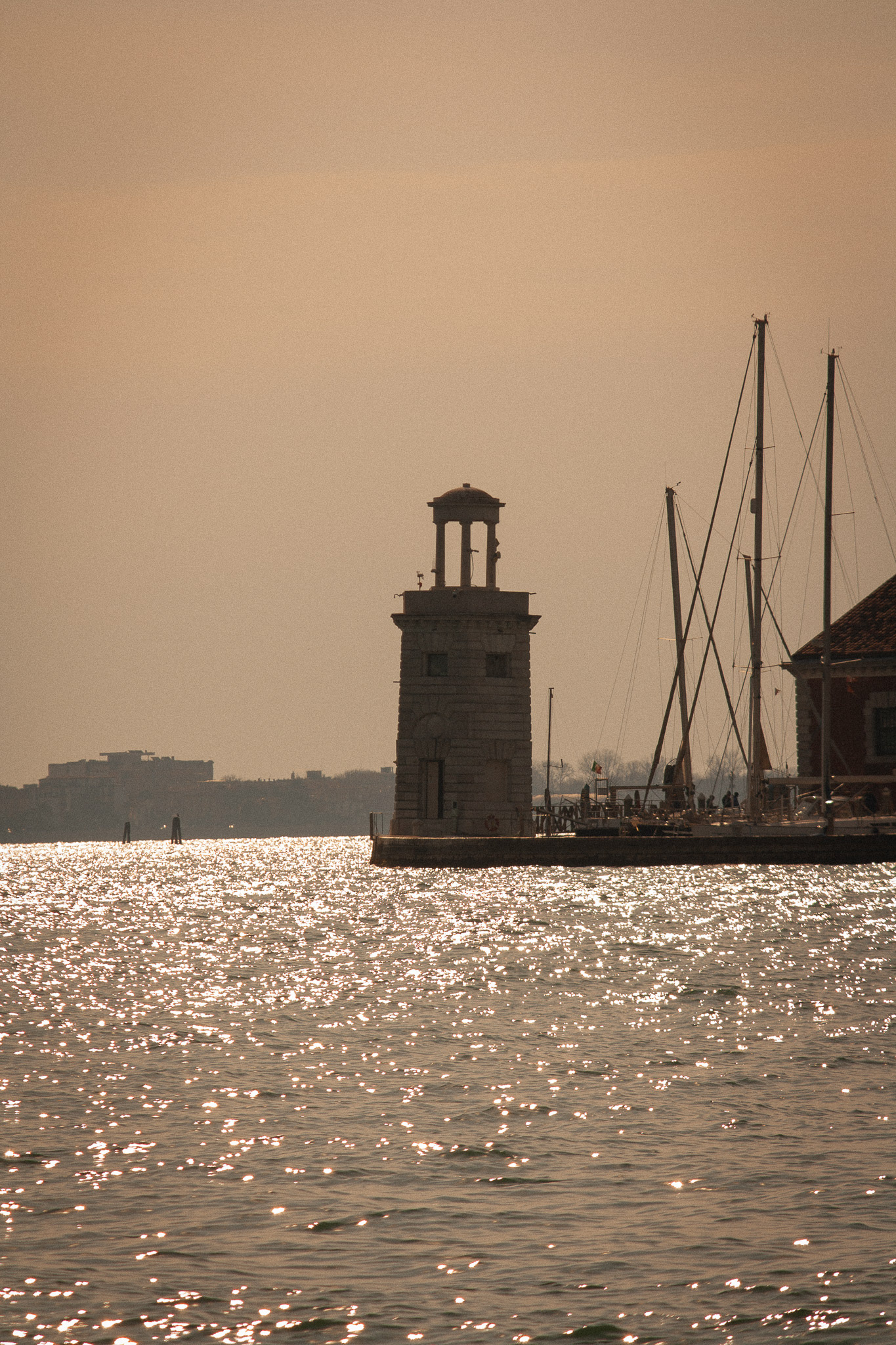
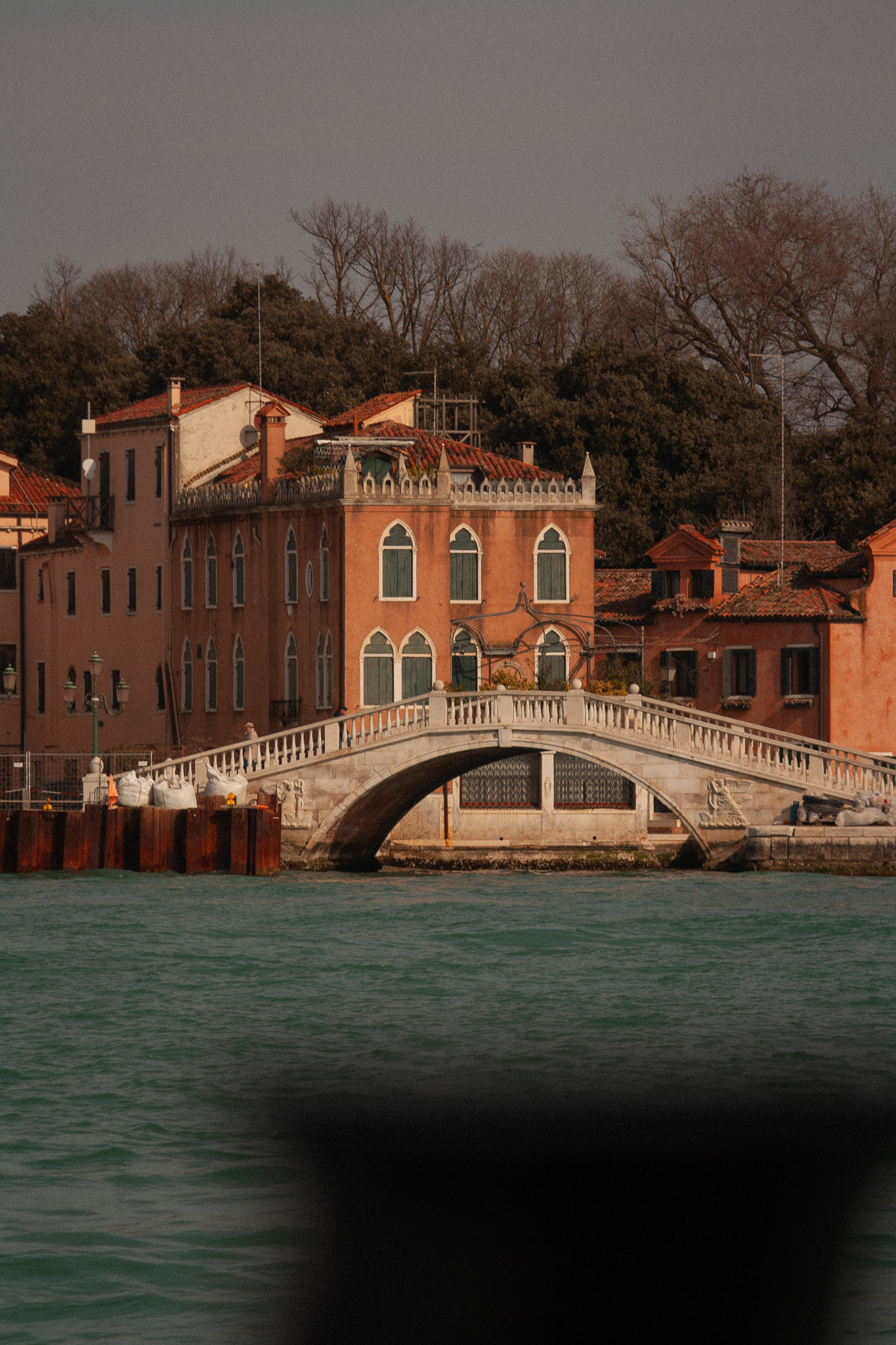
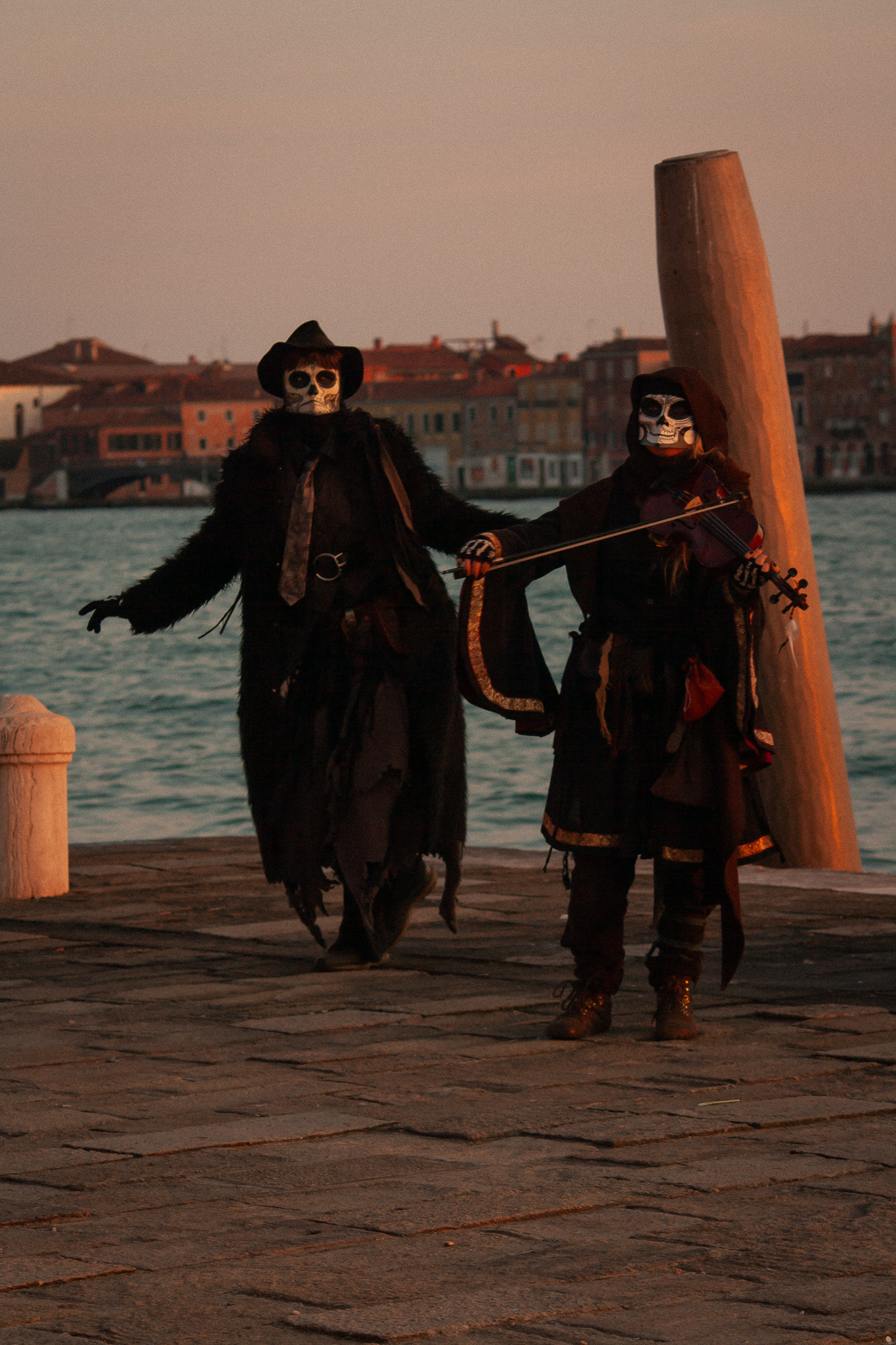
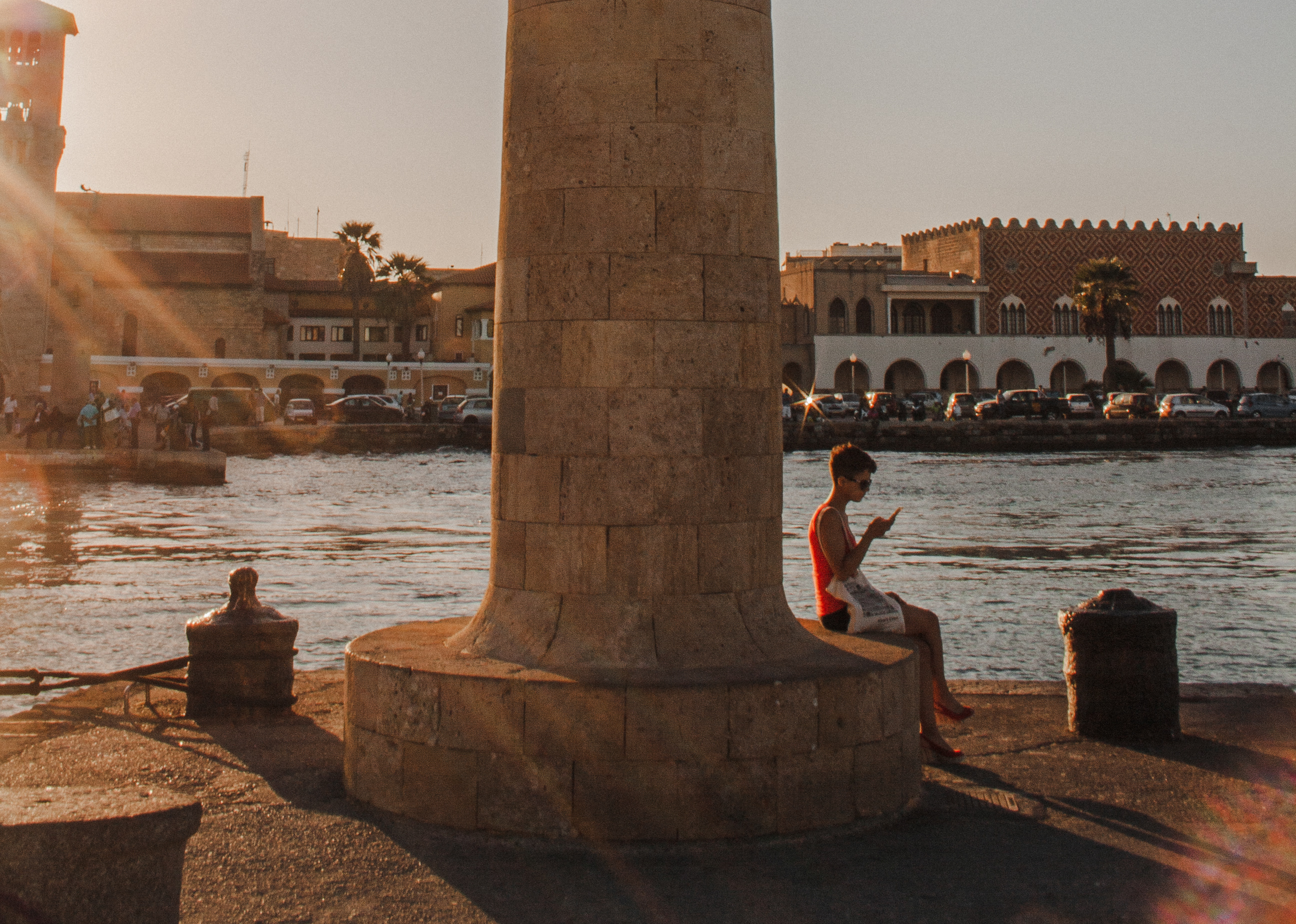
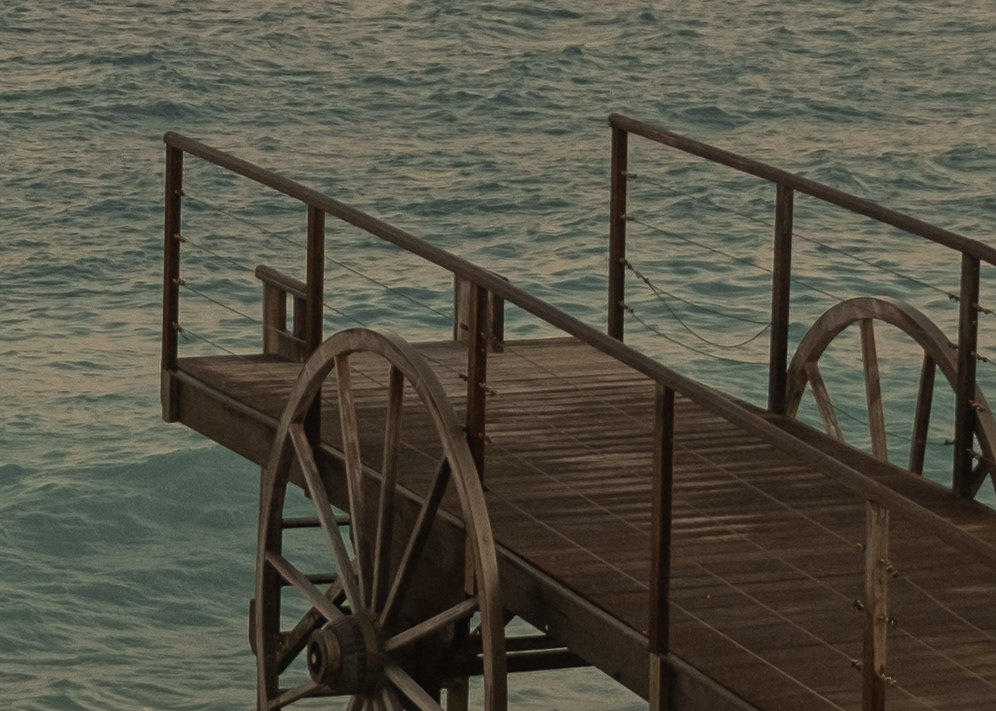
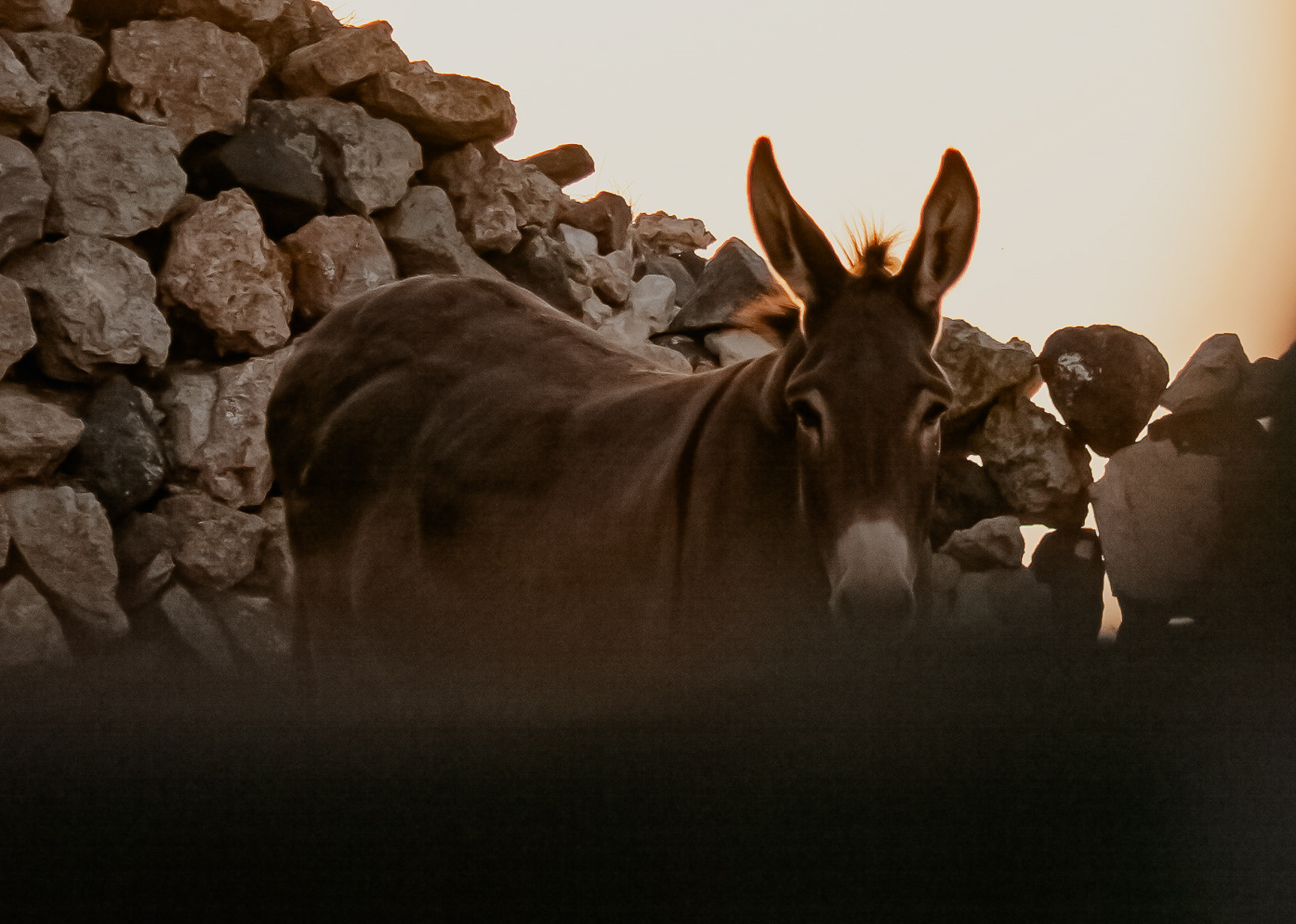
Going to Venice right mid-February wasn’t random, as I did factor in the Carnival atmosphere, but mostly because my sister lives an hour away and her birthday falls right during this period, so it became a mini getaway with a bit of celebration and festivity sprinkled on top. Despite the wintry cold, the sunshine was generous, letting us enjoy alfresco aperitivi by the canals, slowly peeling off our many layers as the sun -almost- warmed us. In between there were old-school bàcari serving cicchetti (Venetian small plates), long walks, and on my sister’s birthday, a mandatory stop at Harry’s Bar for traditional Bellinis (mine non-alcoholic, of course, but still counts). Sweet little moments, really, infused with that unmistakable Italian-ness, where food, drinks, and conversation always blur into one happy thing.
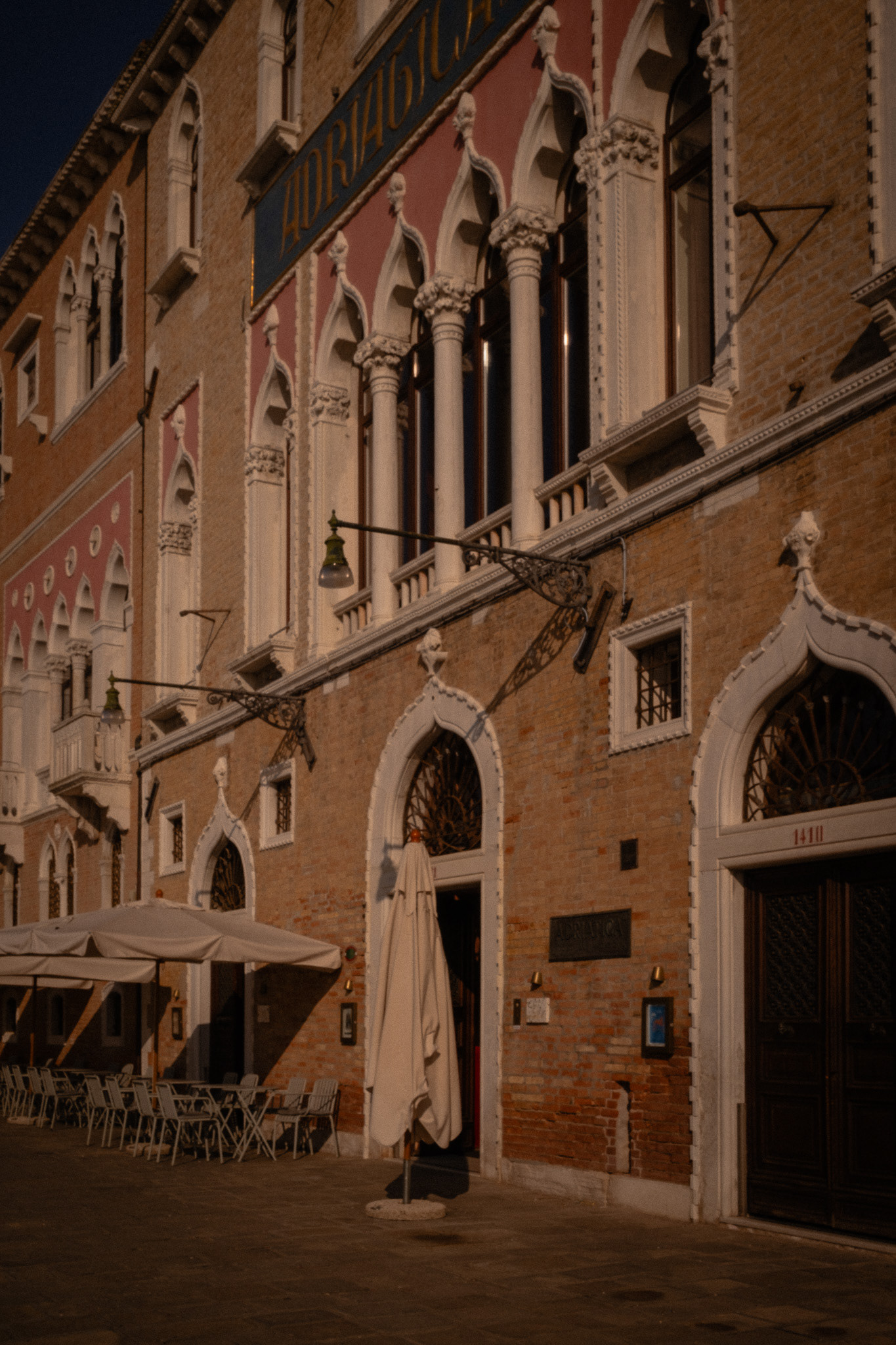
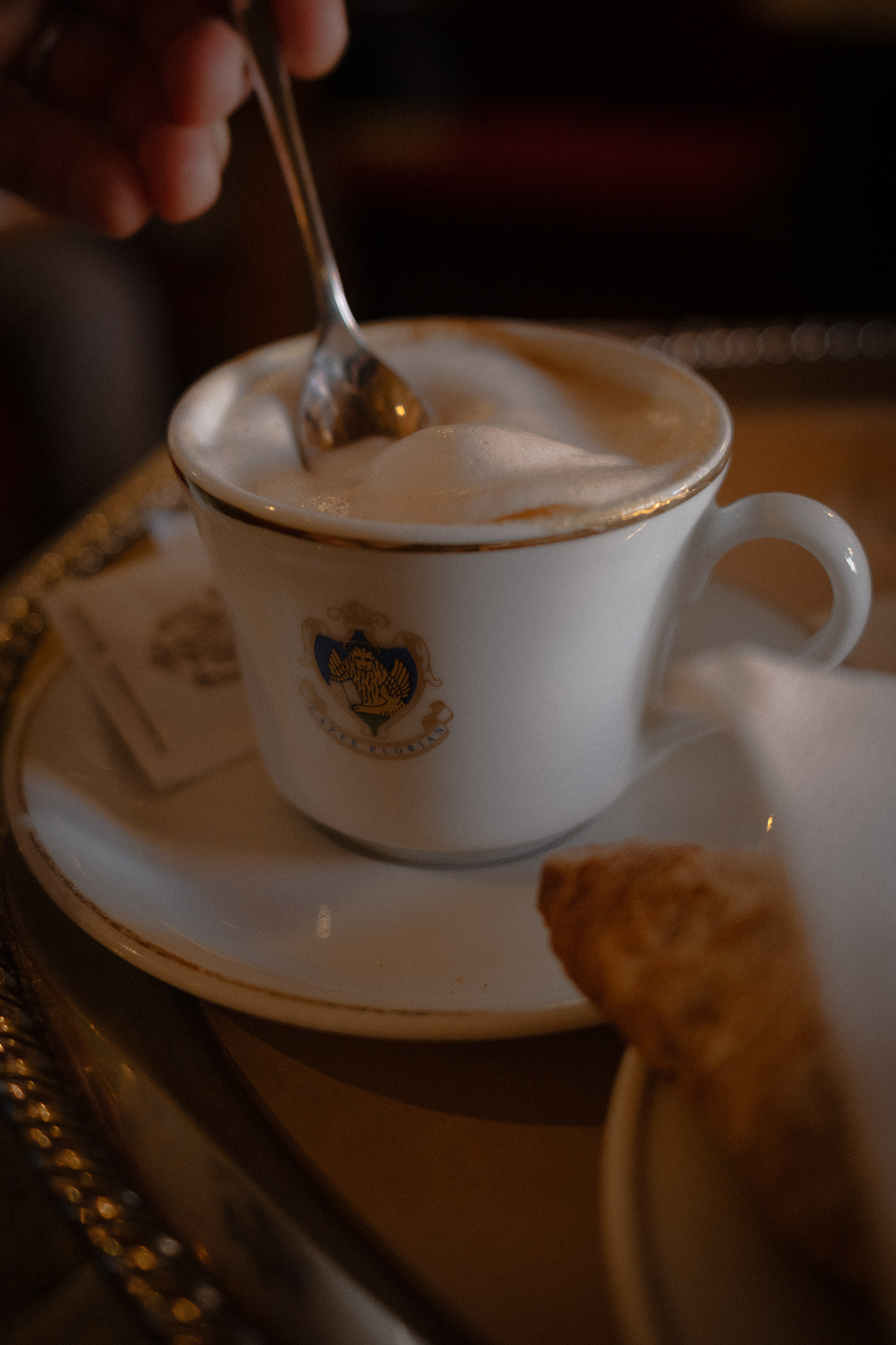
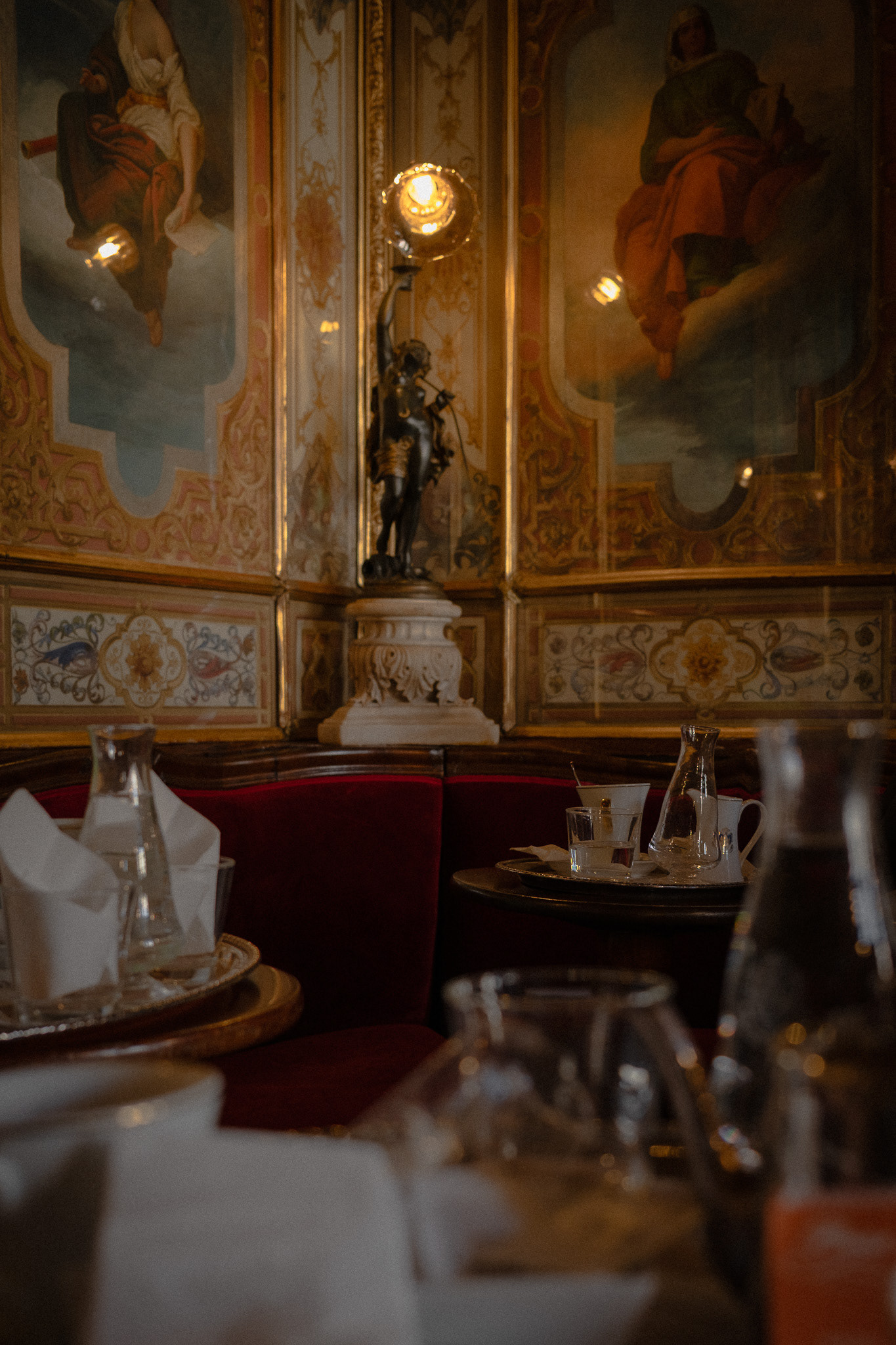
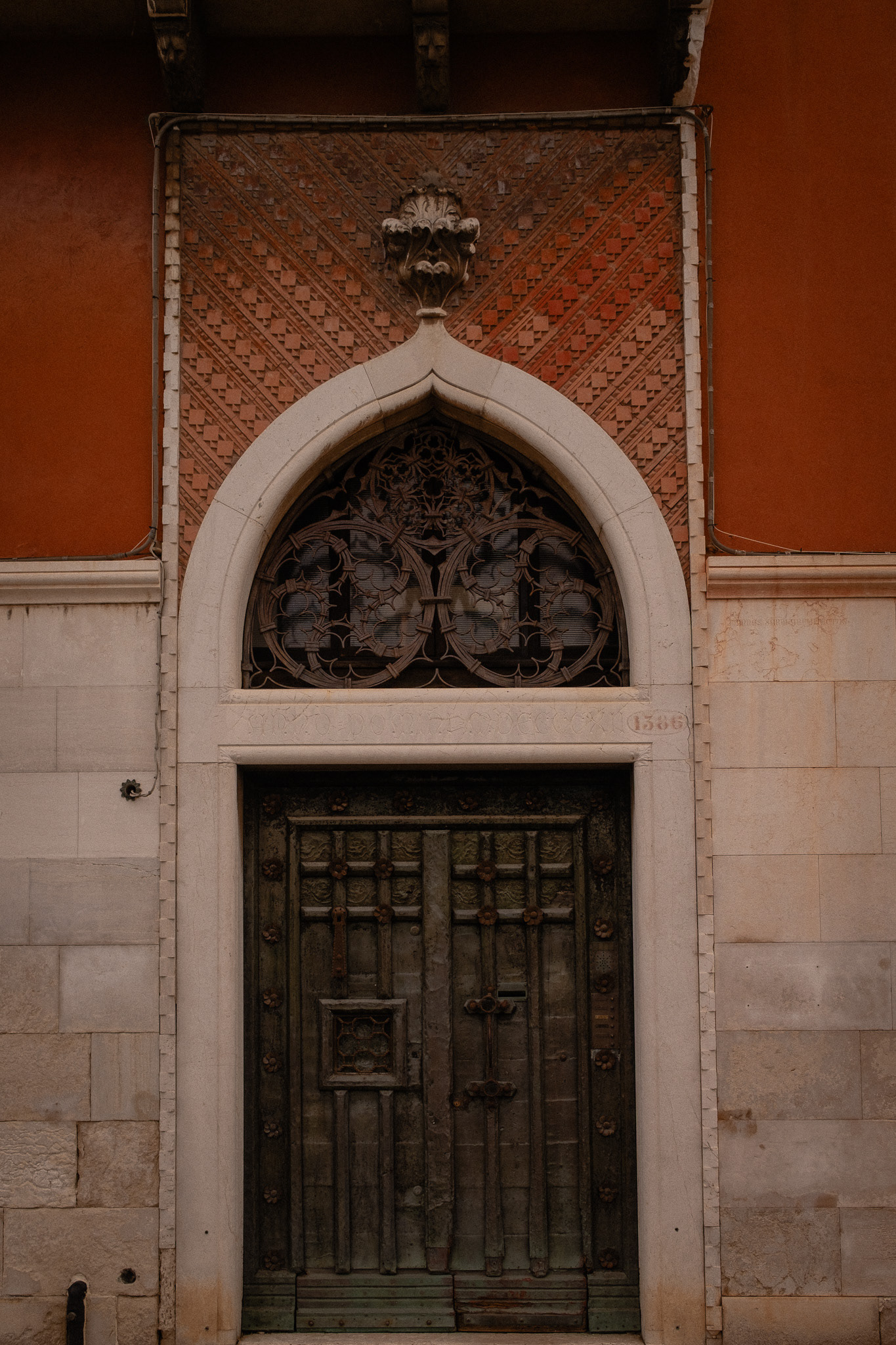
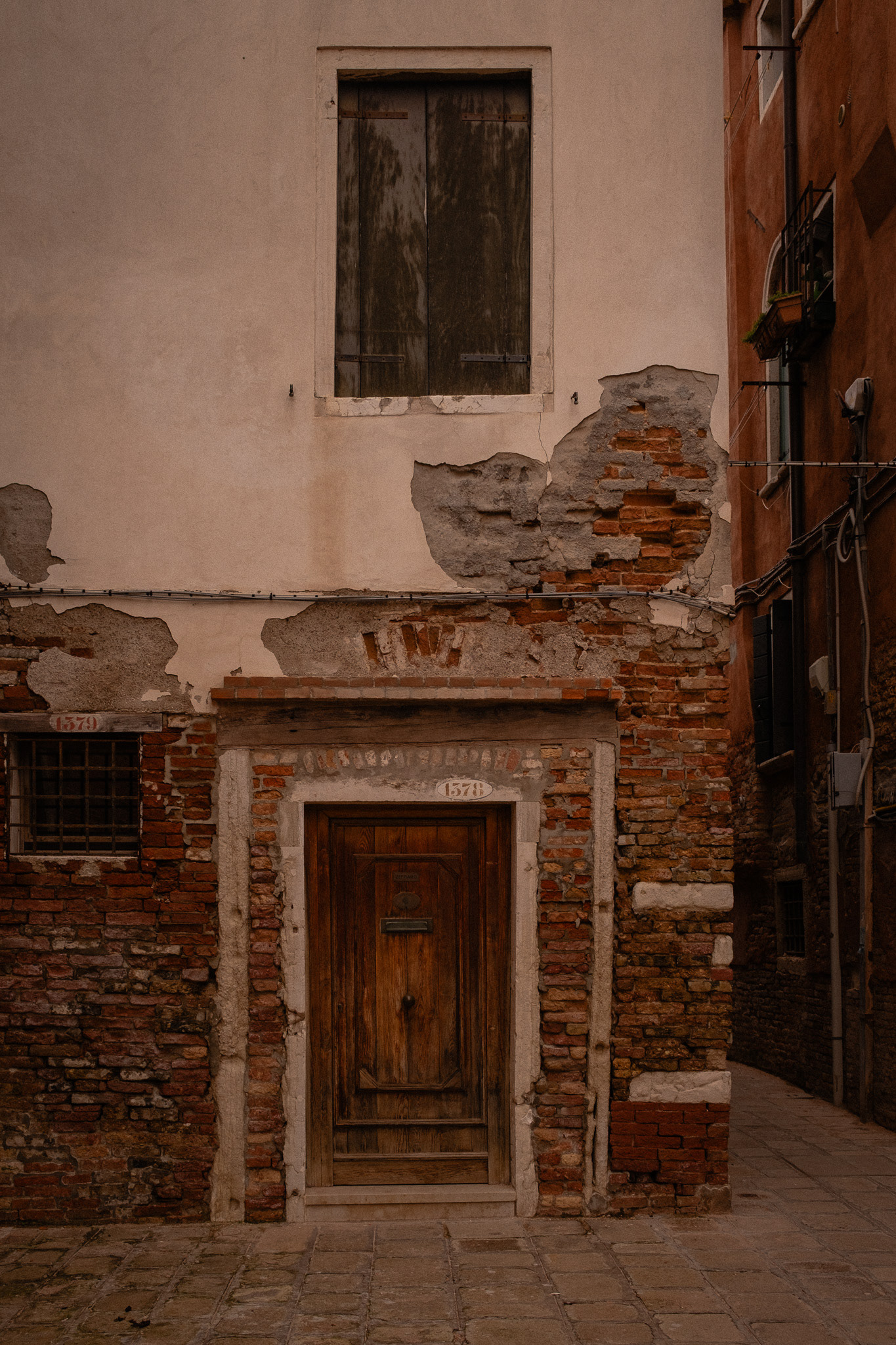
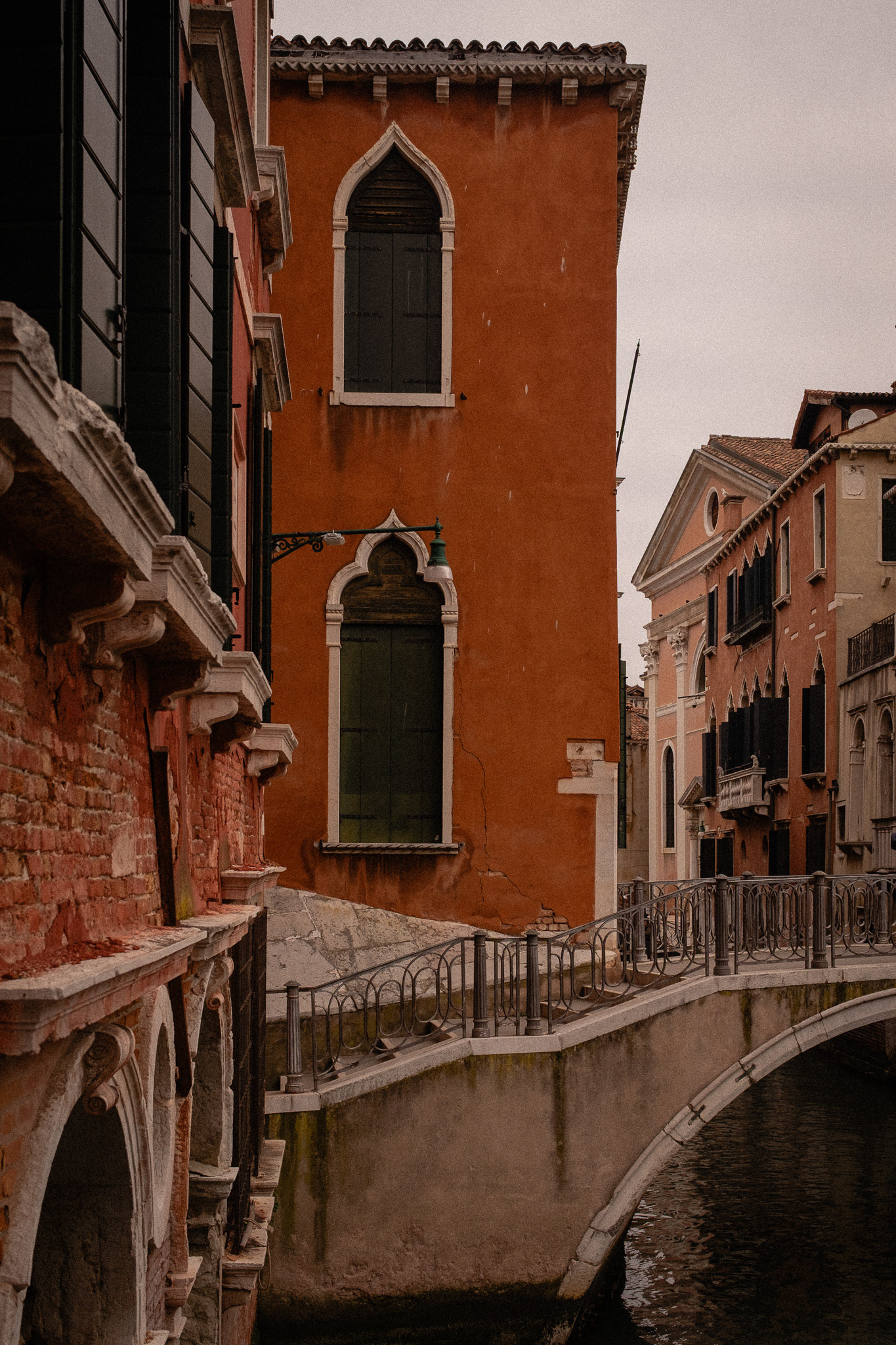
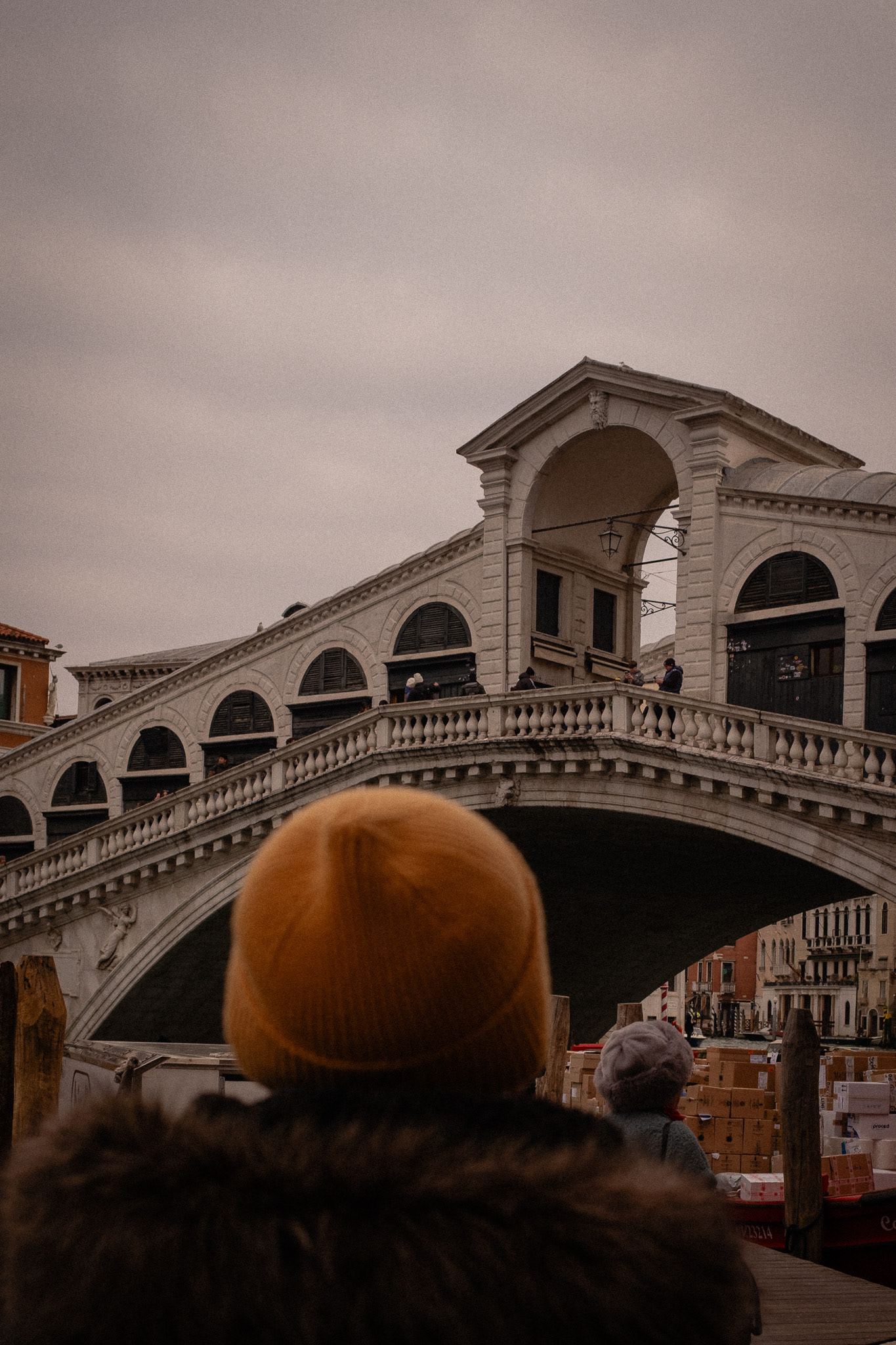
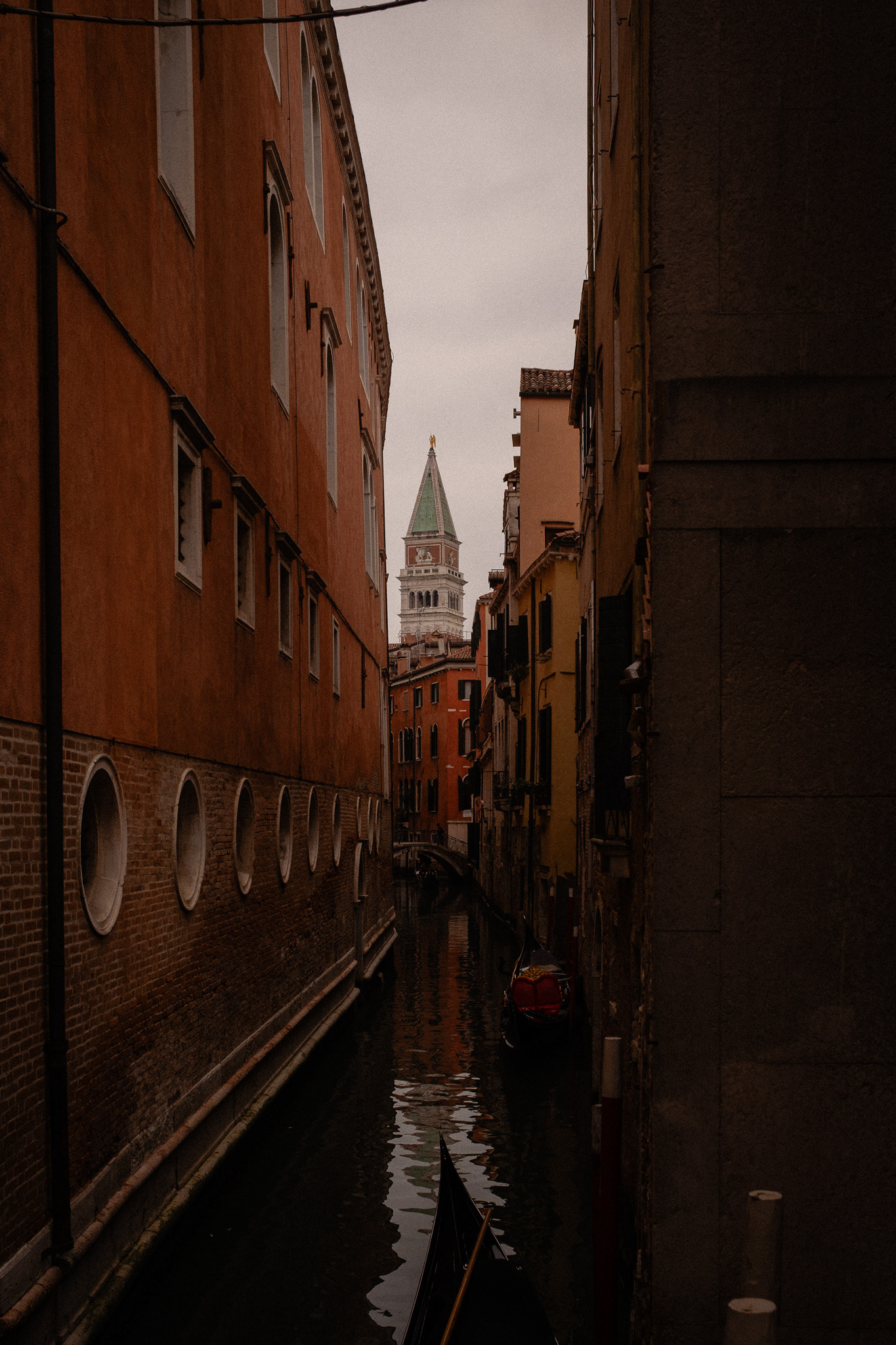
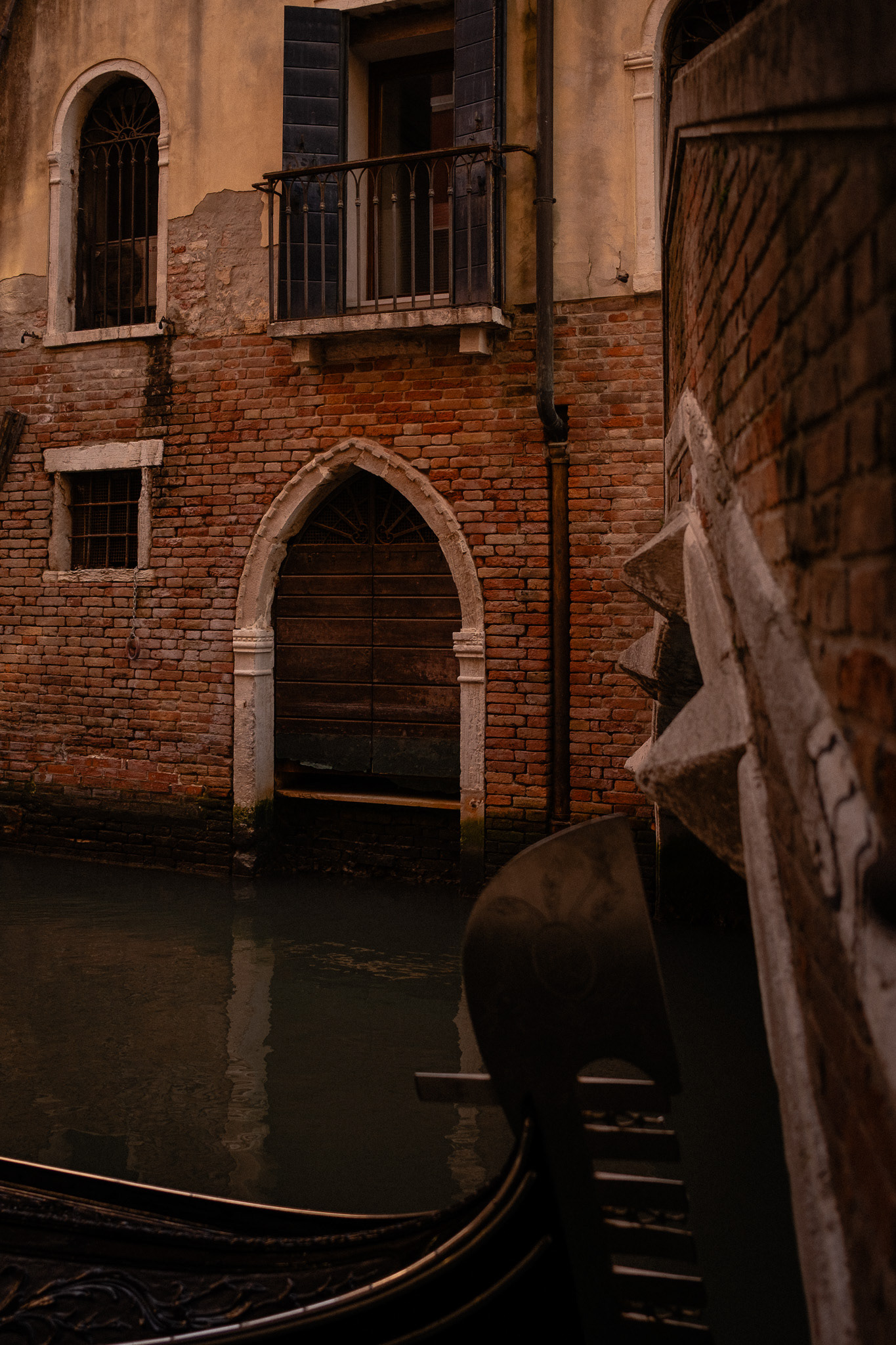
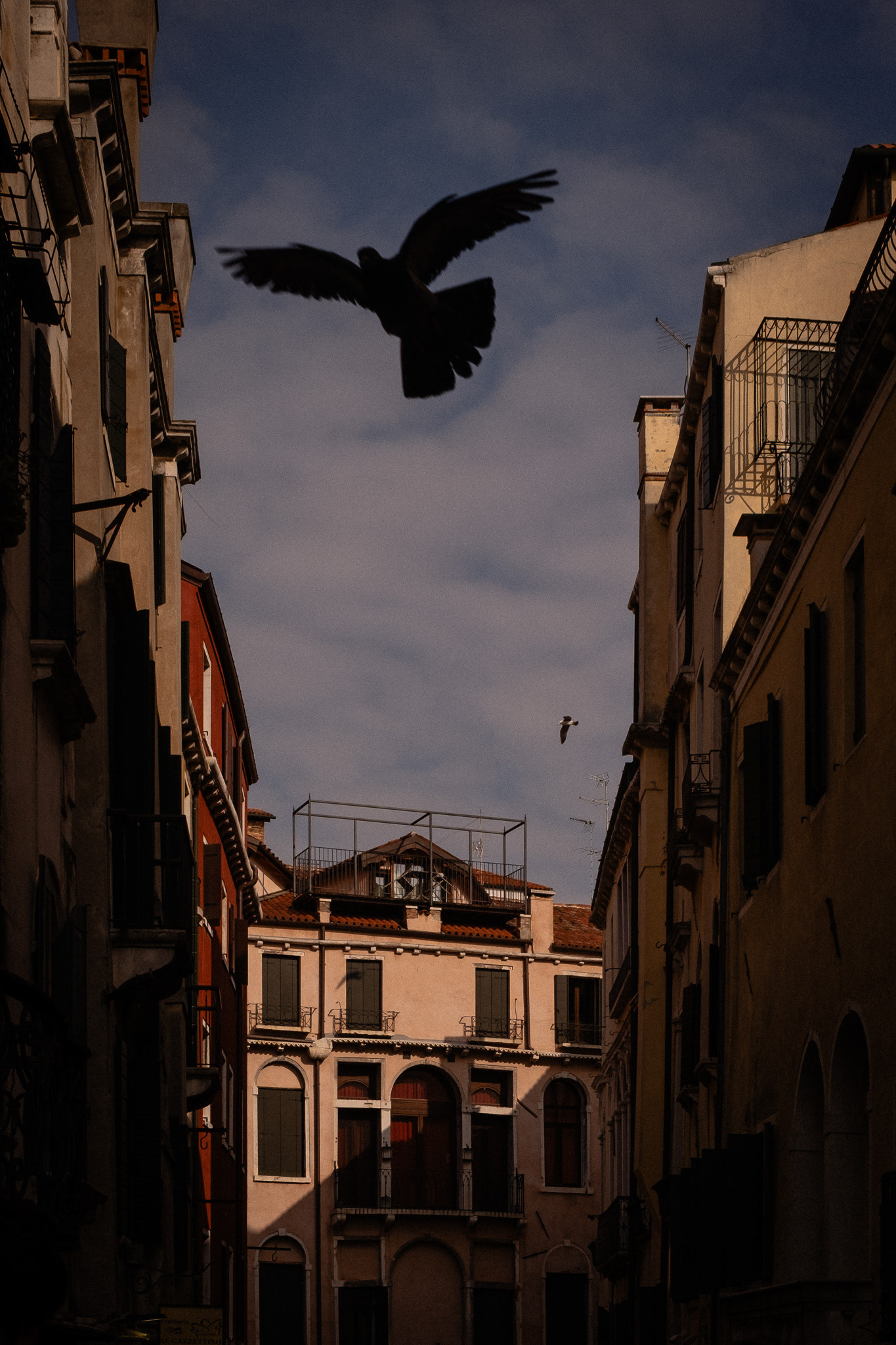
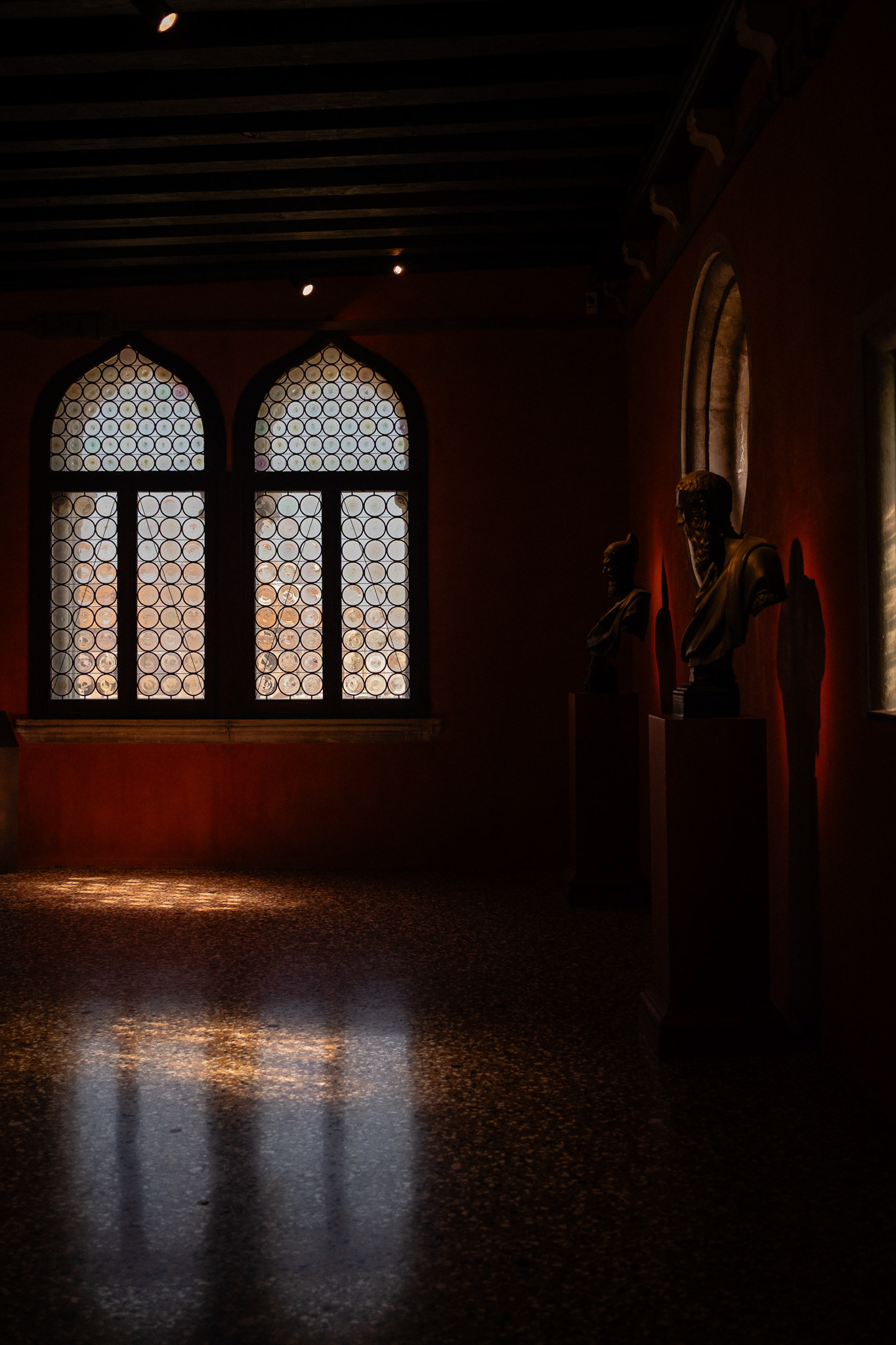
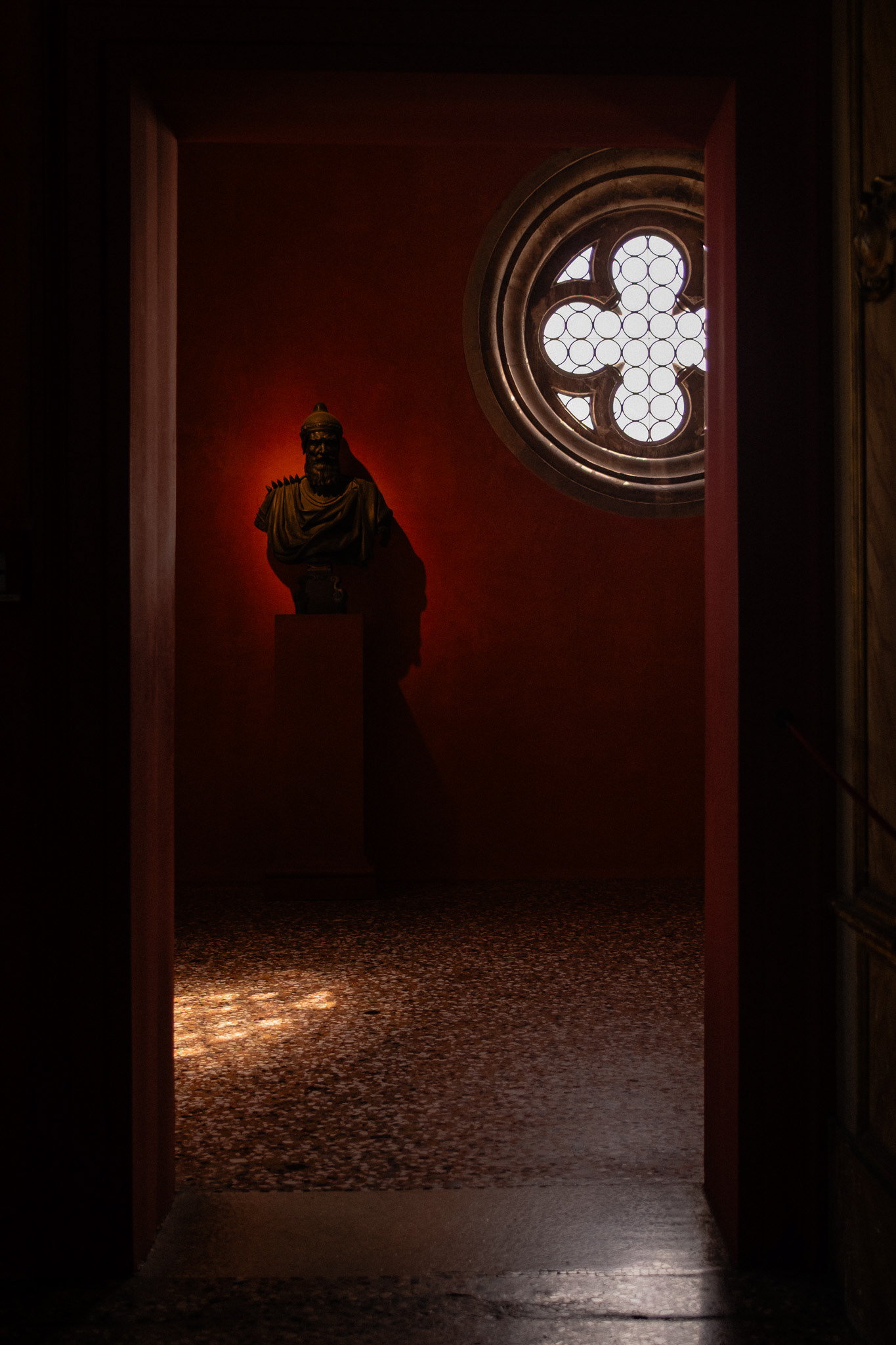
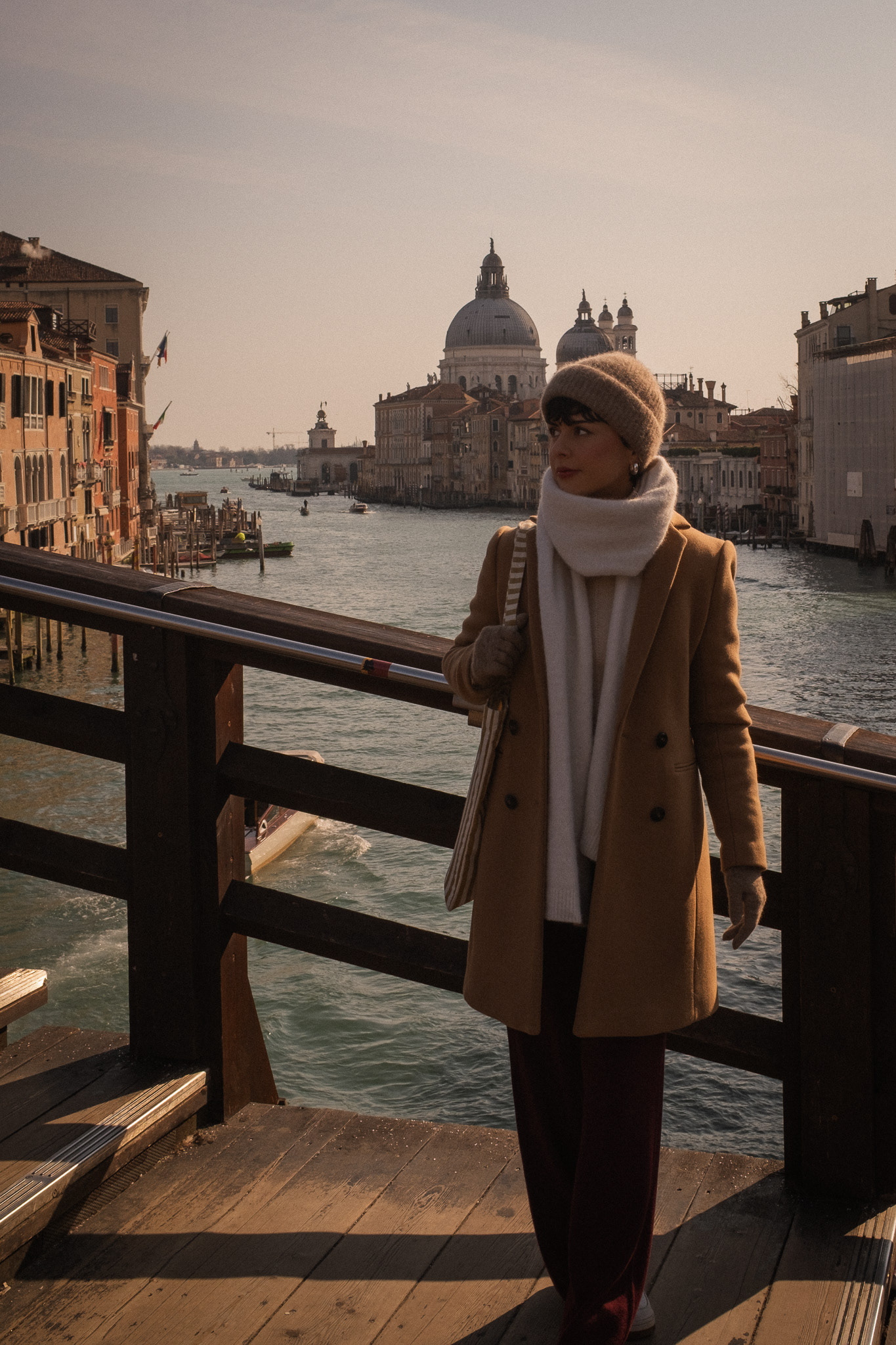
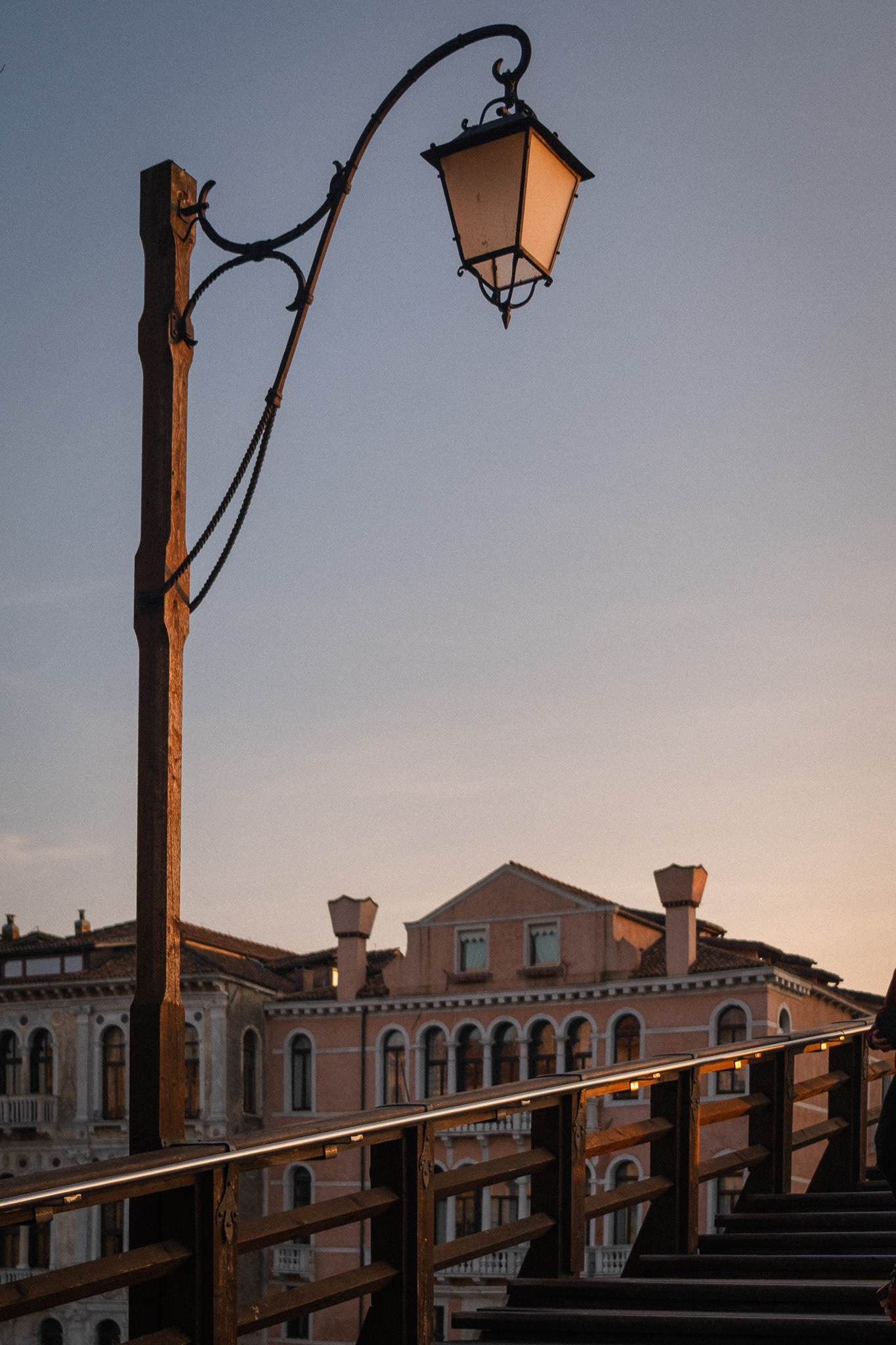
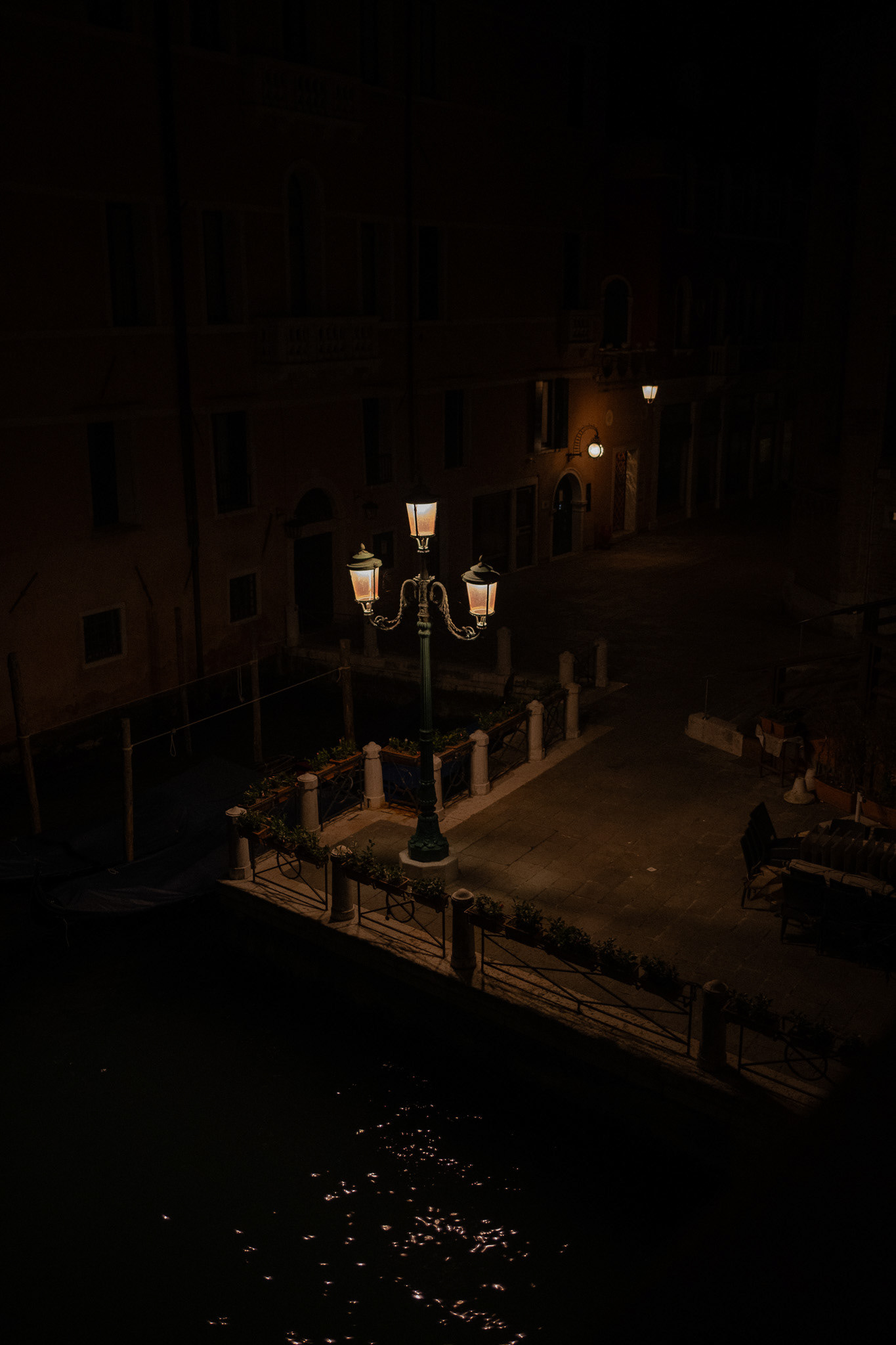
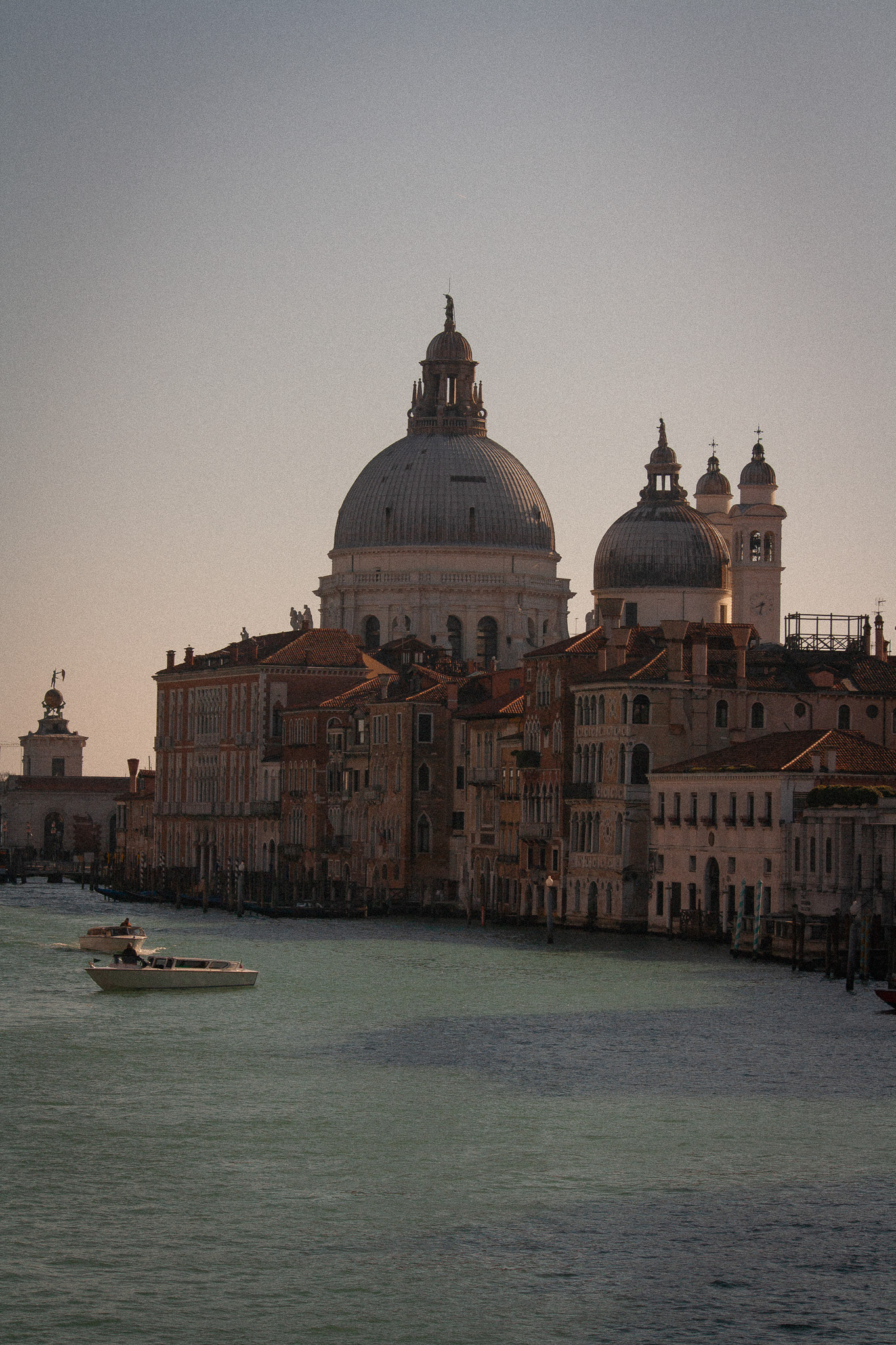
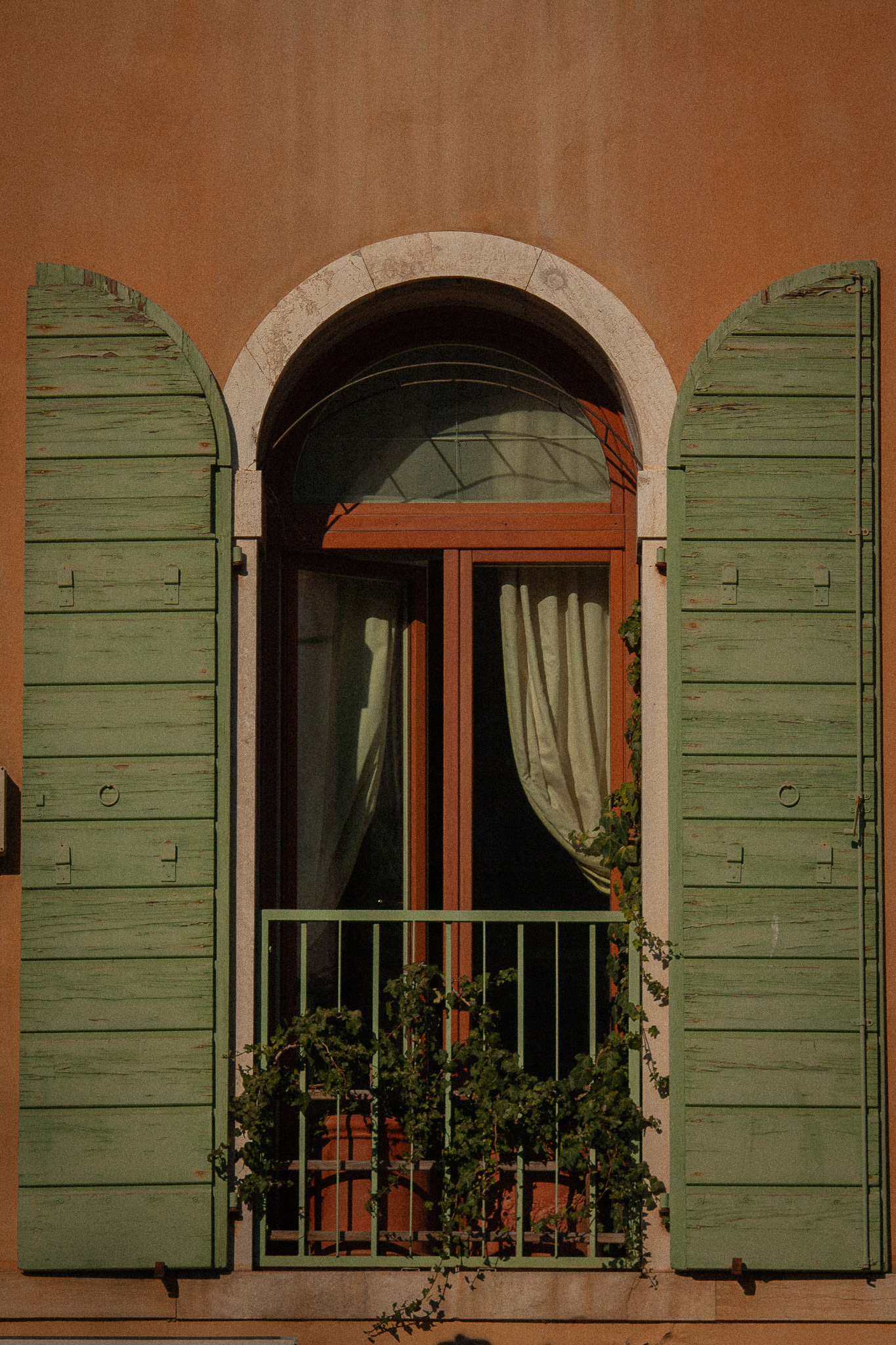
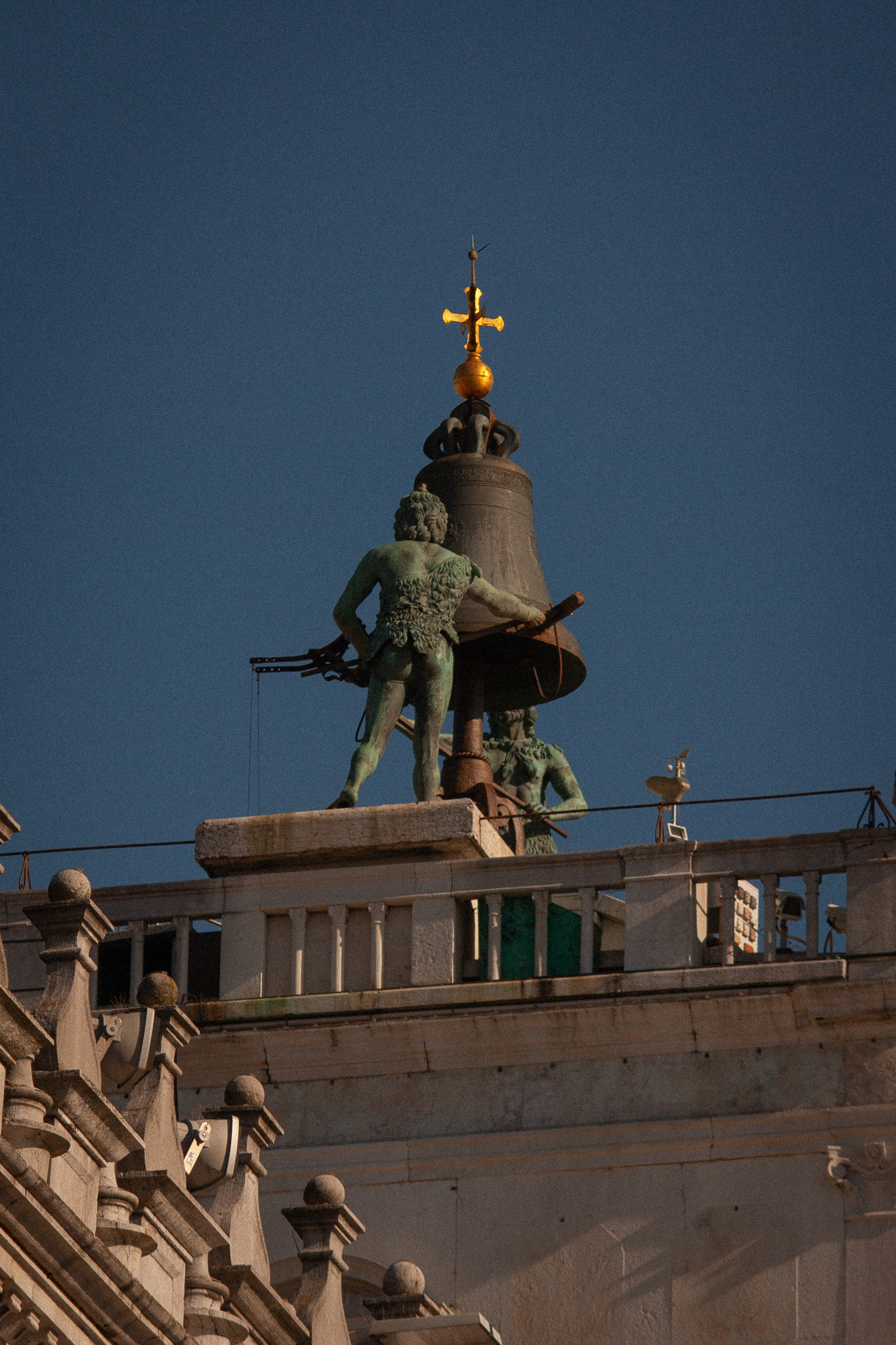
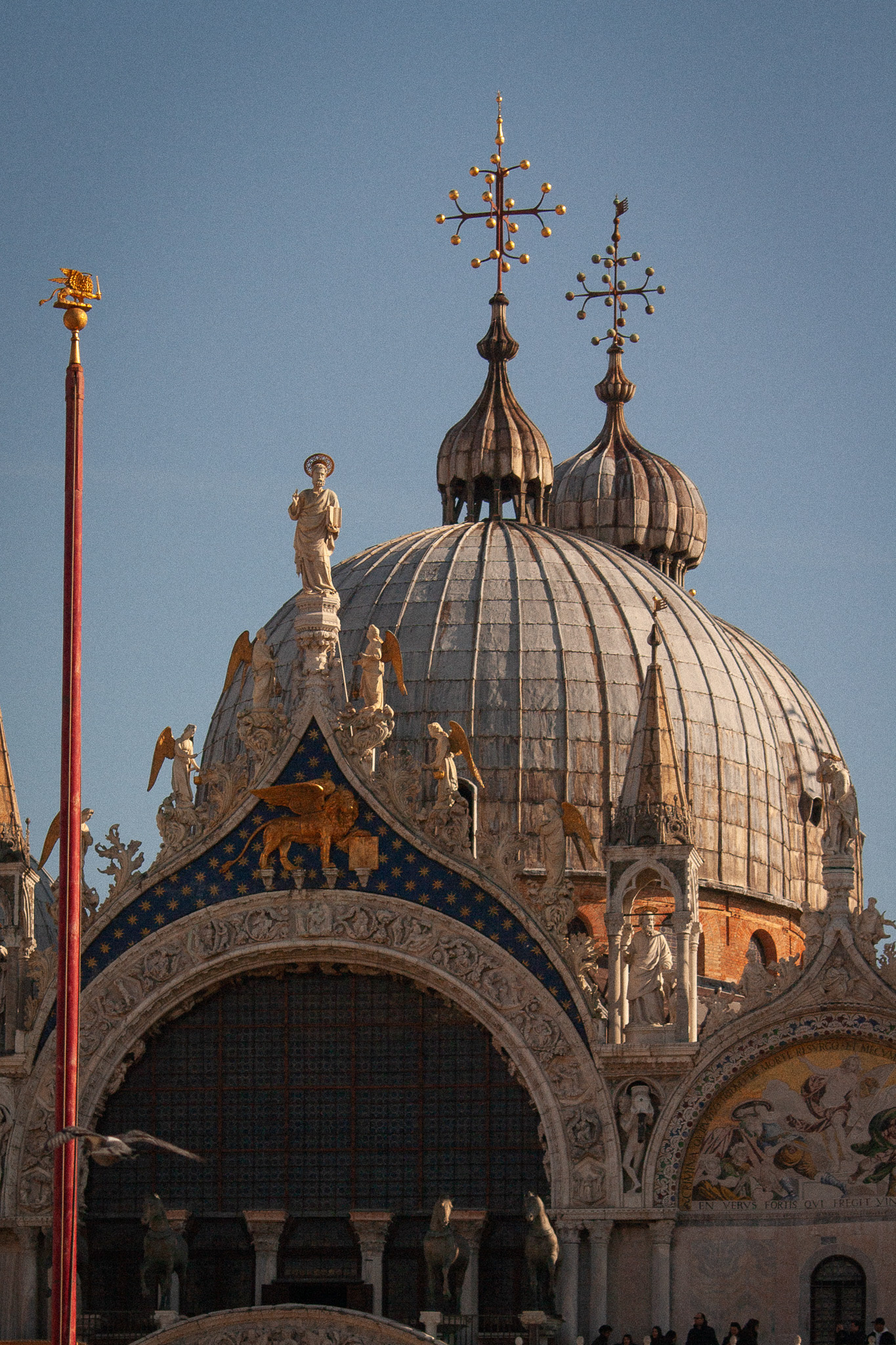
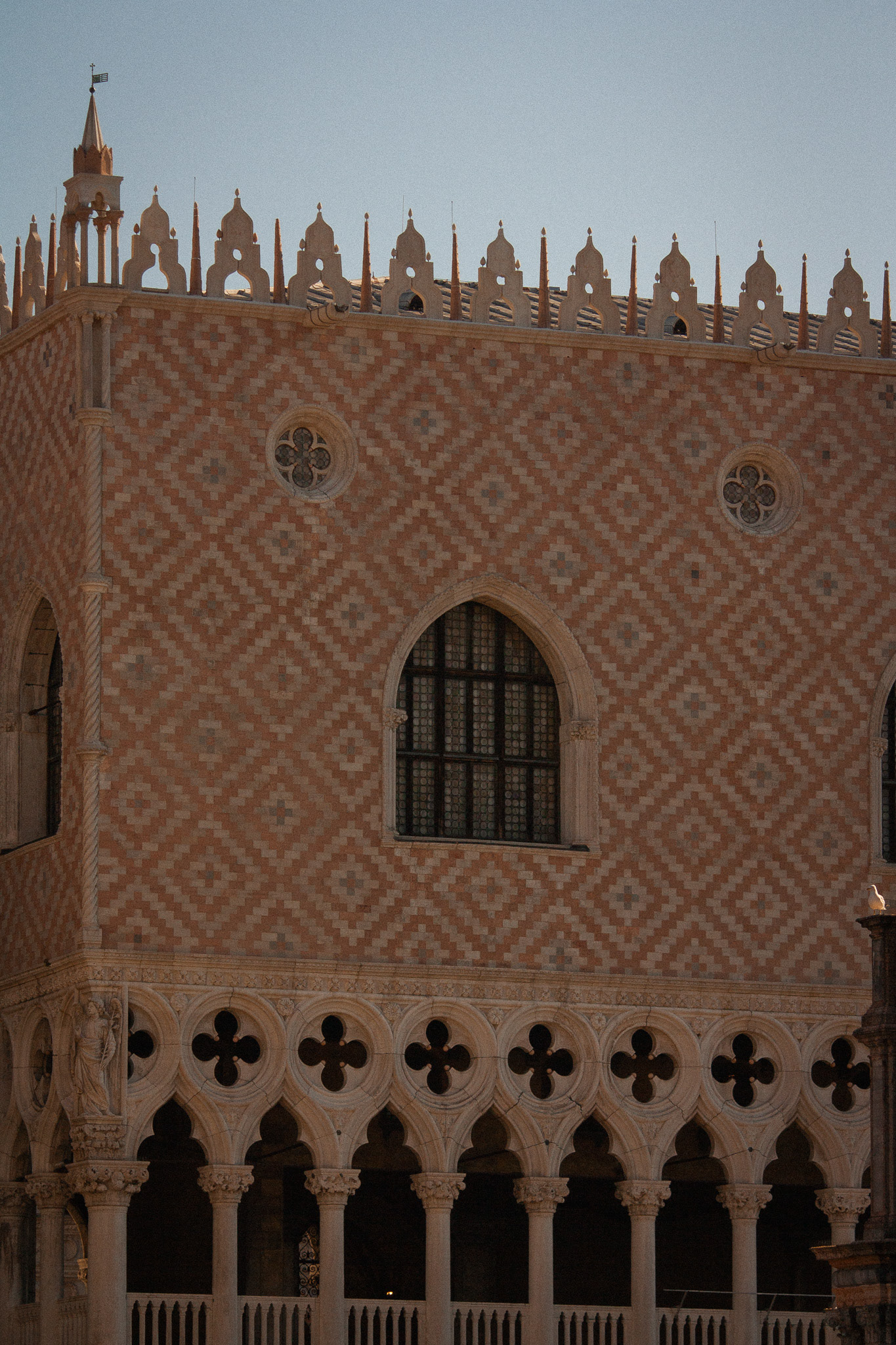
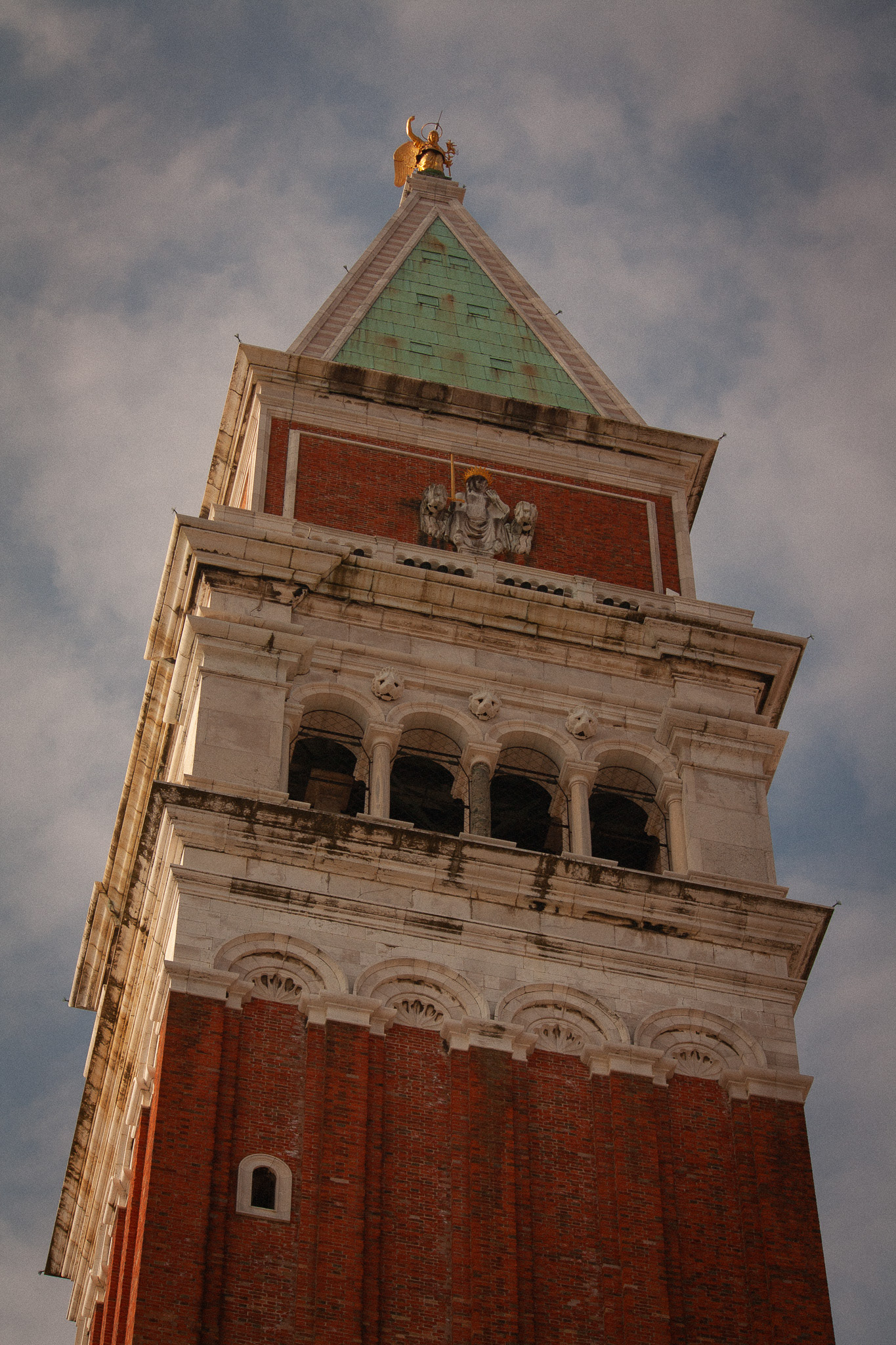
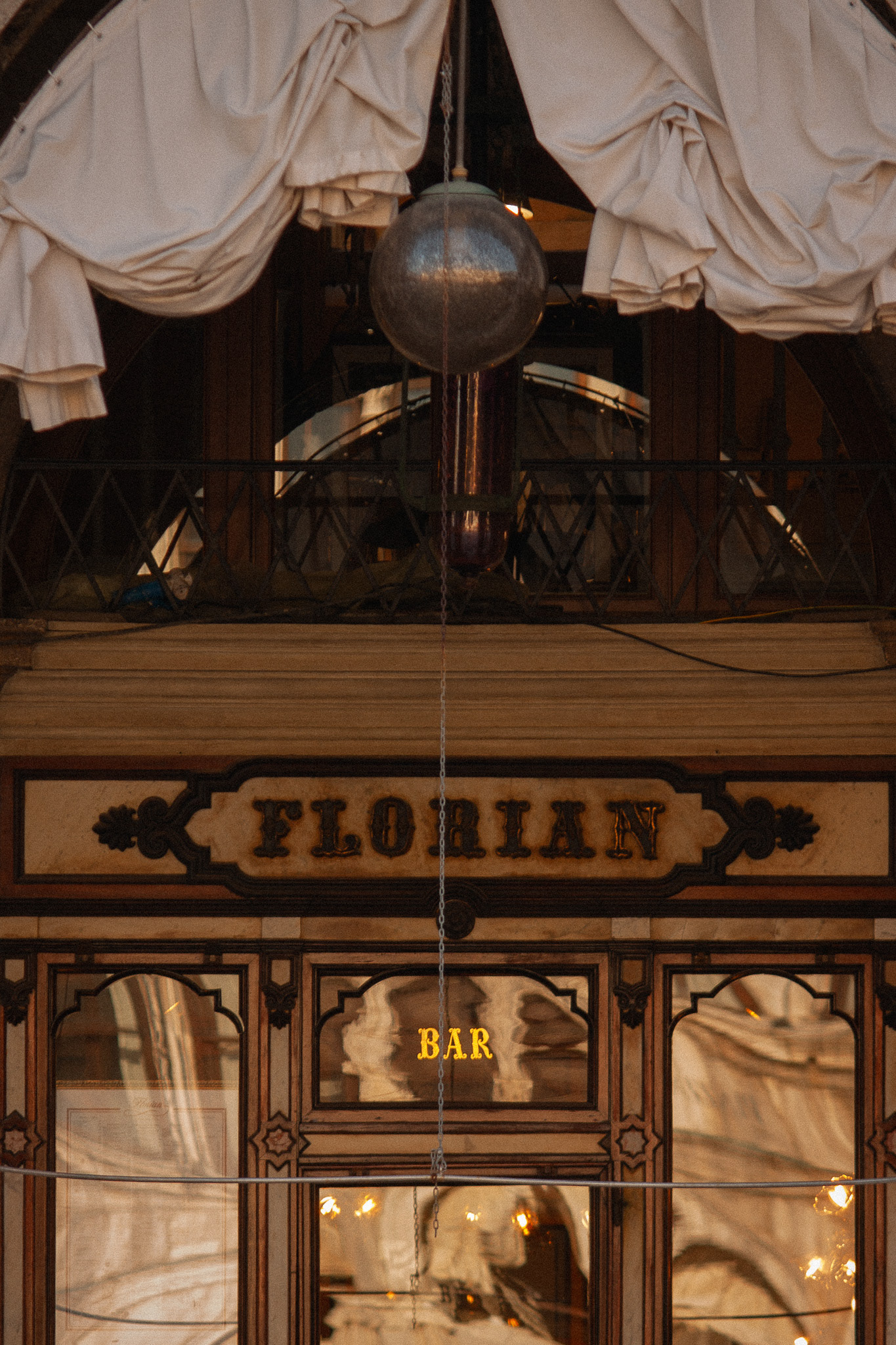
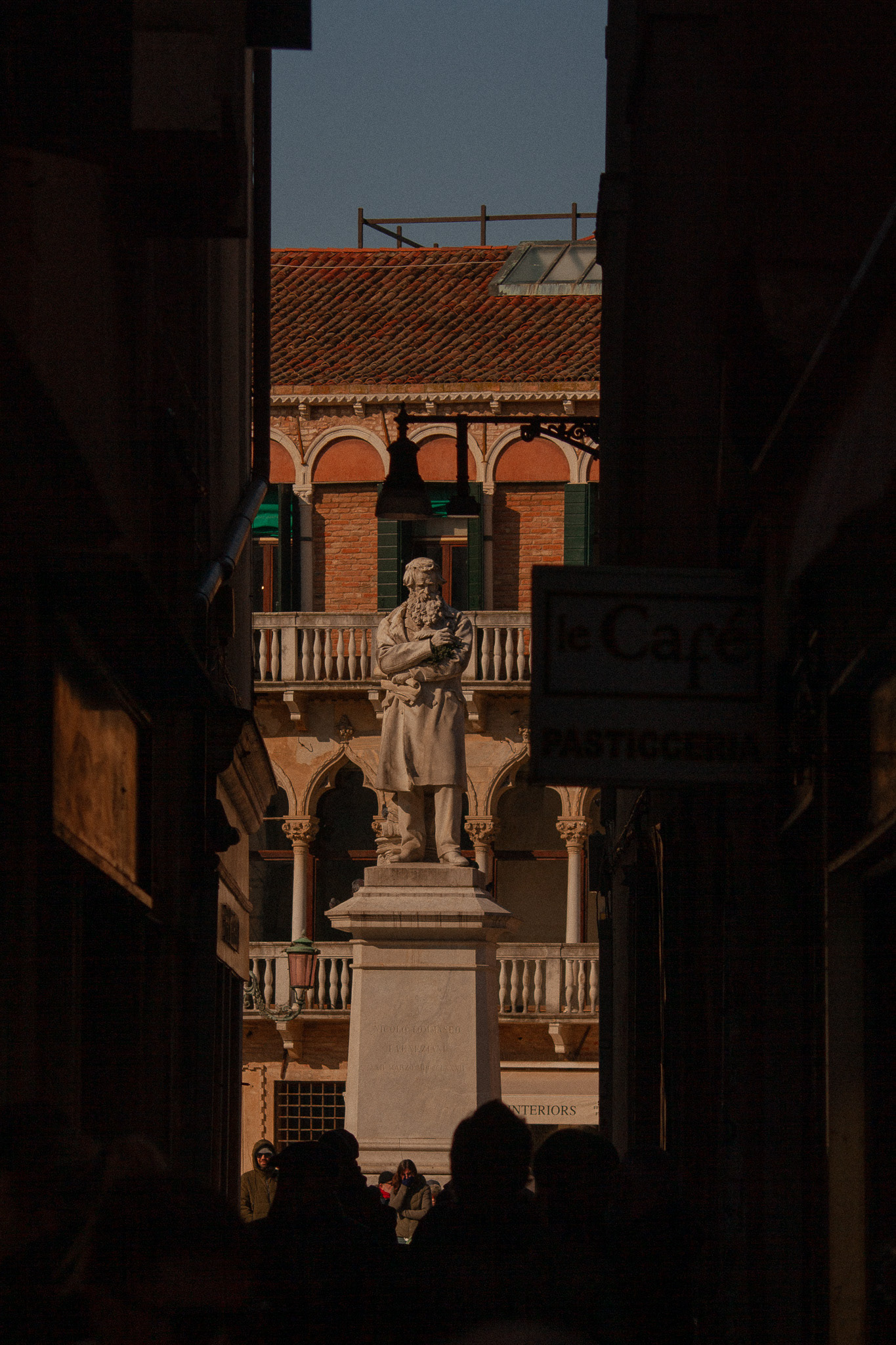
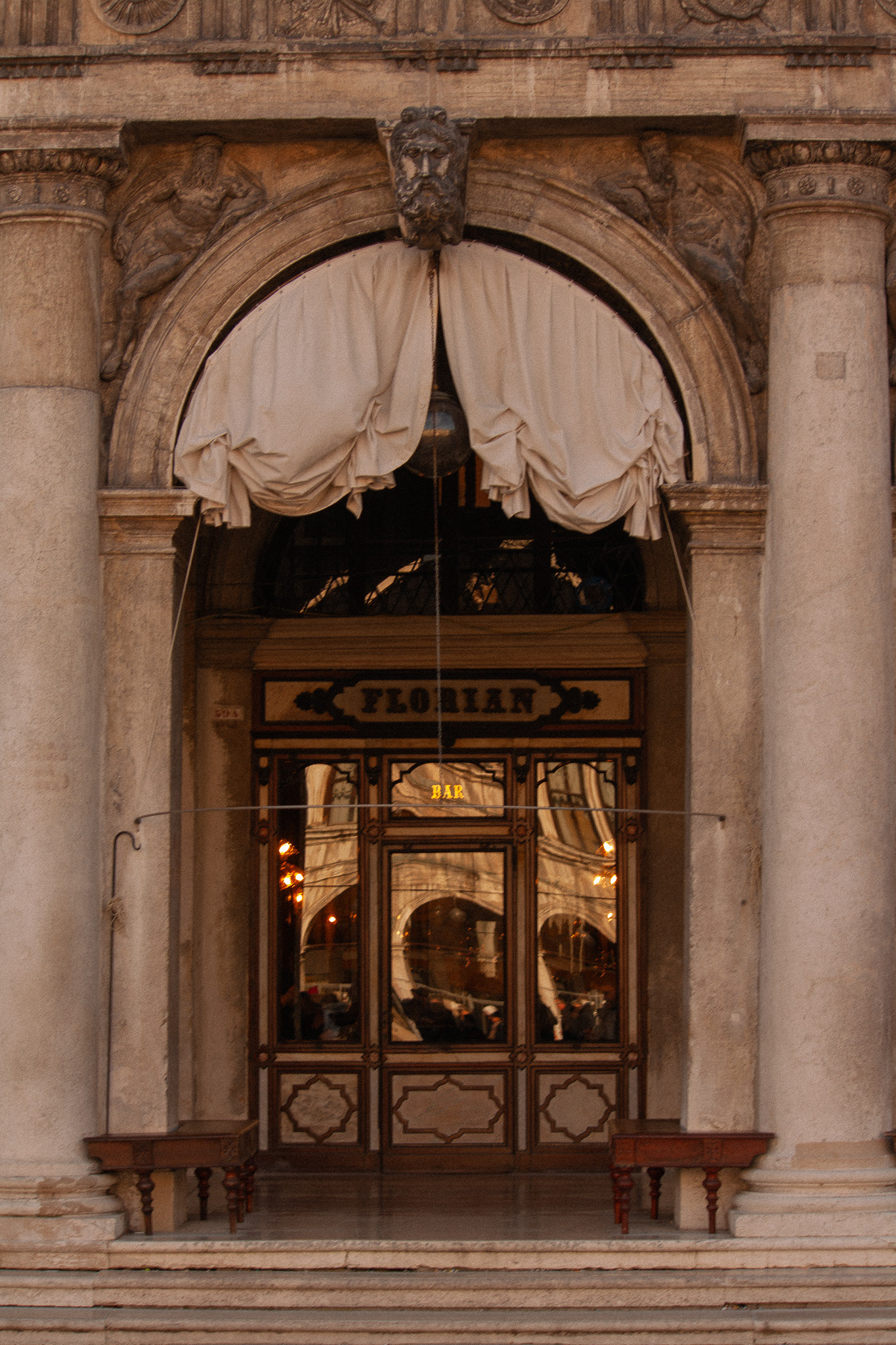
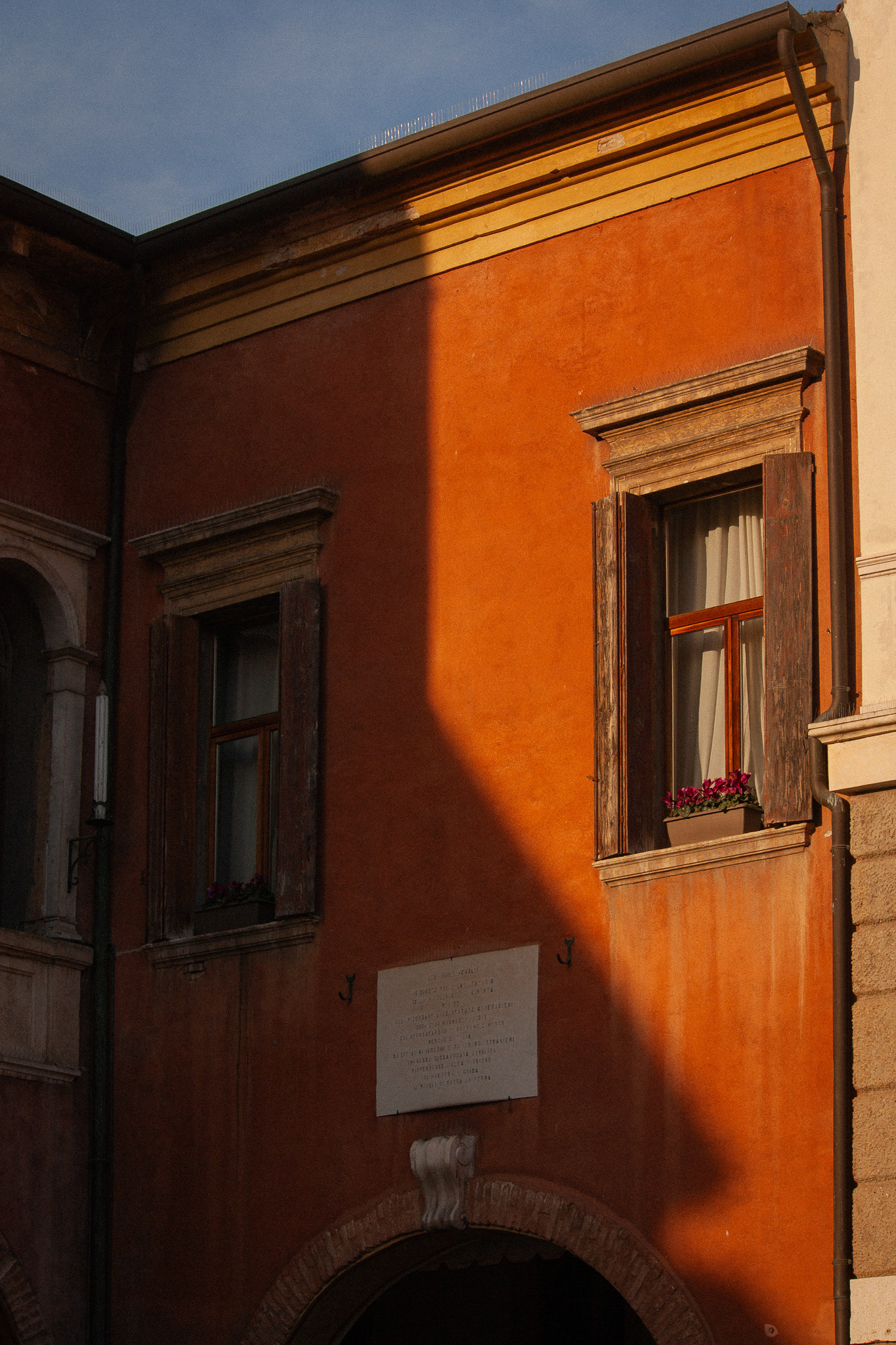
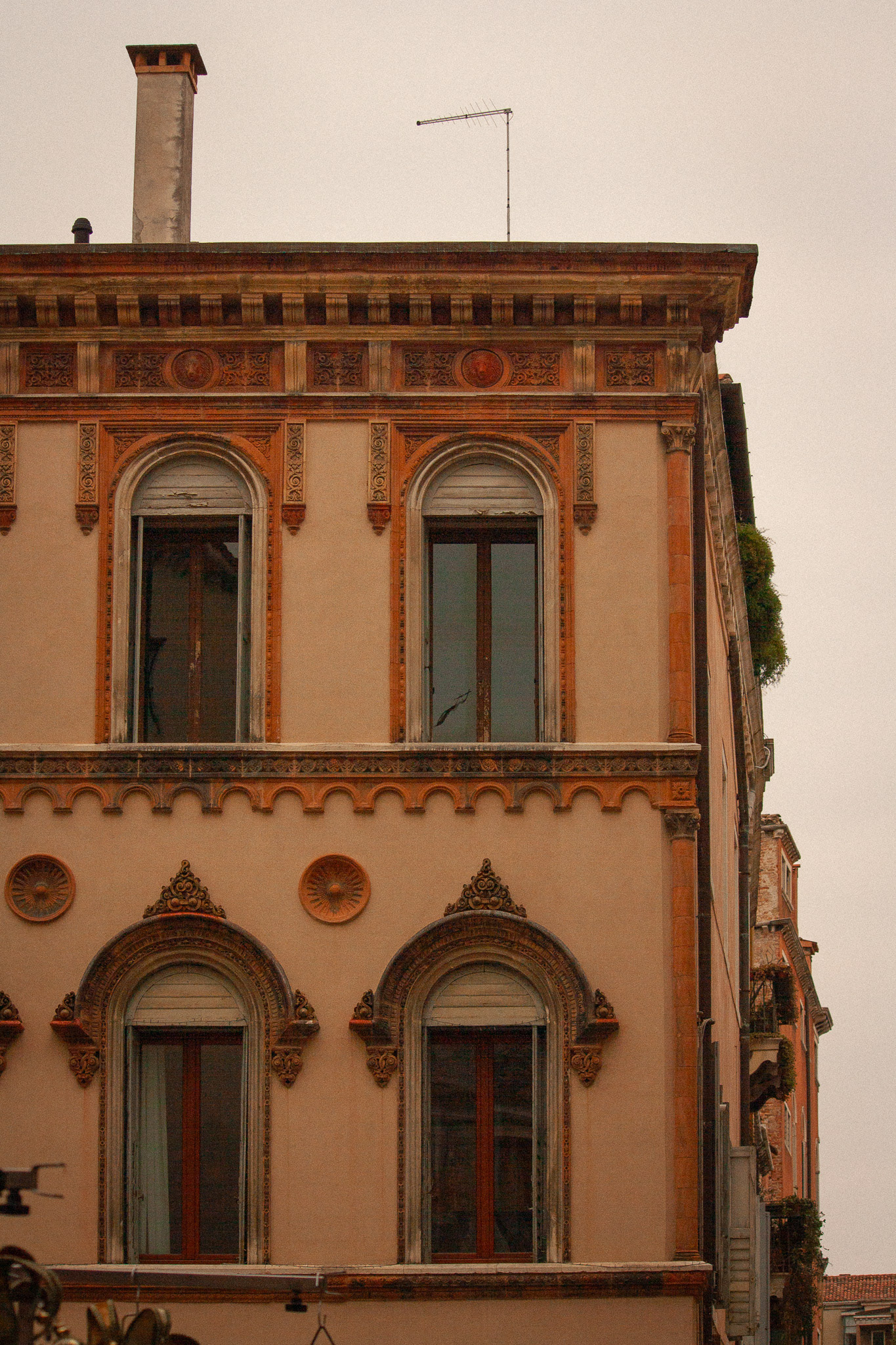
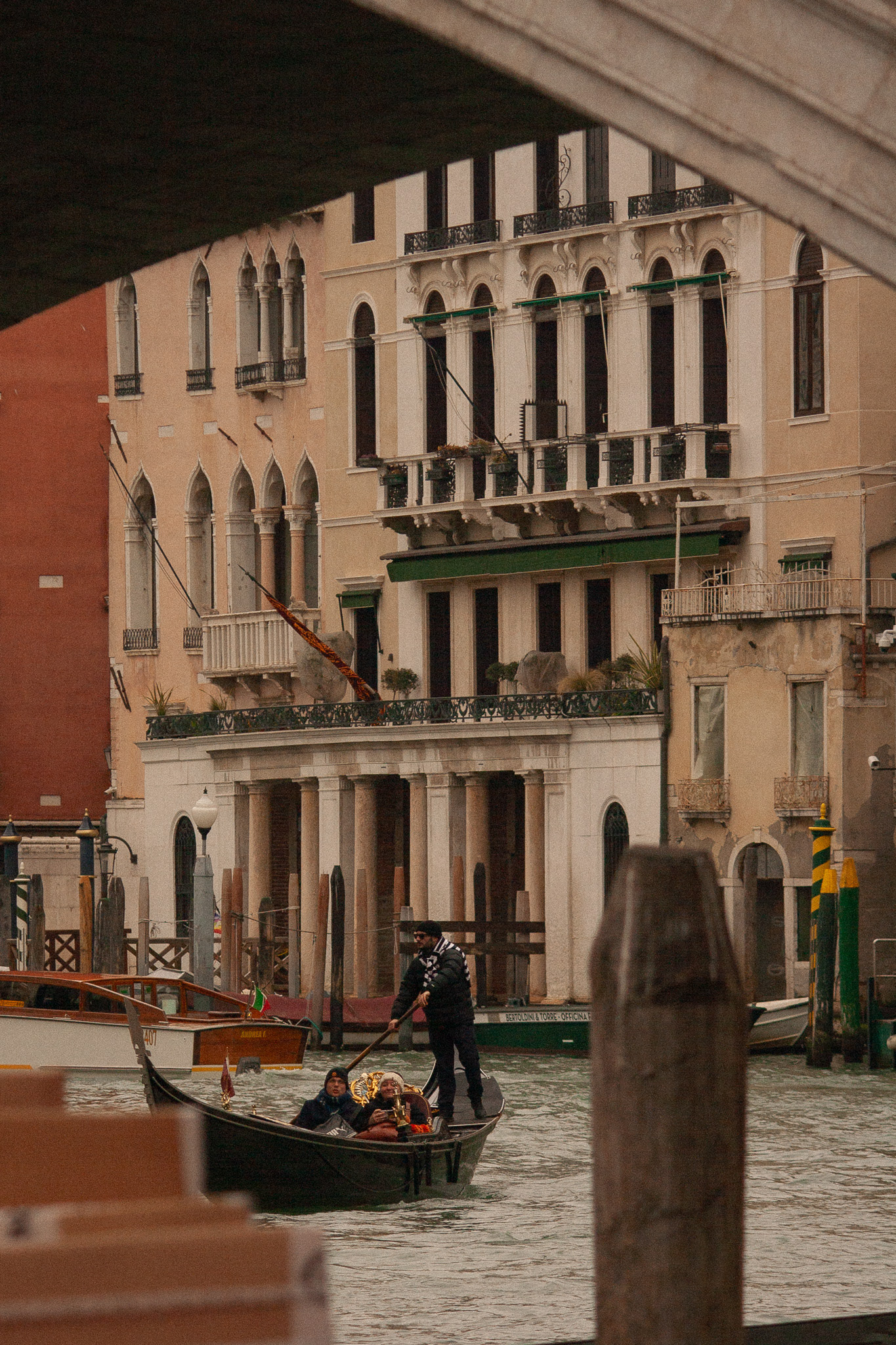
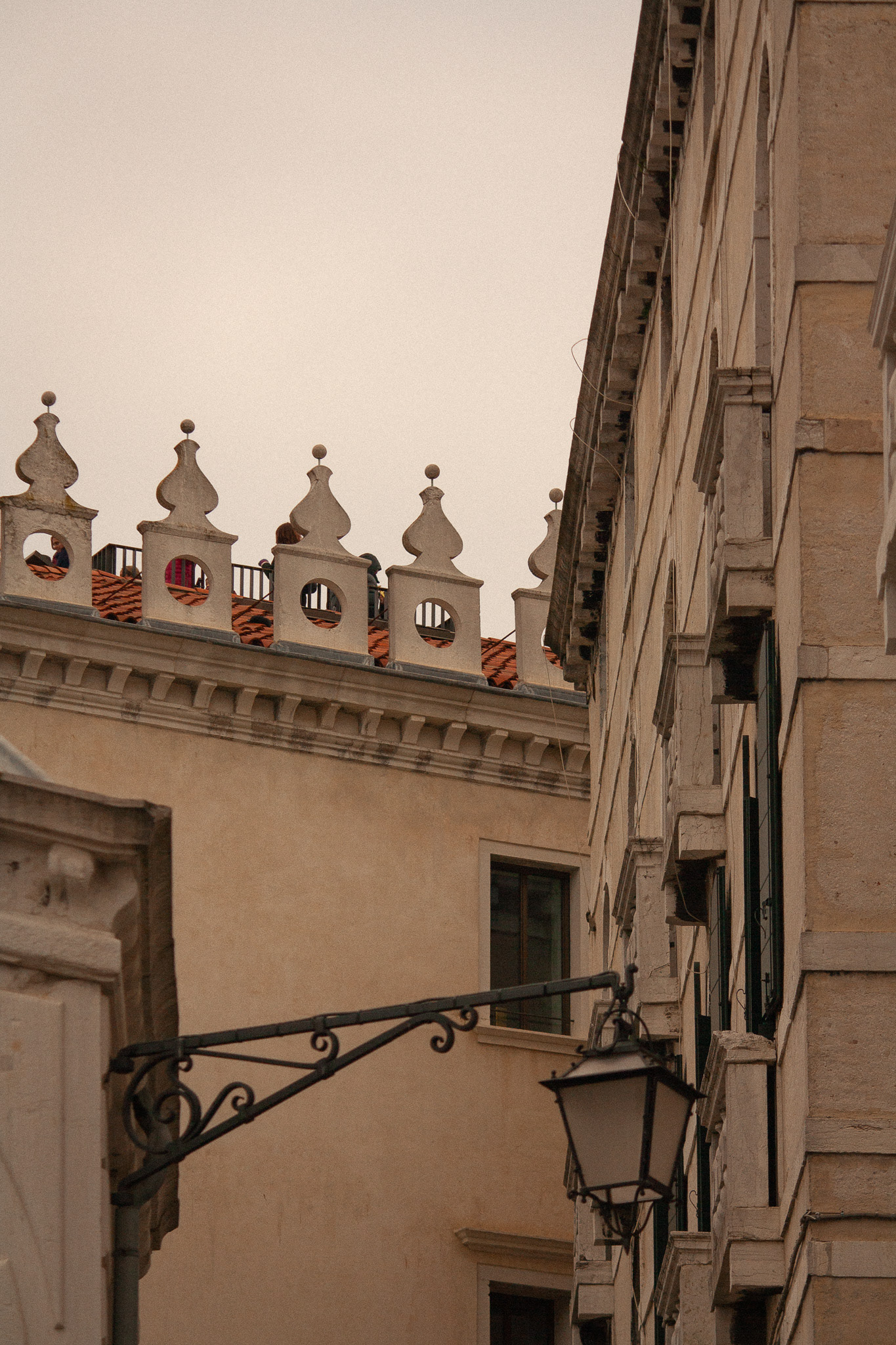
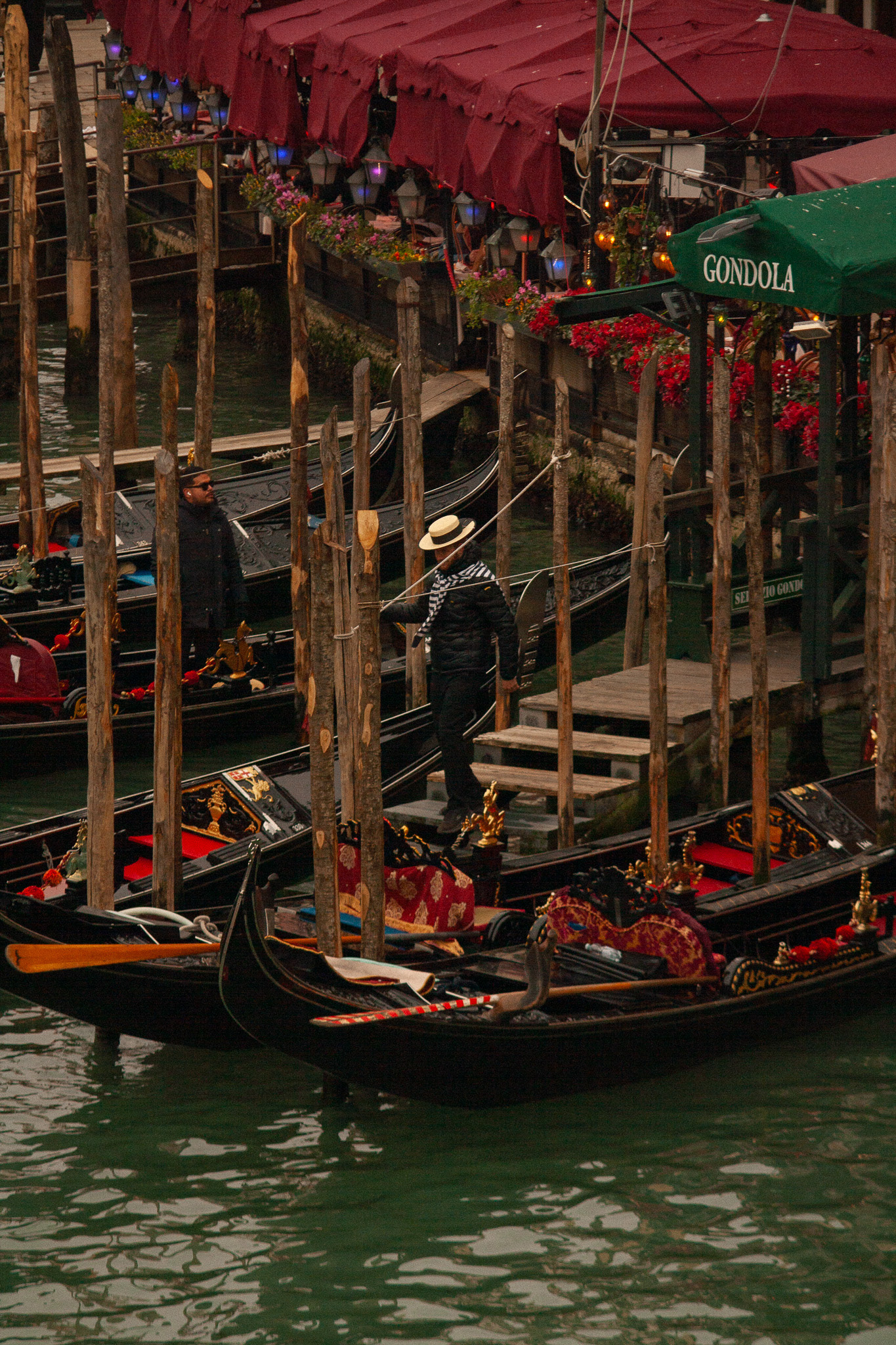
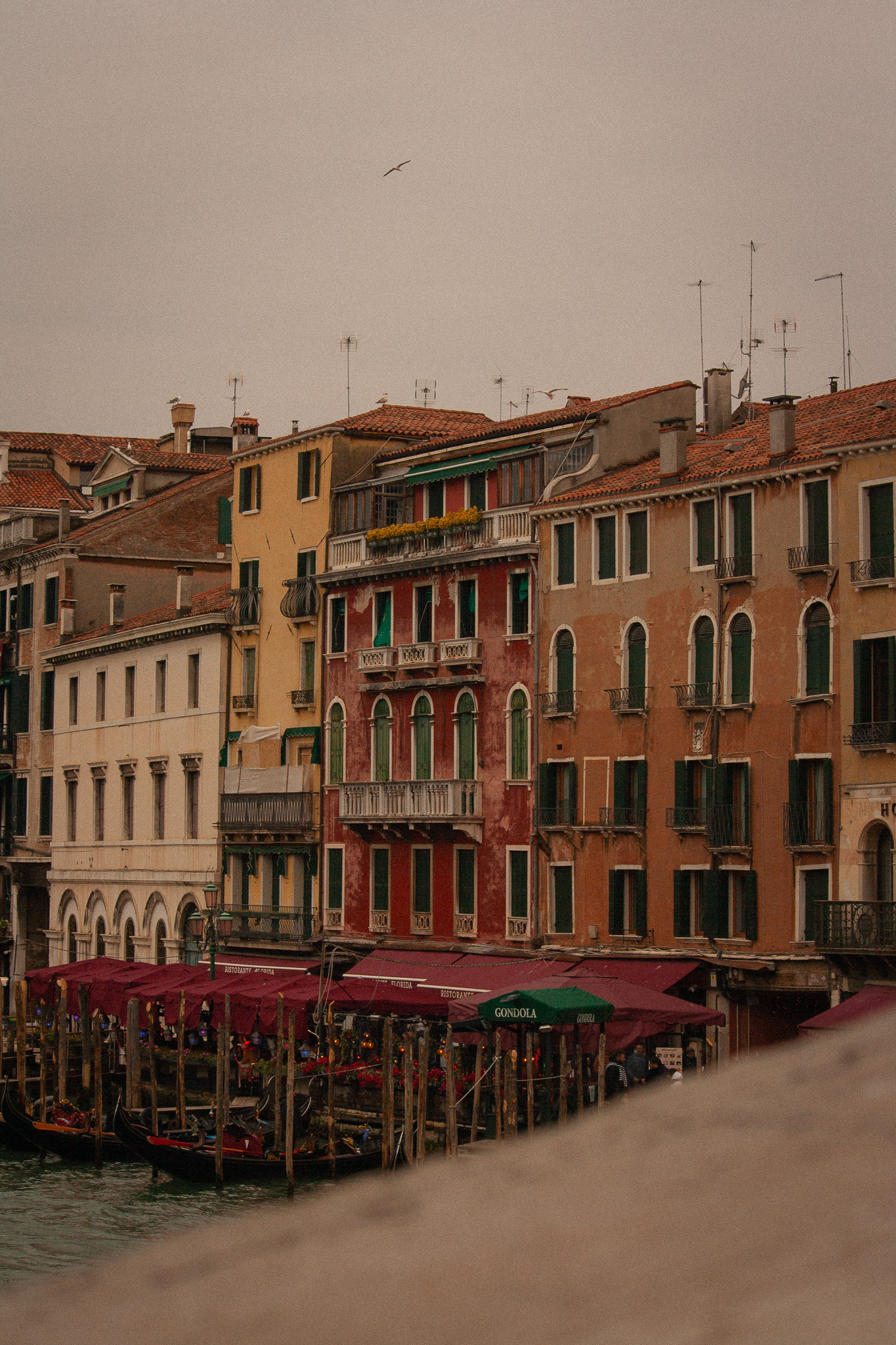
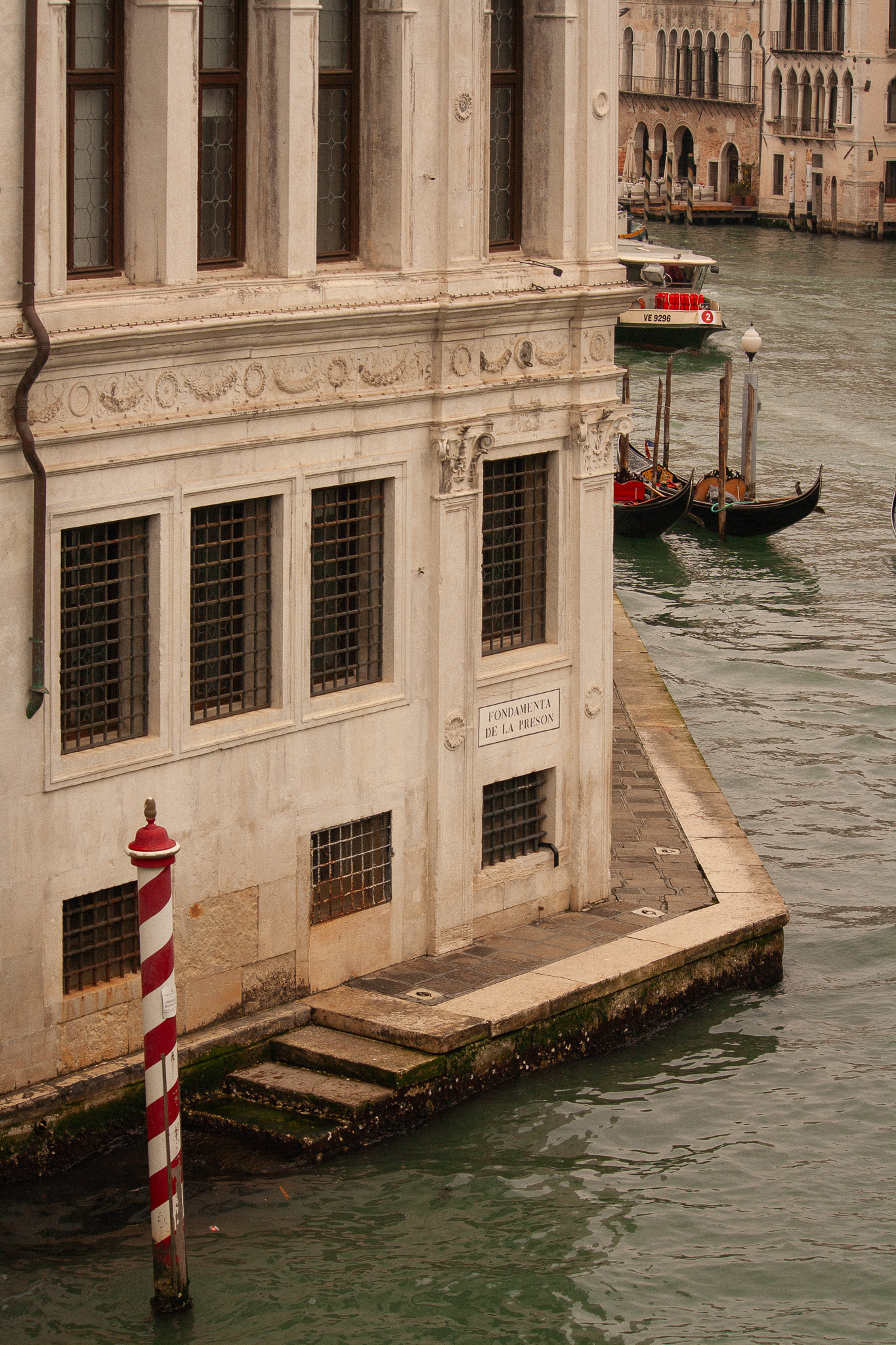
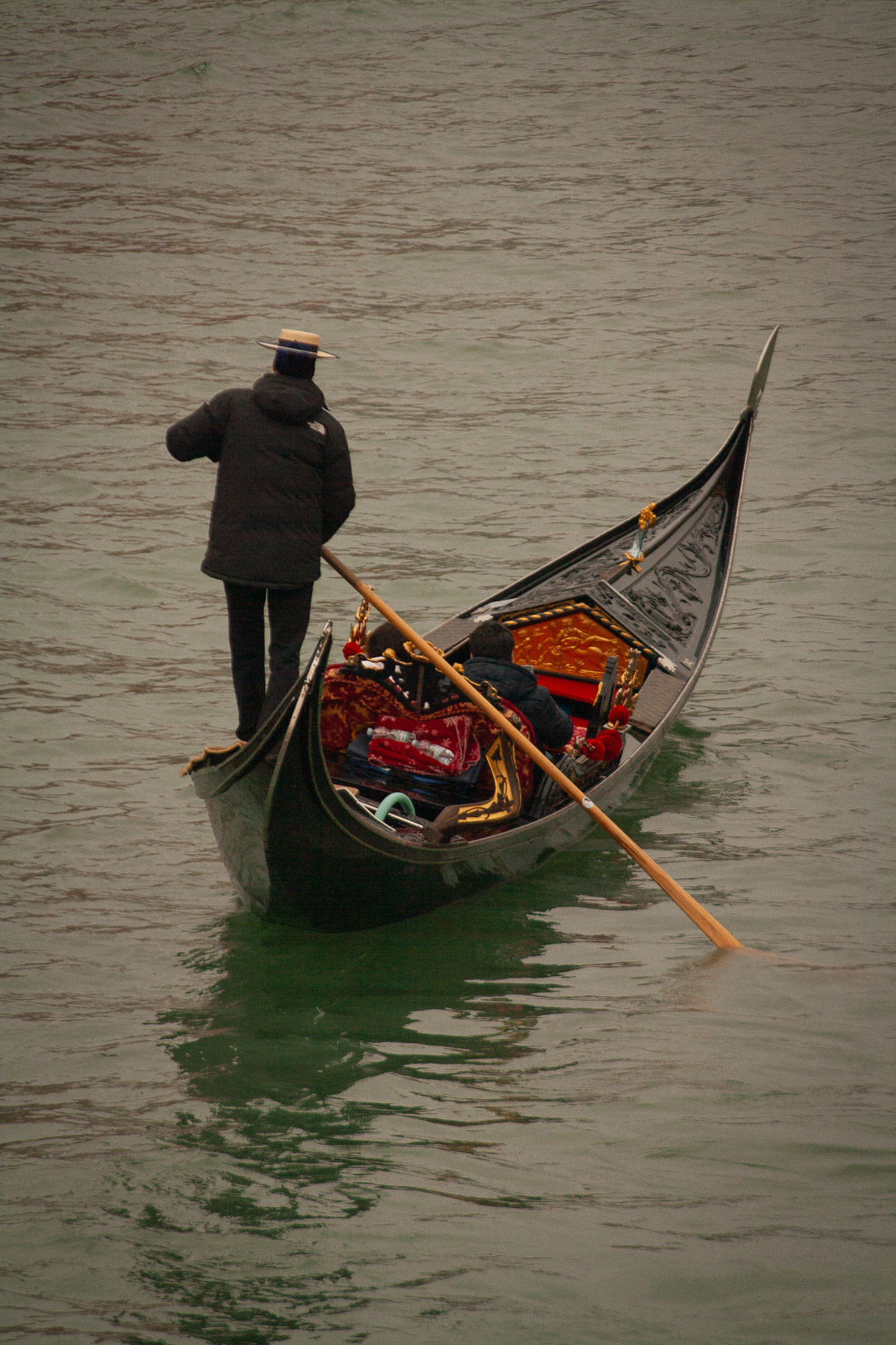
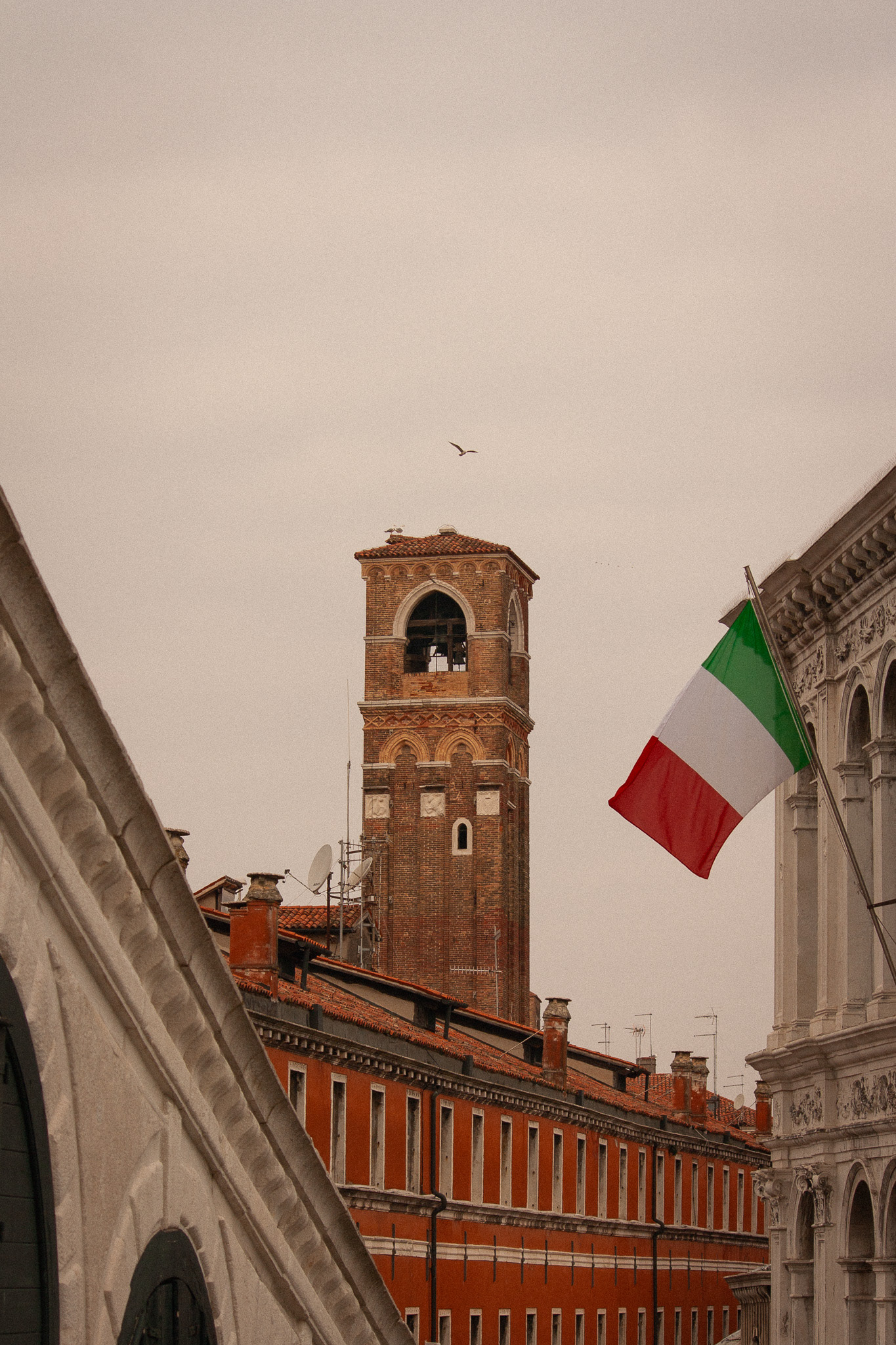
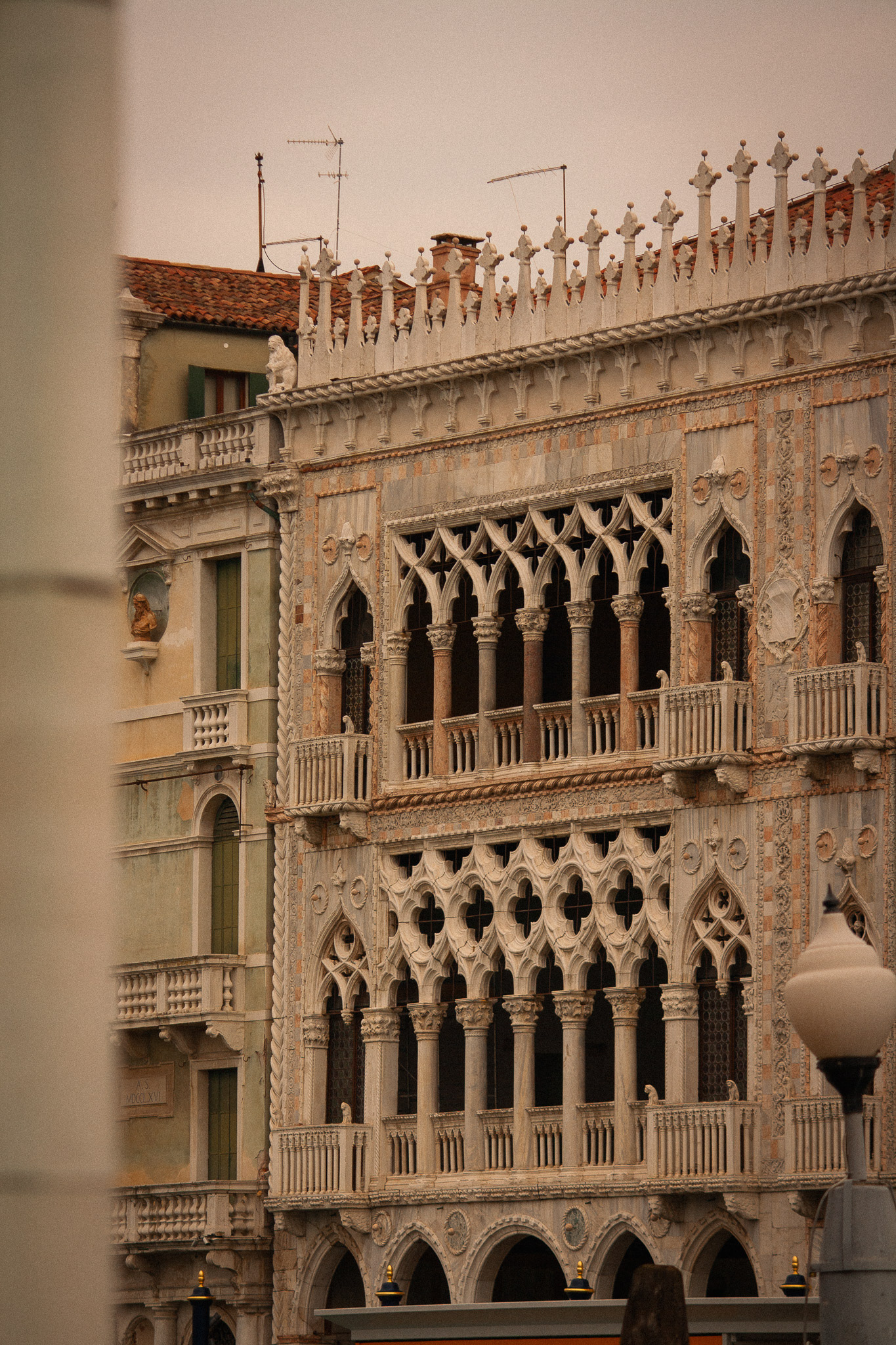
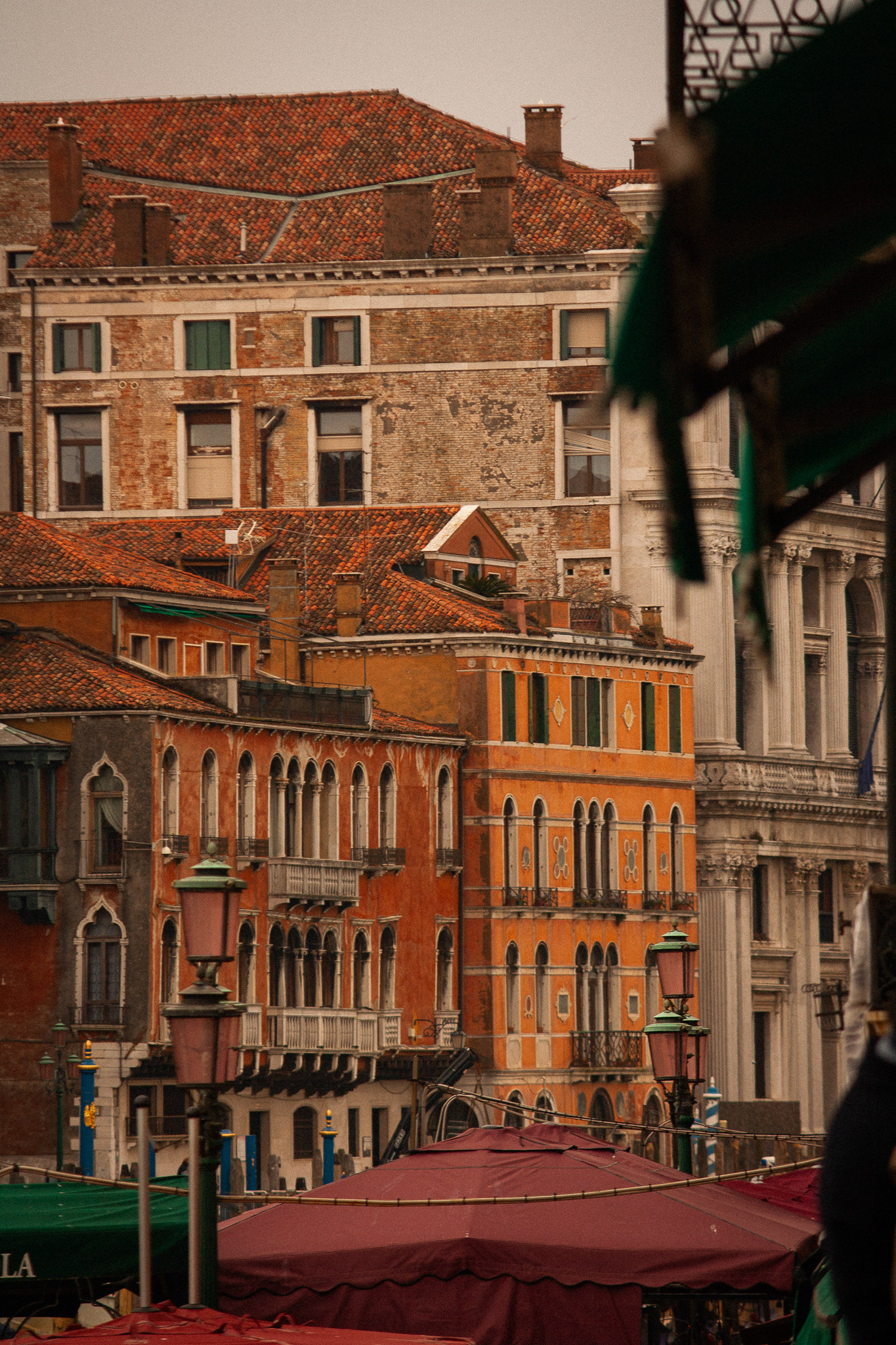
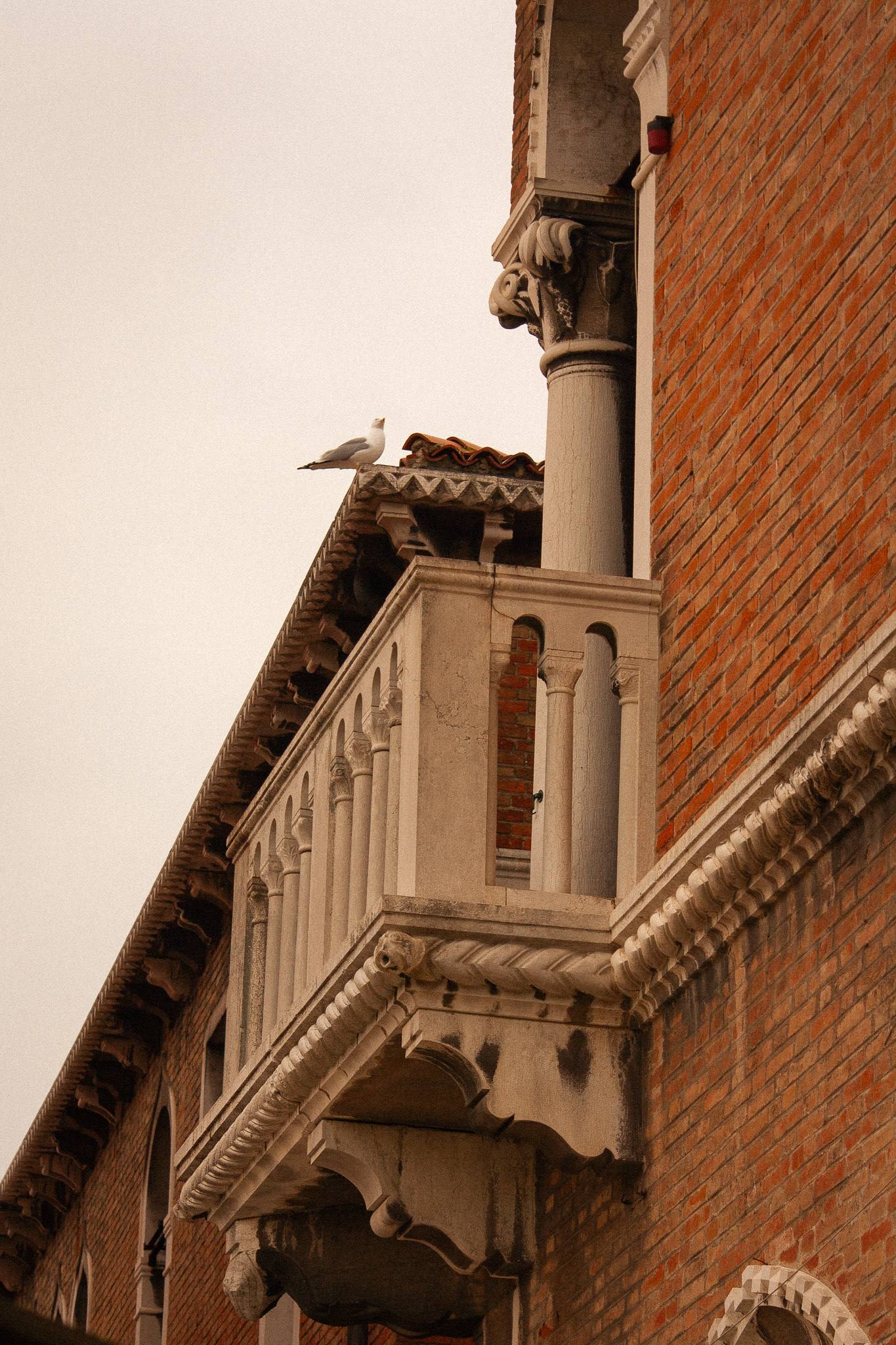
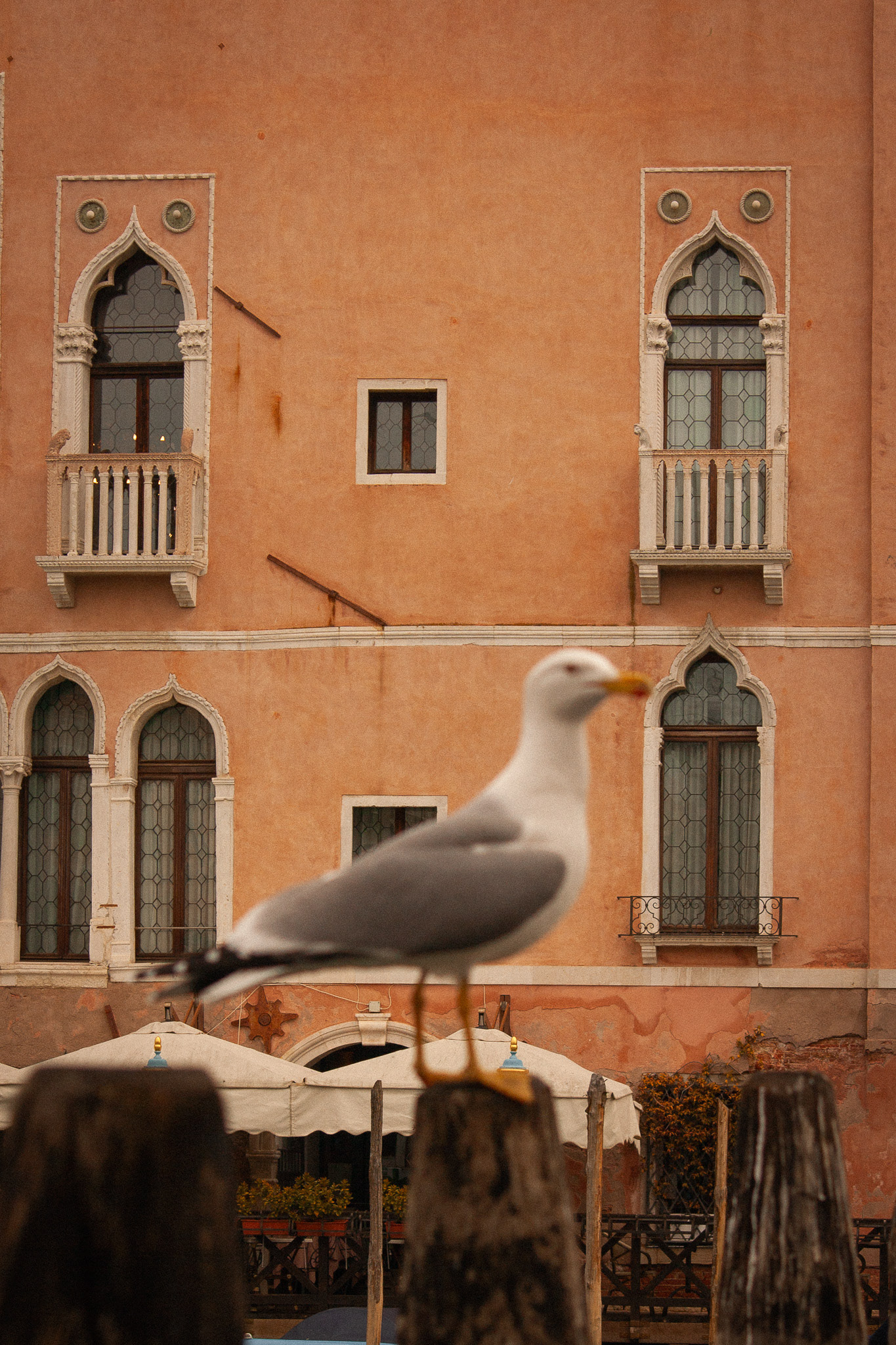
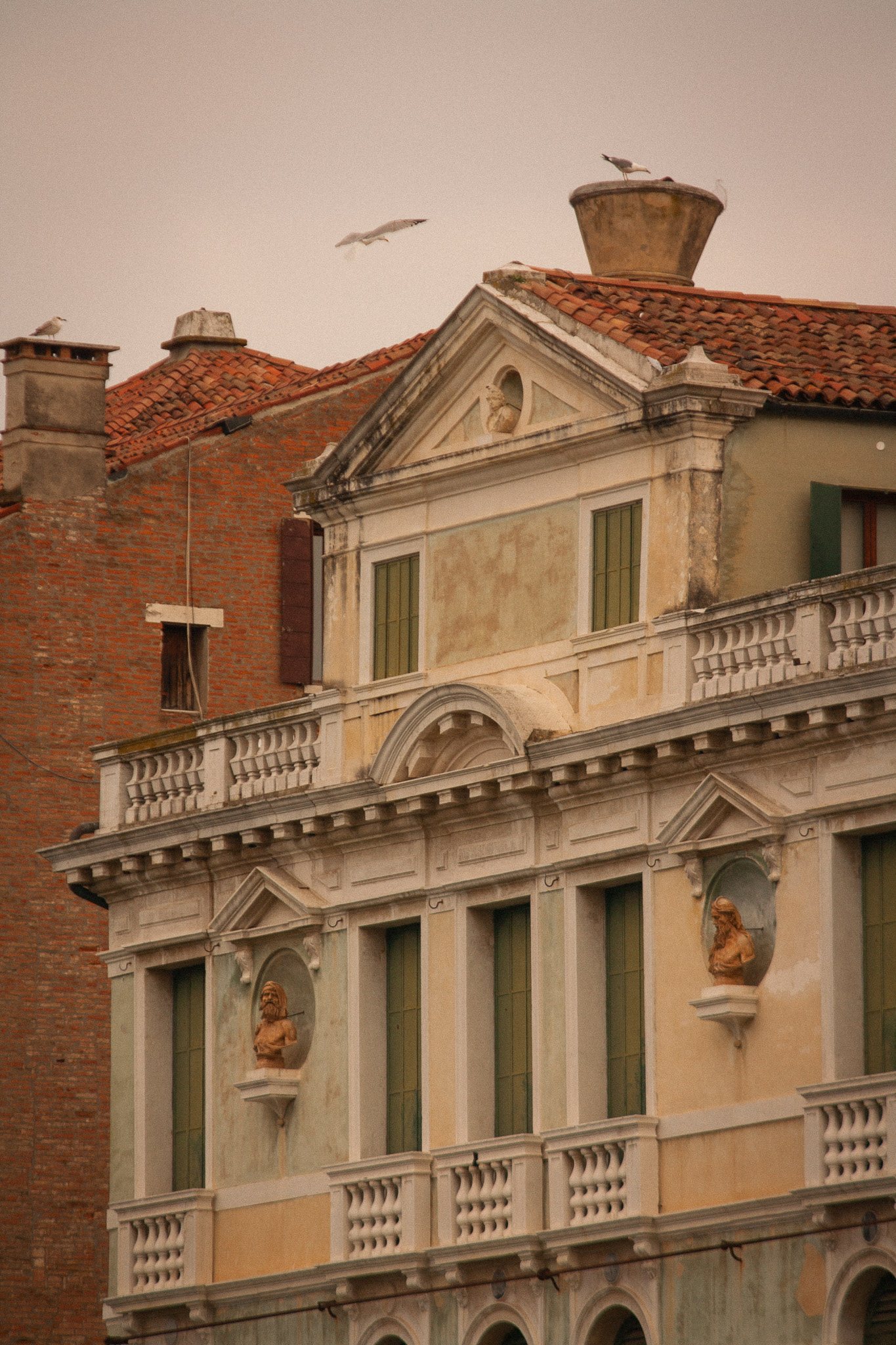
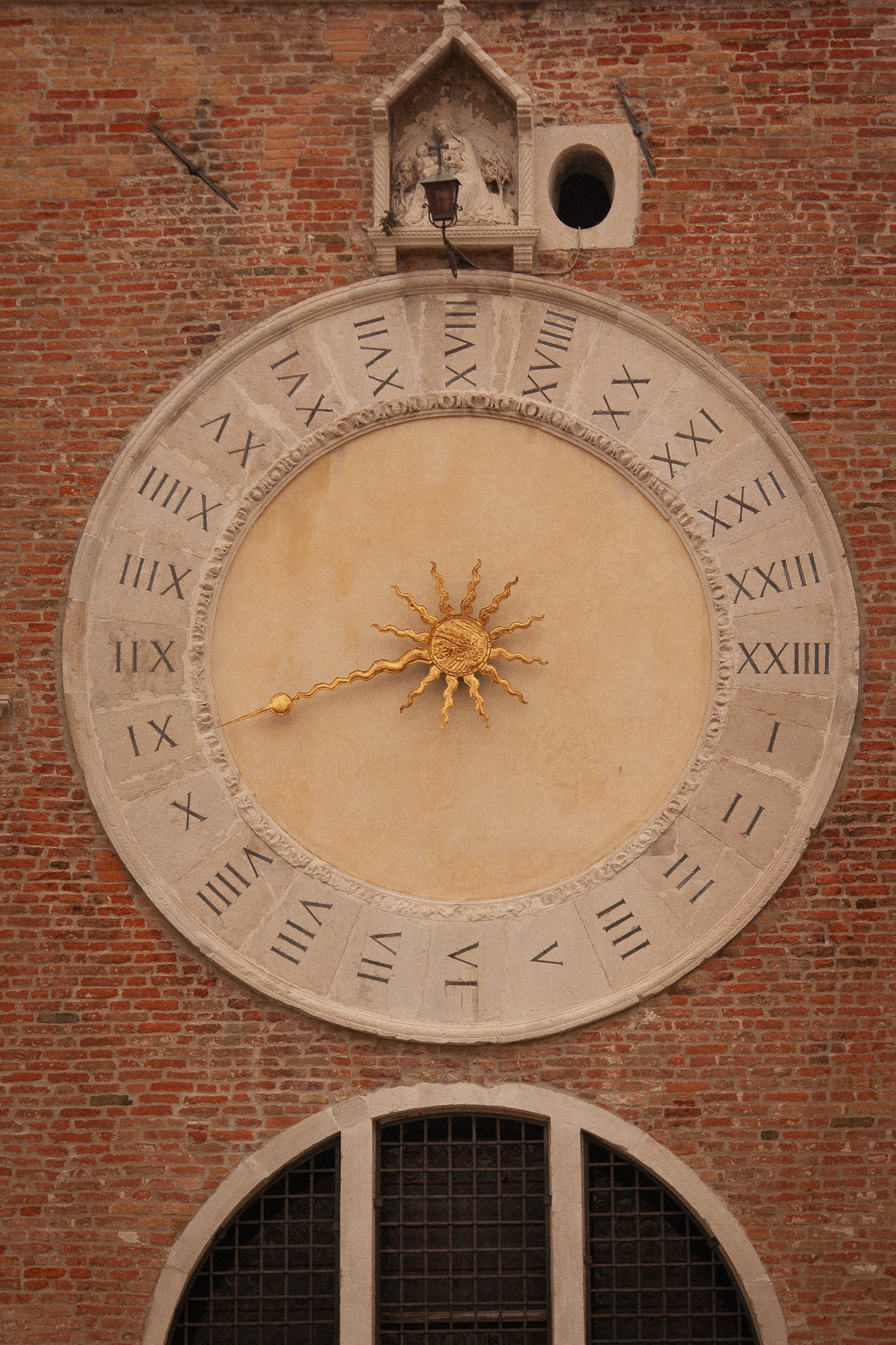
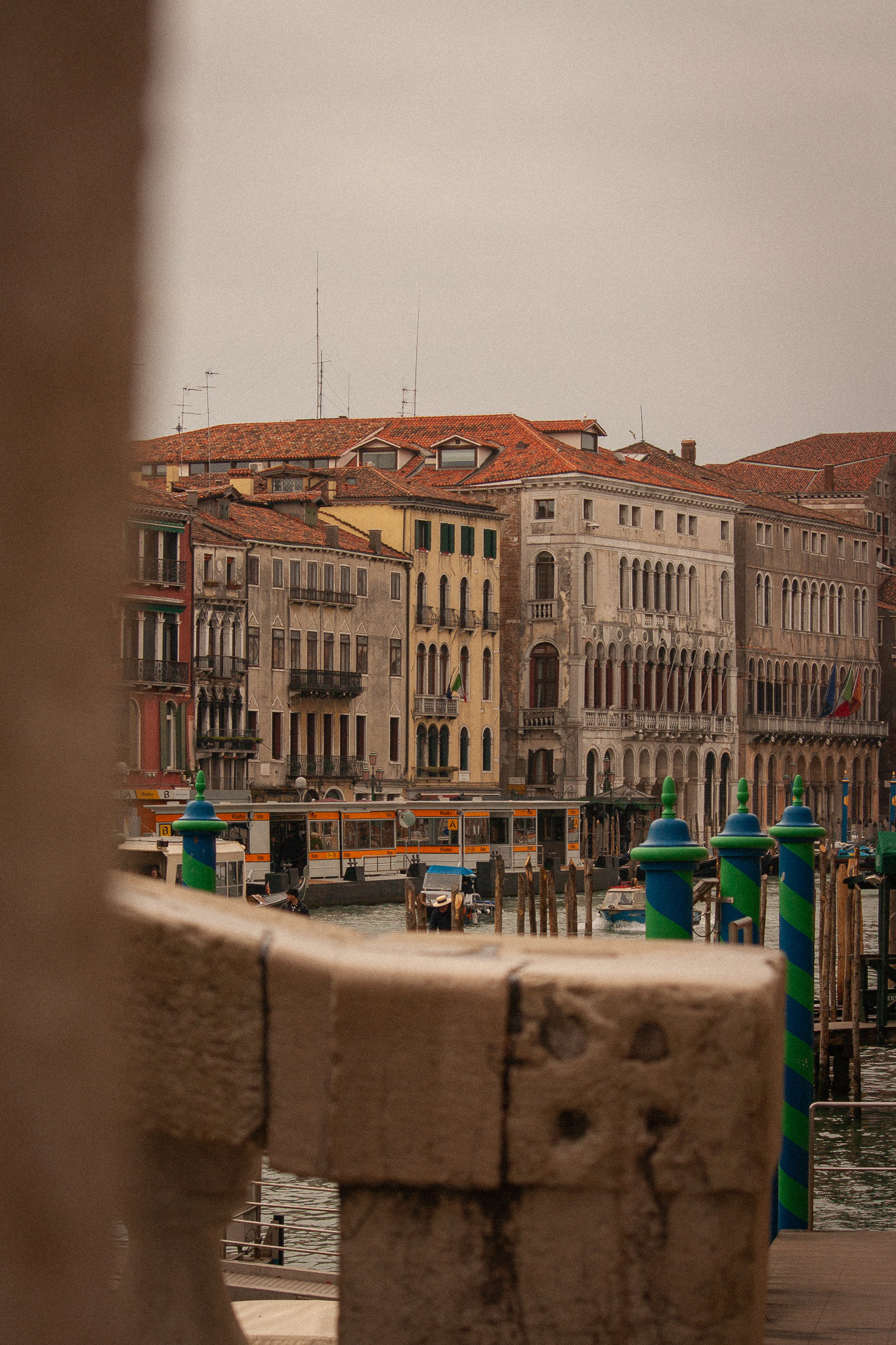
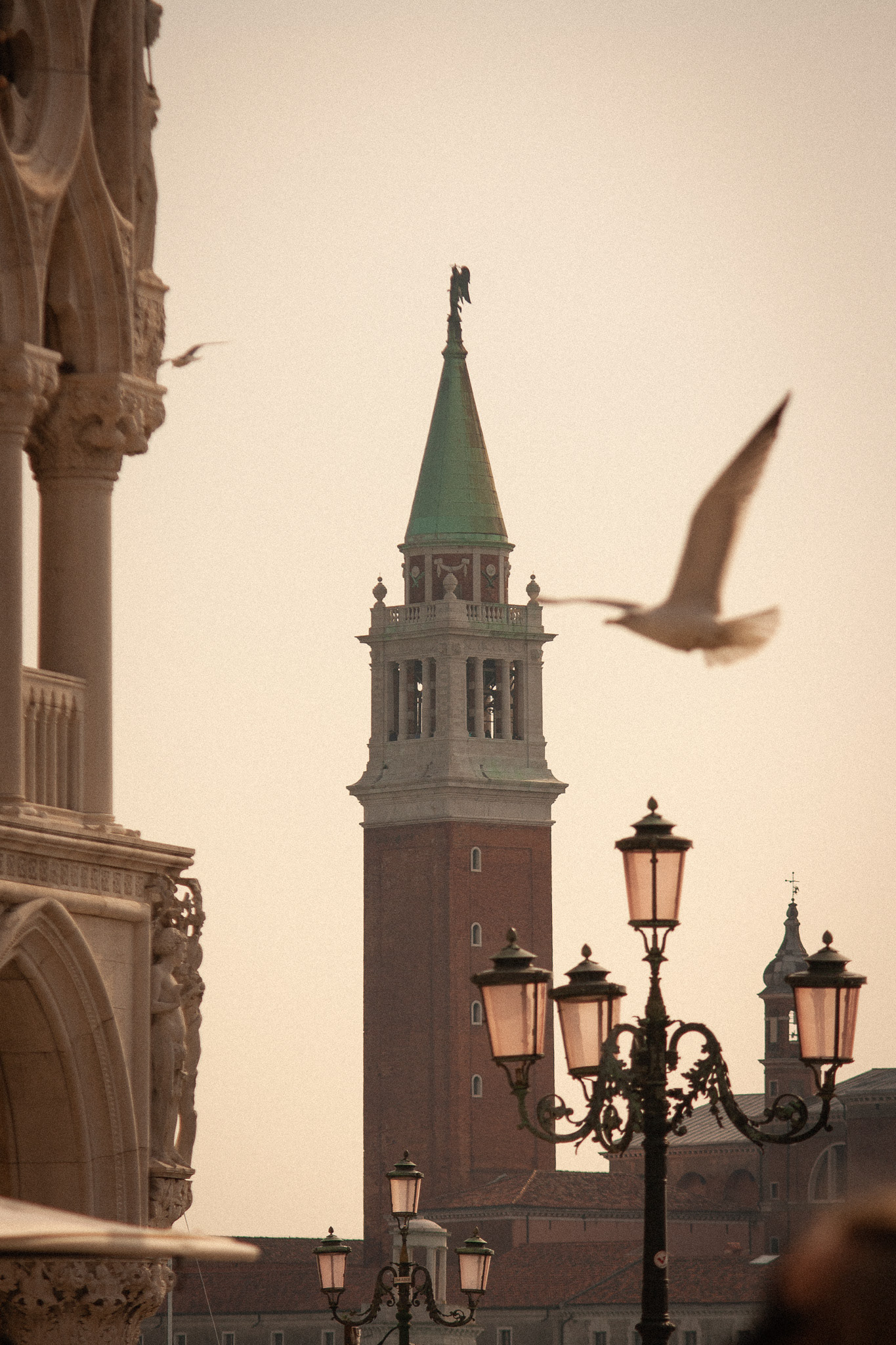
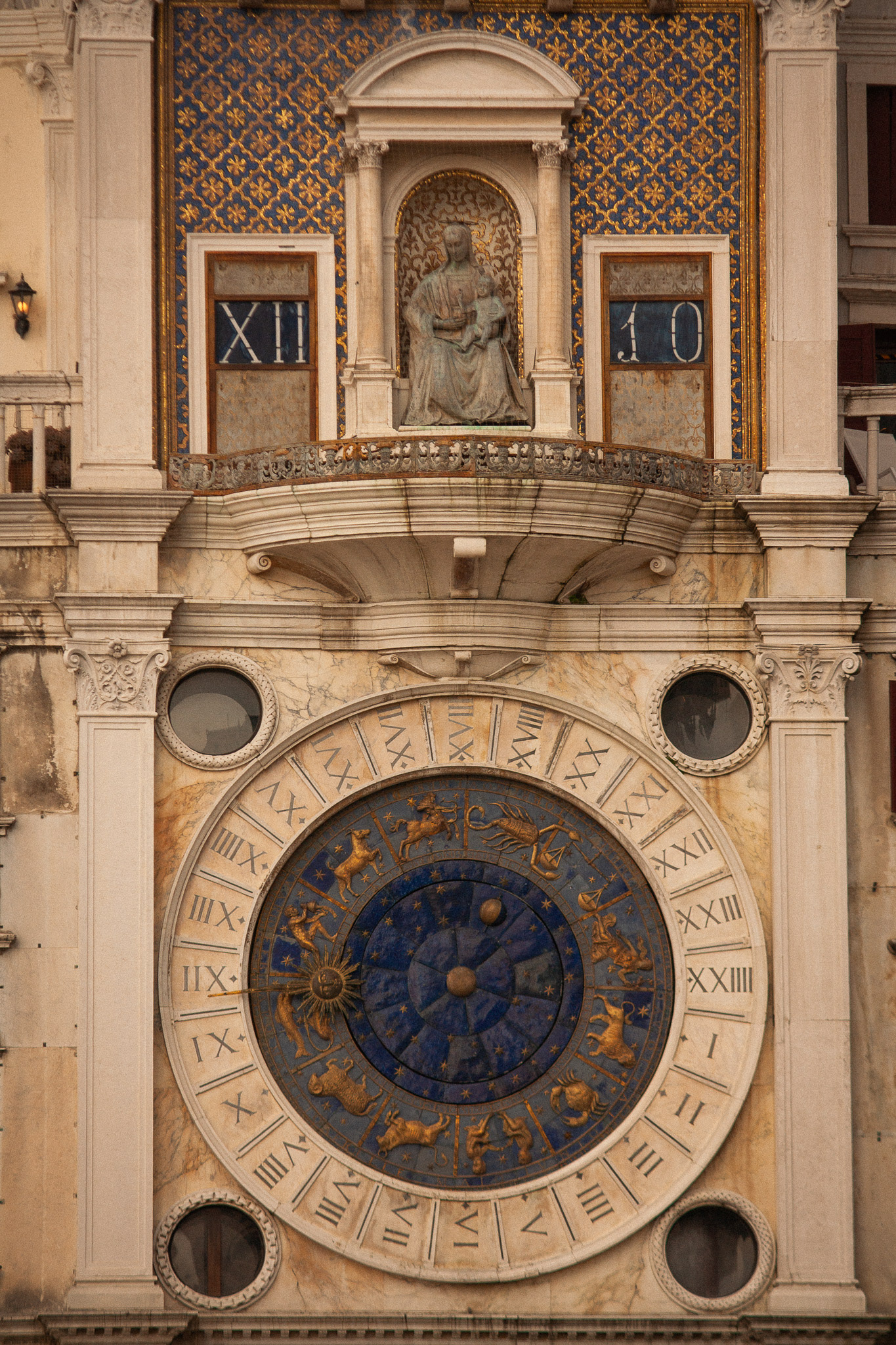
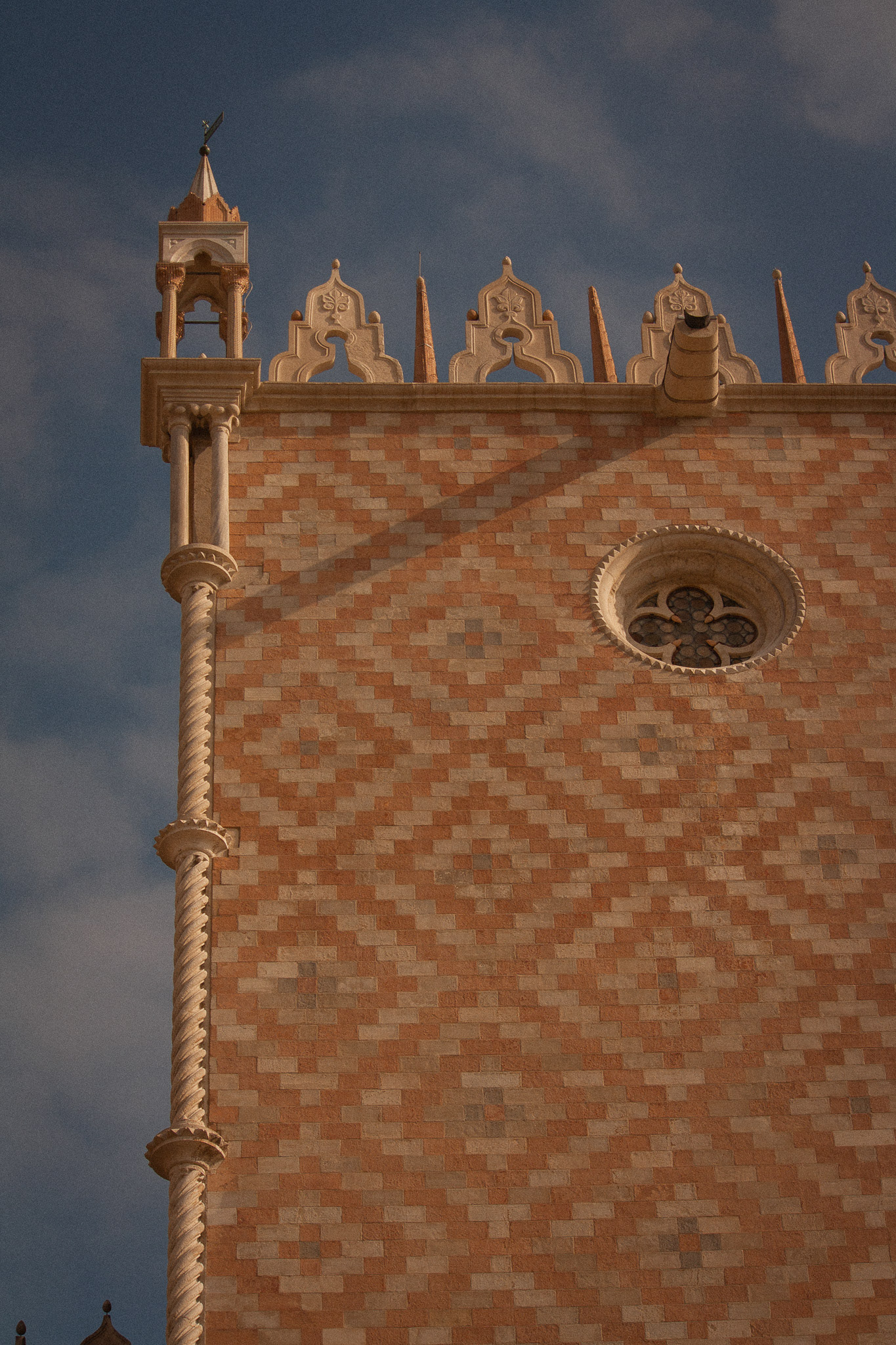
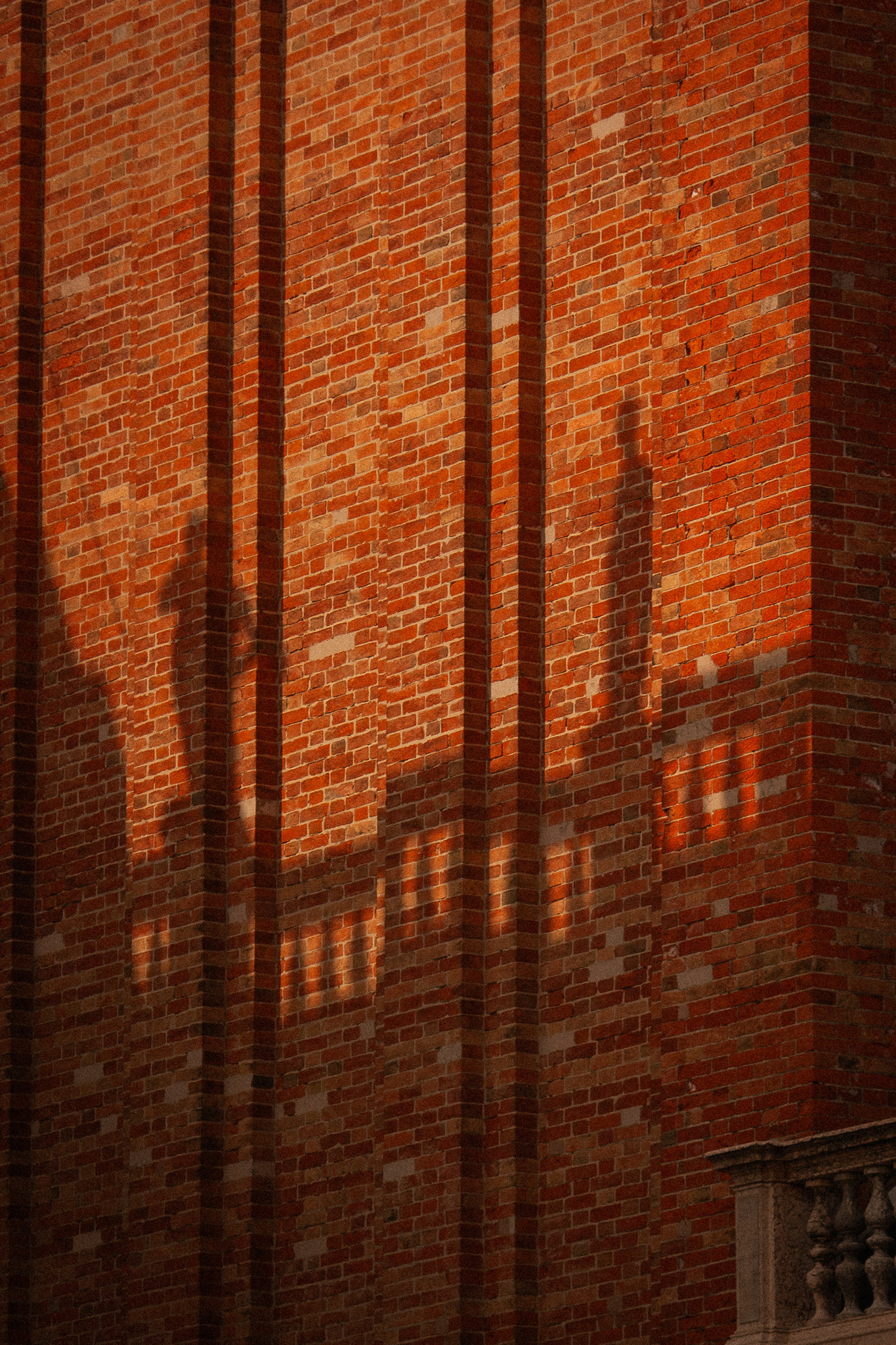
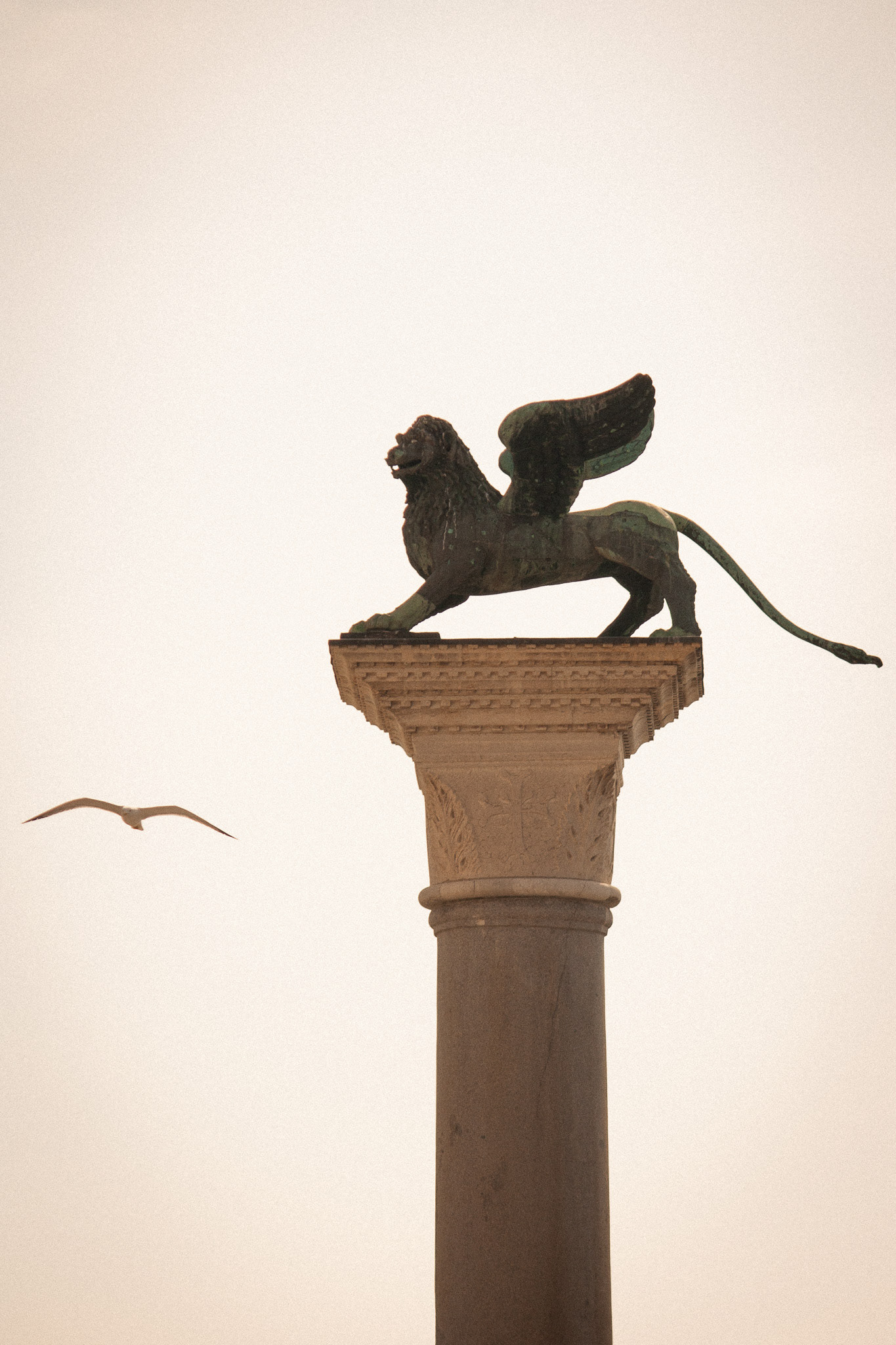
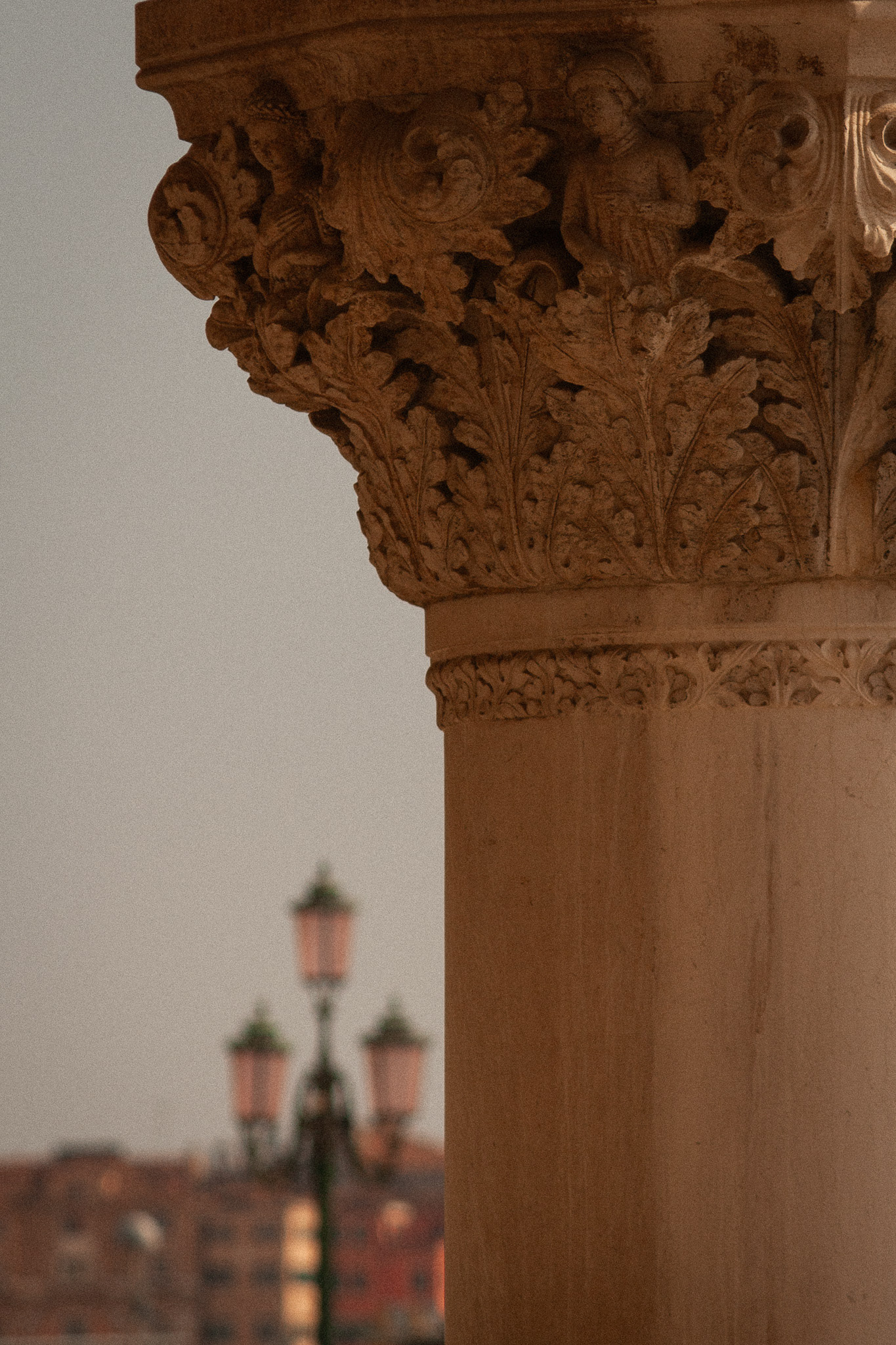
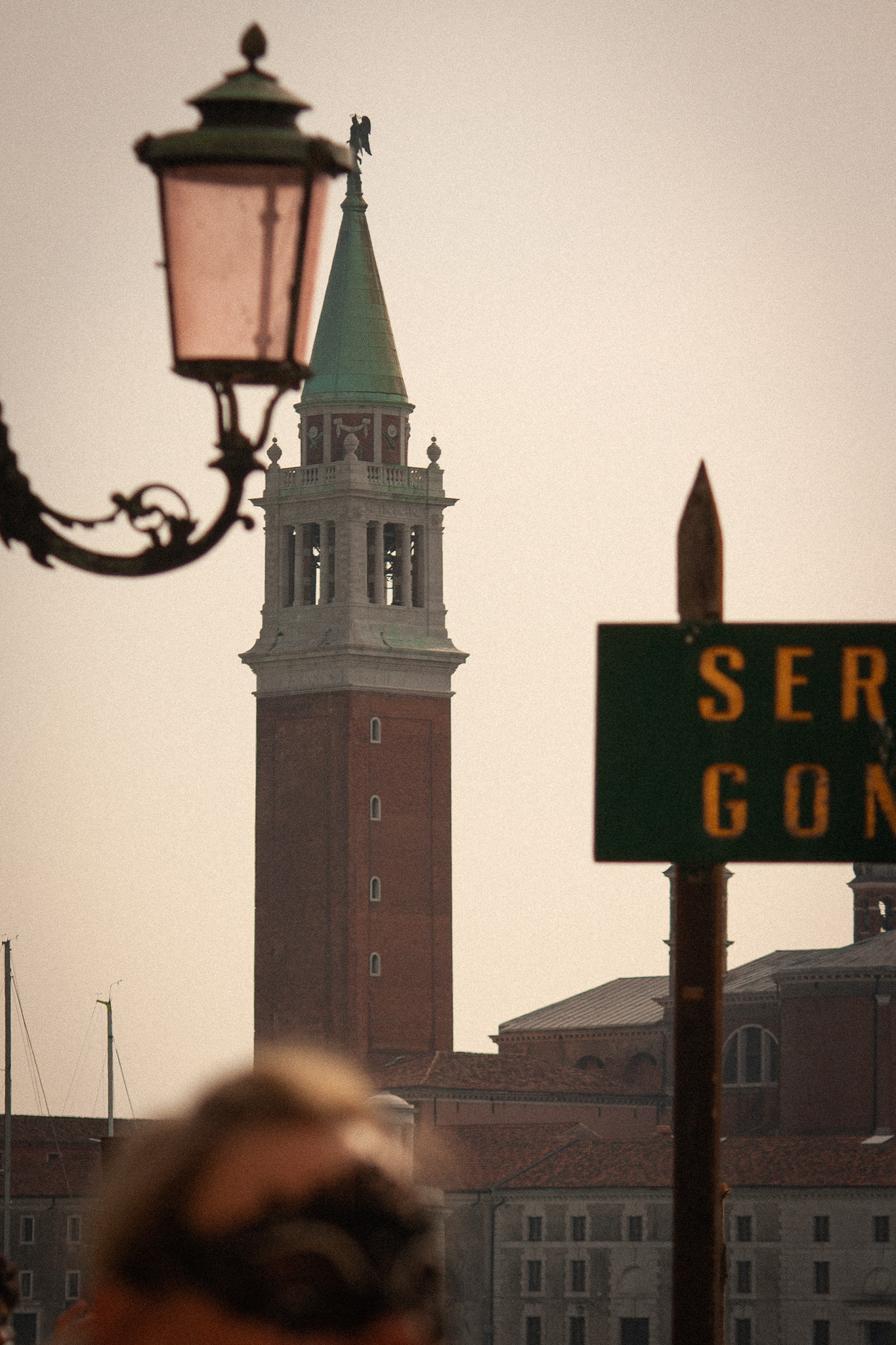
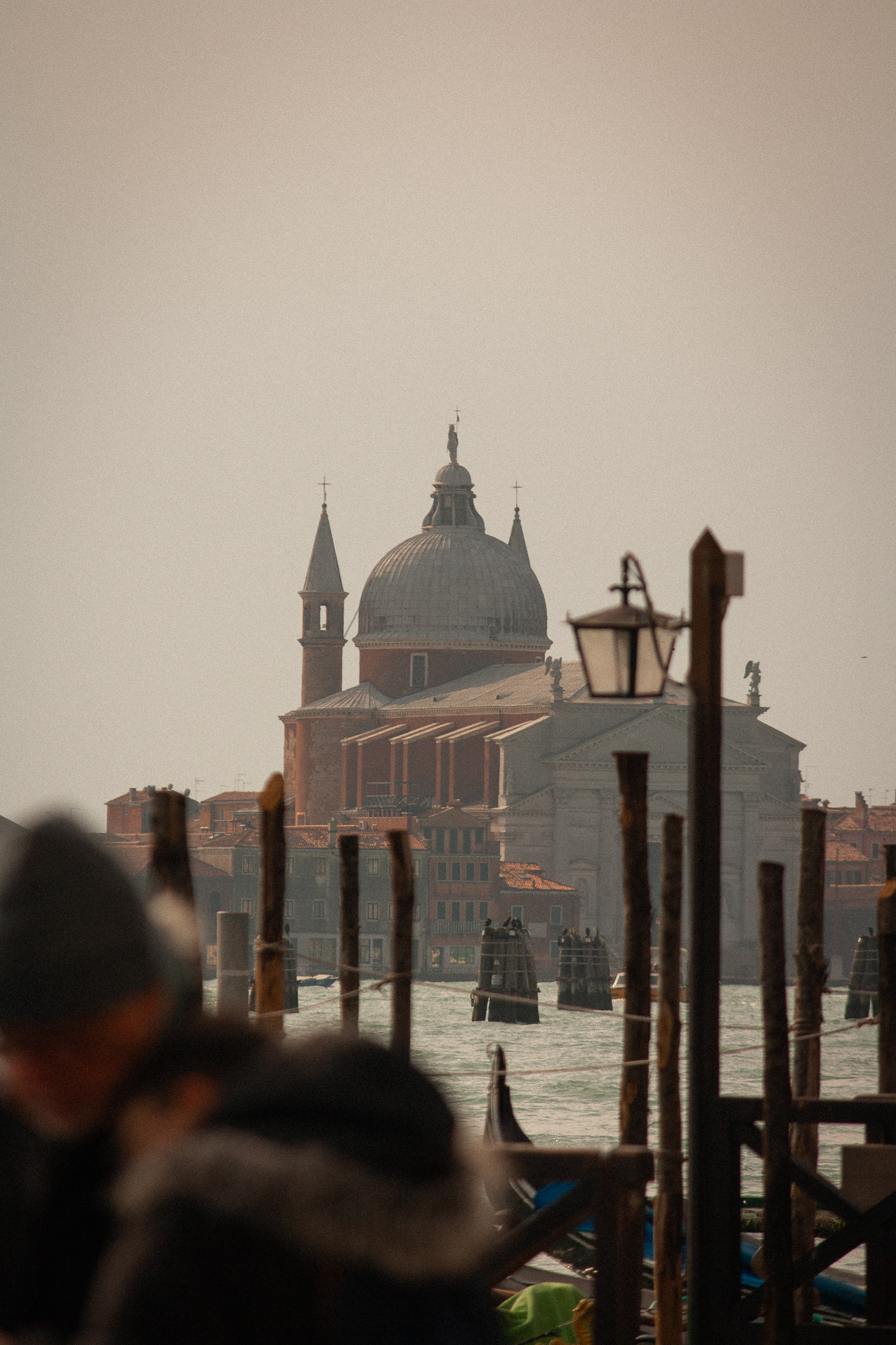
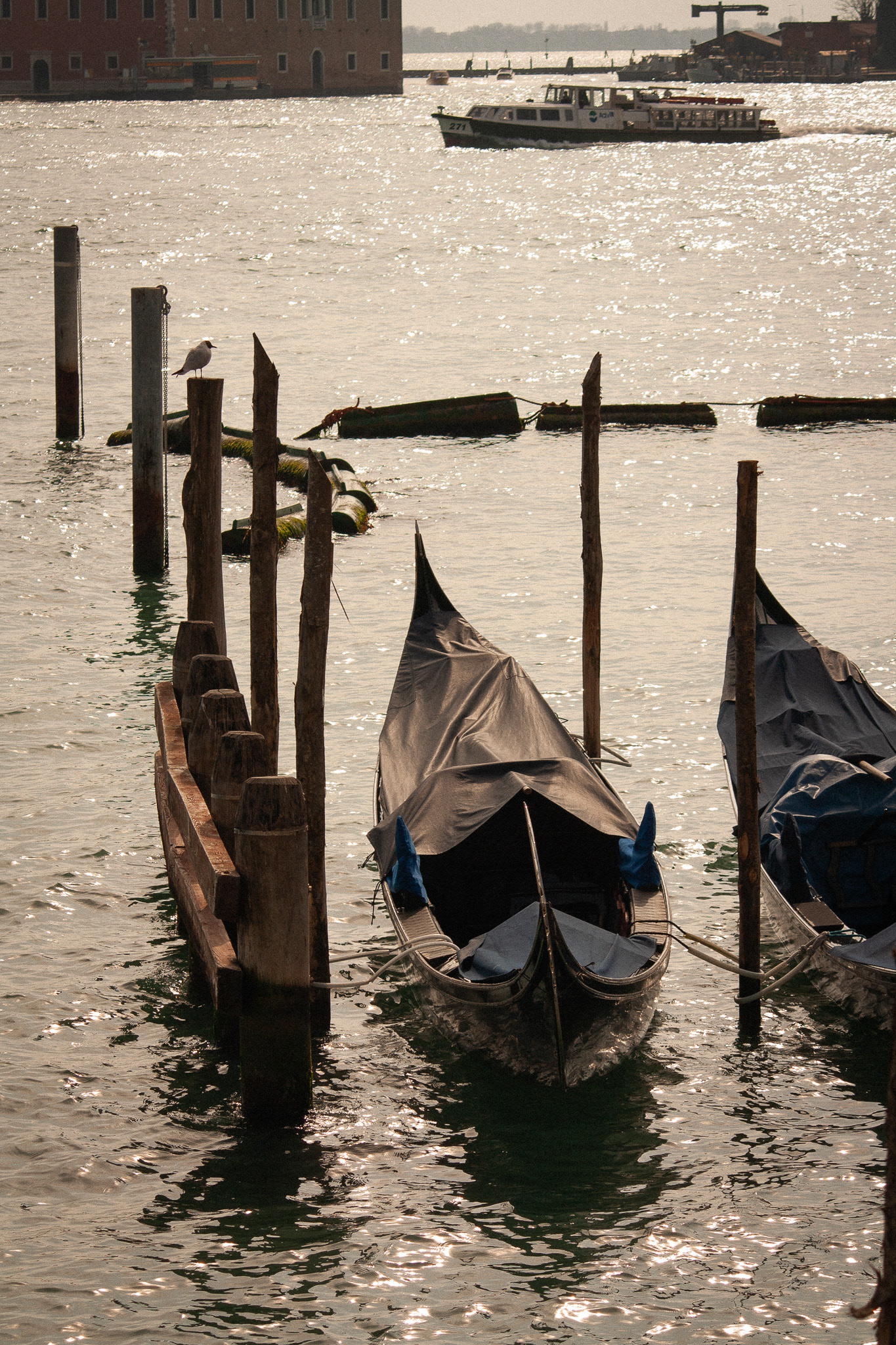
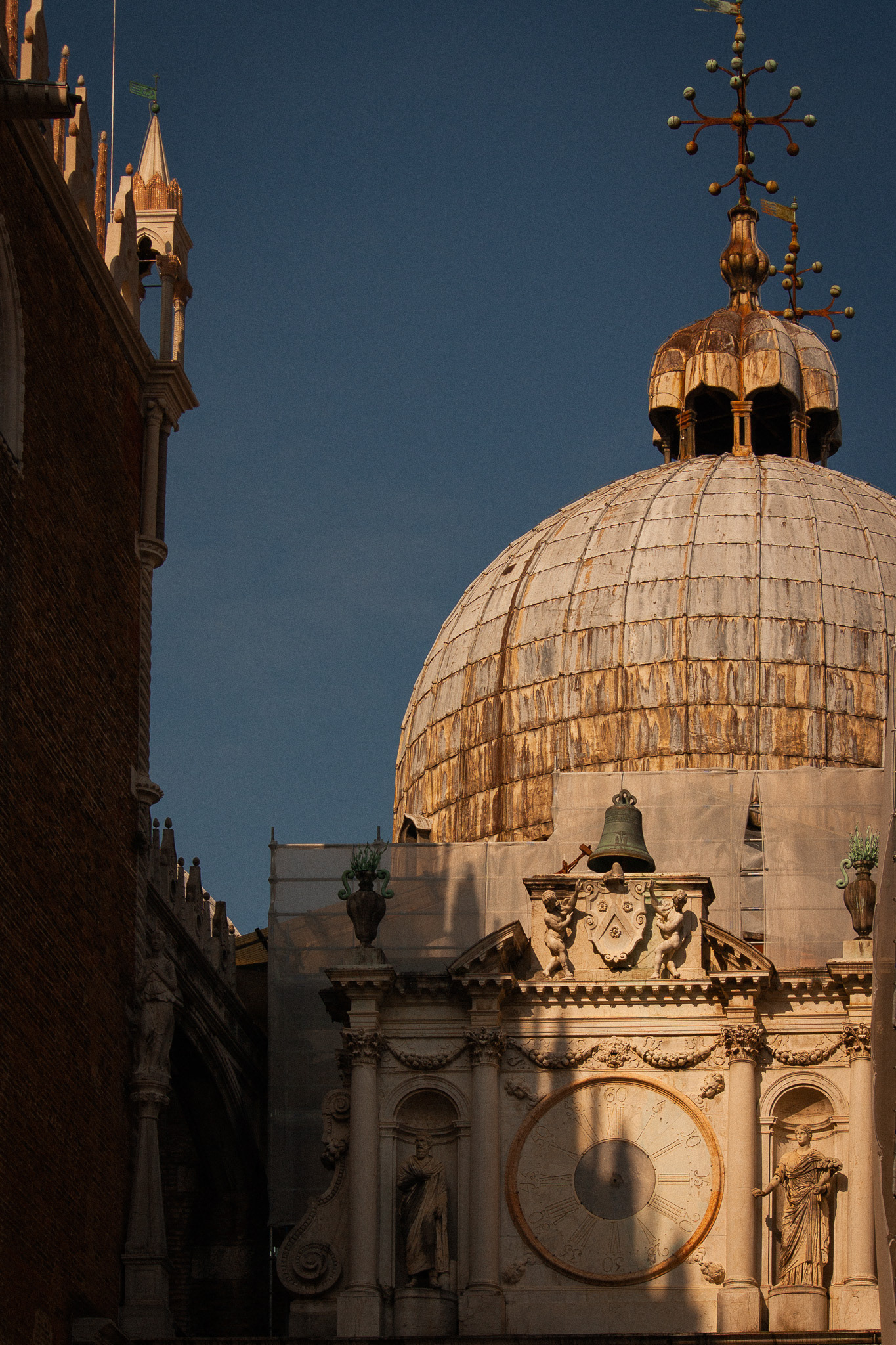
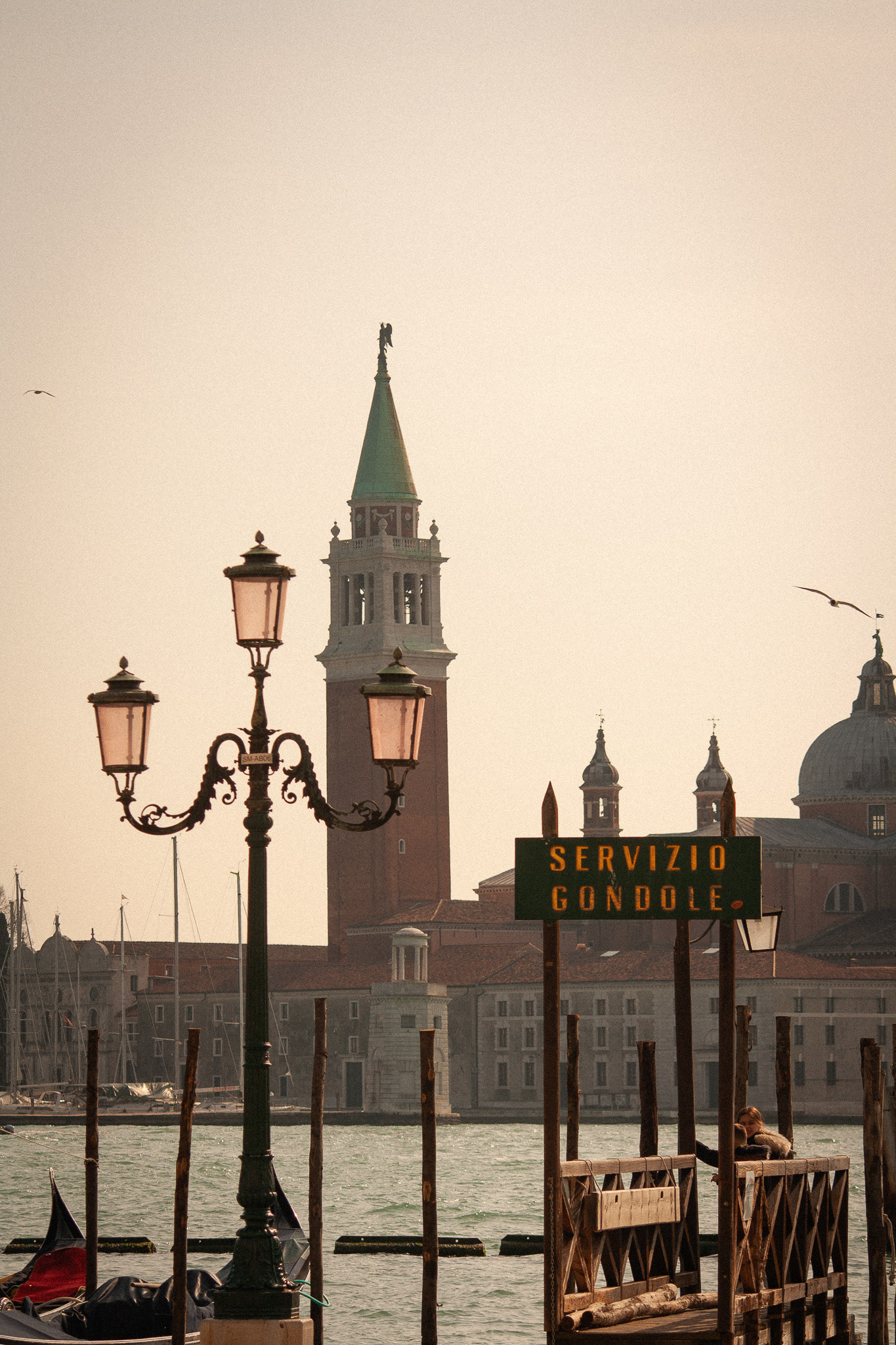
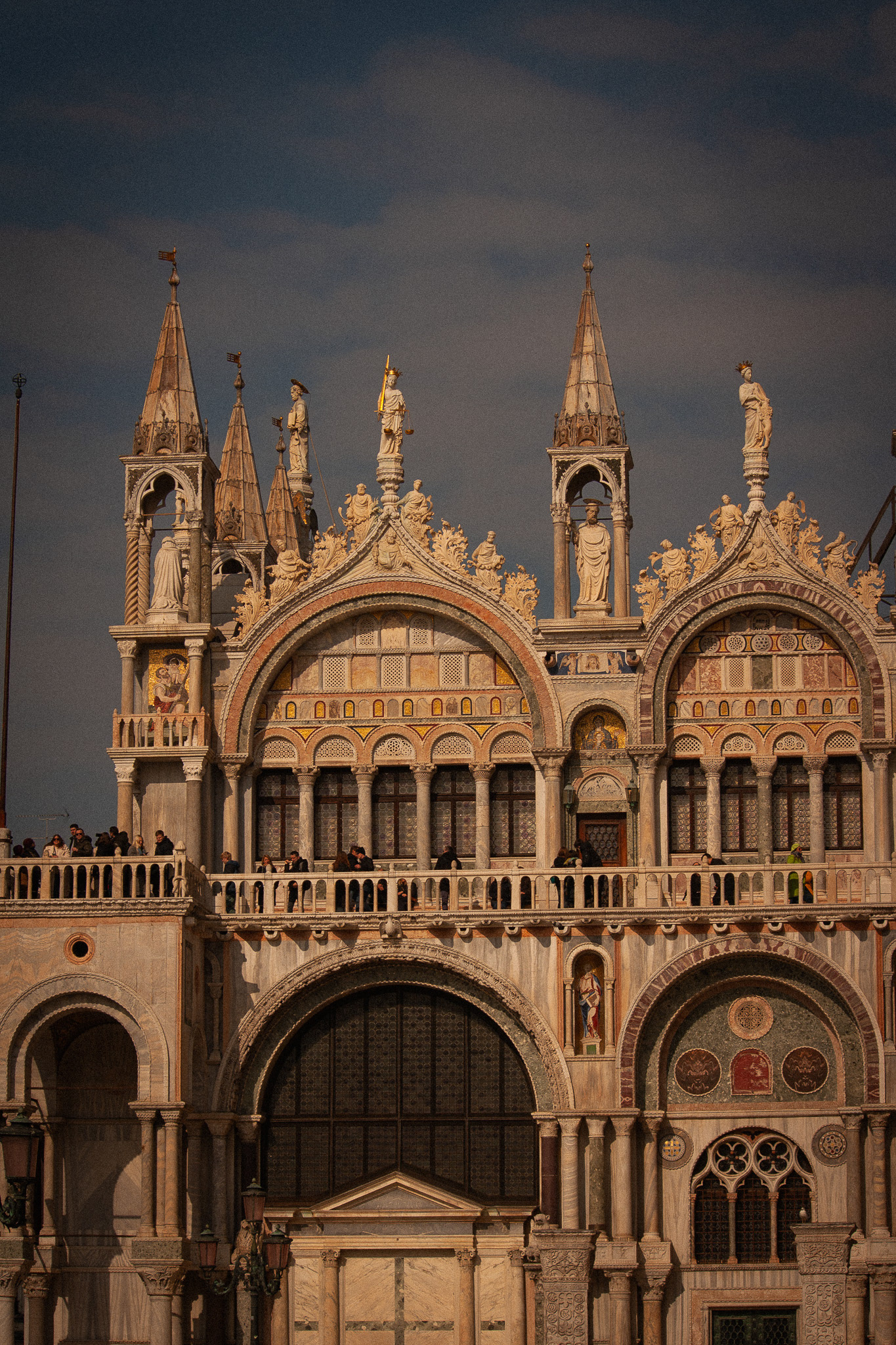
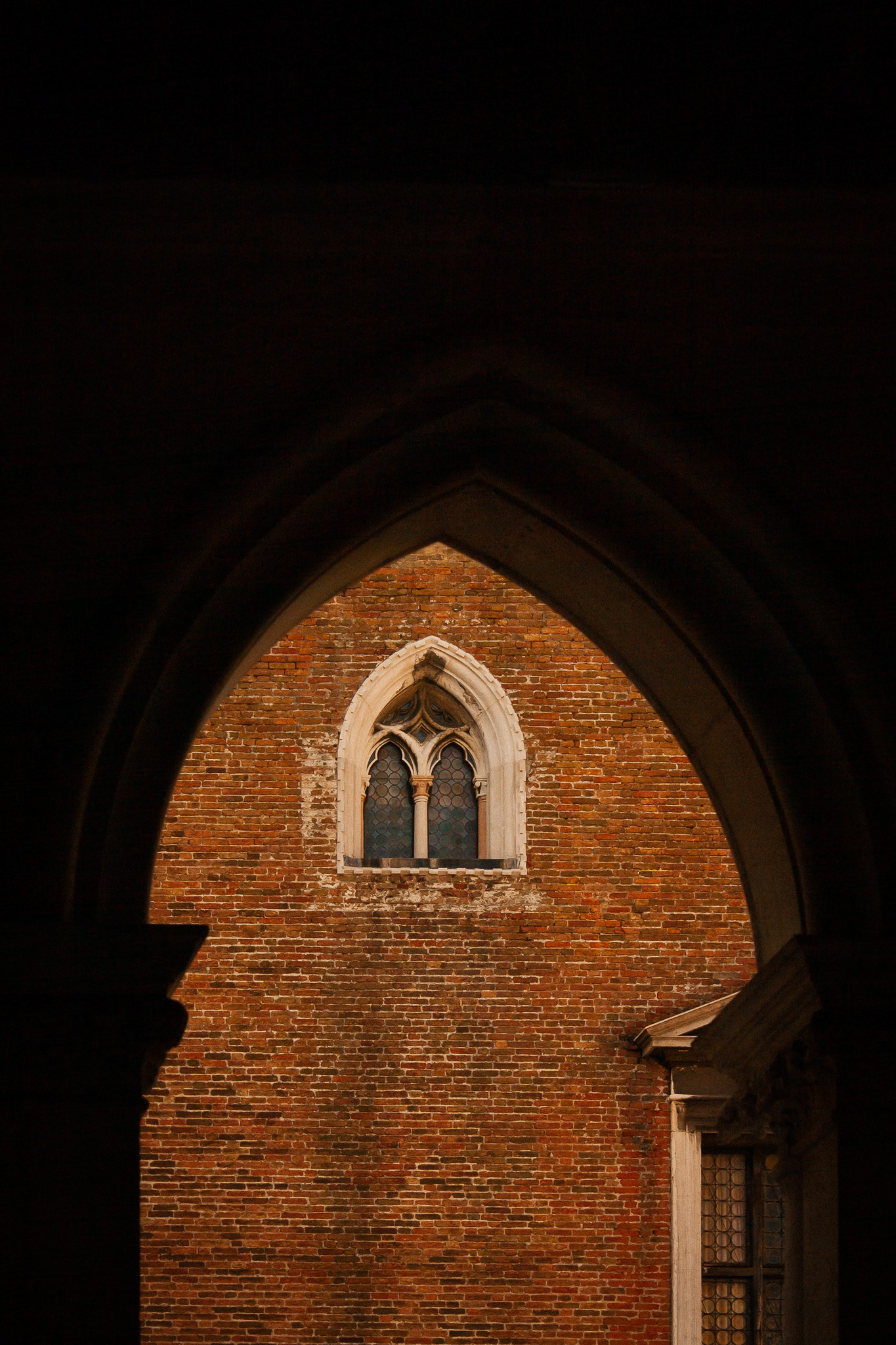
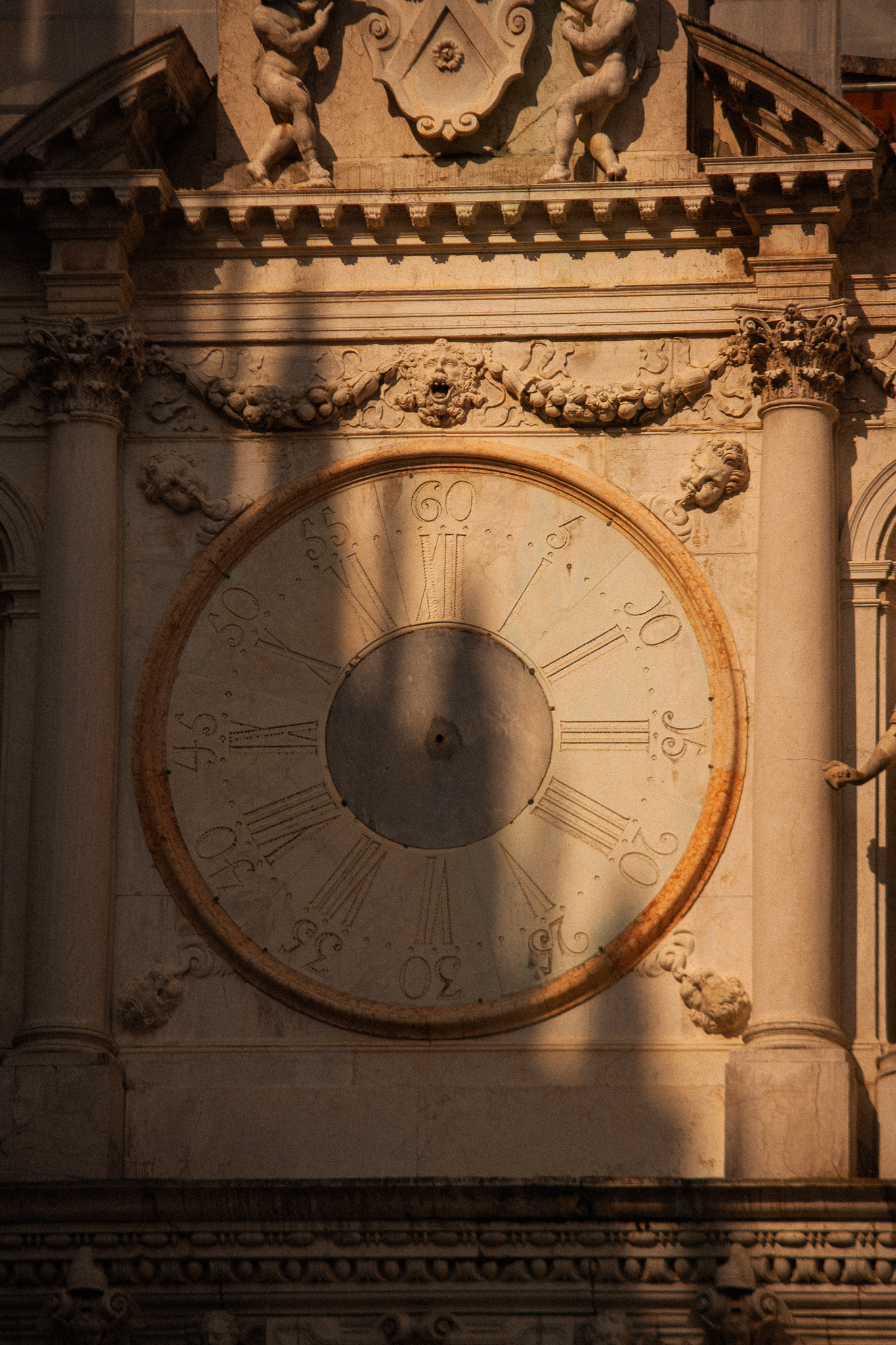
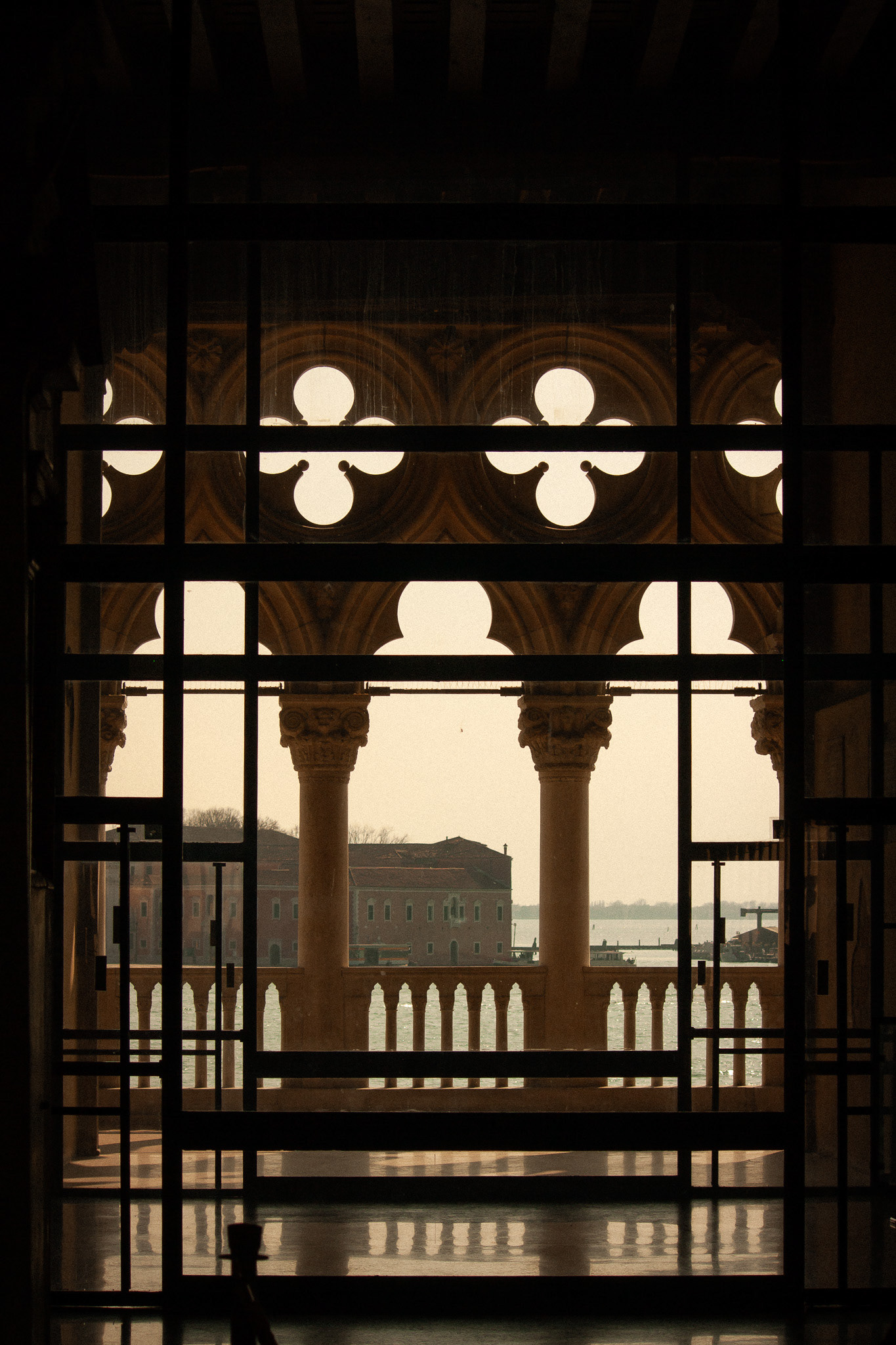
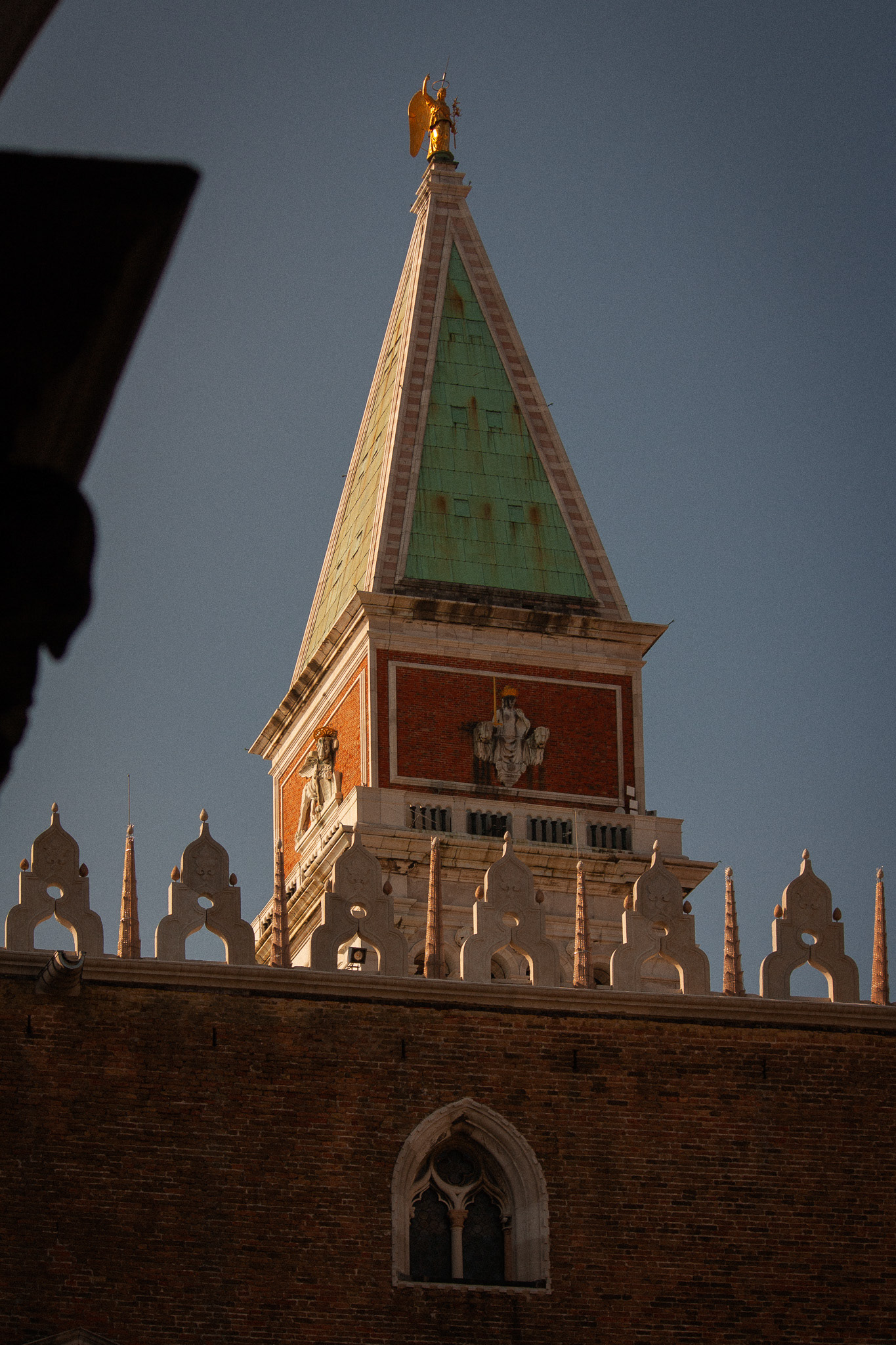
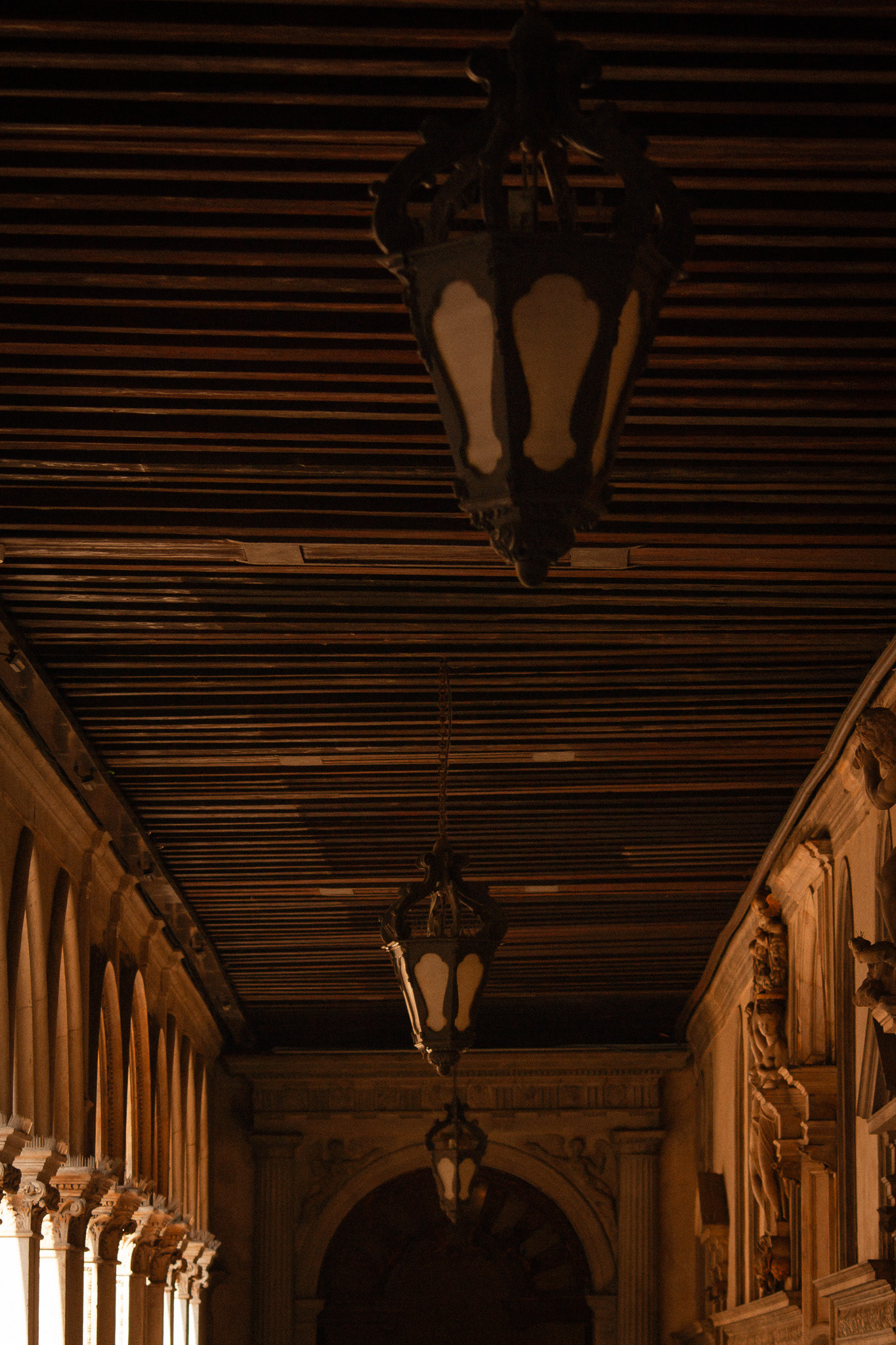
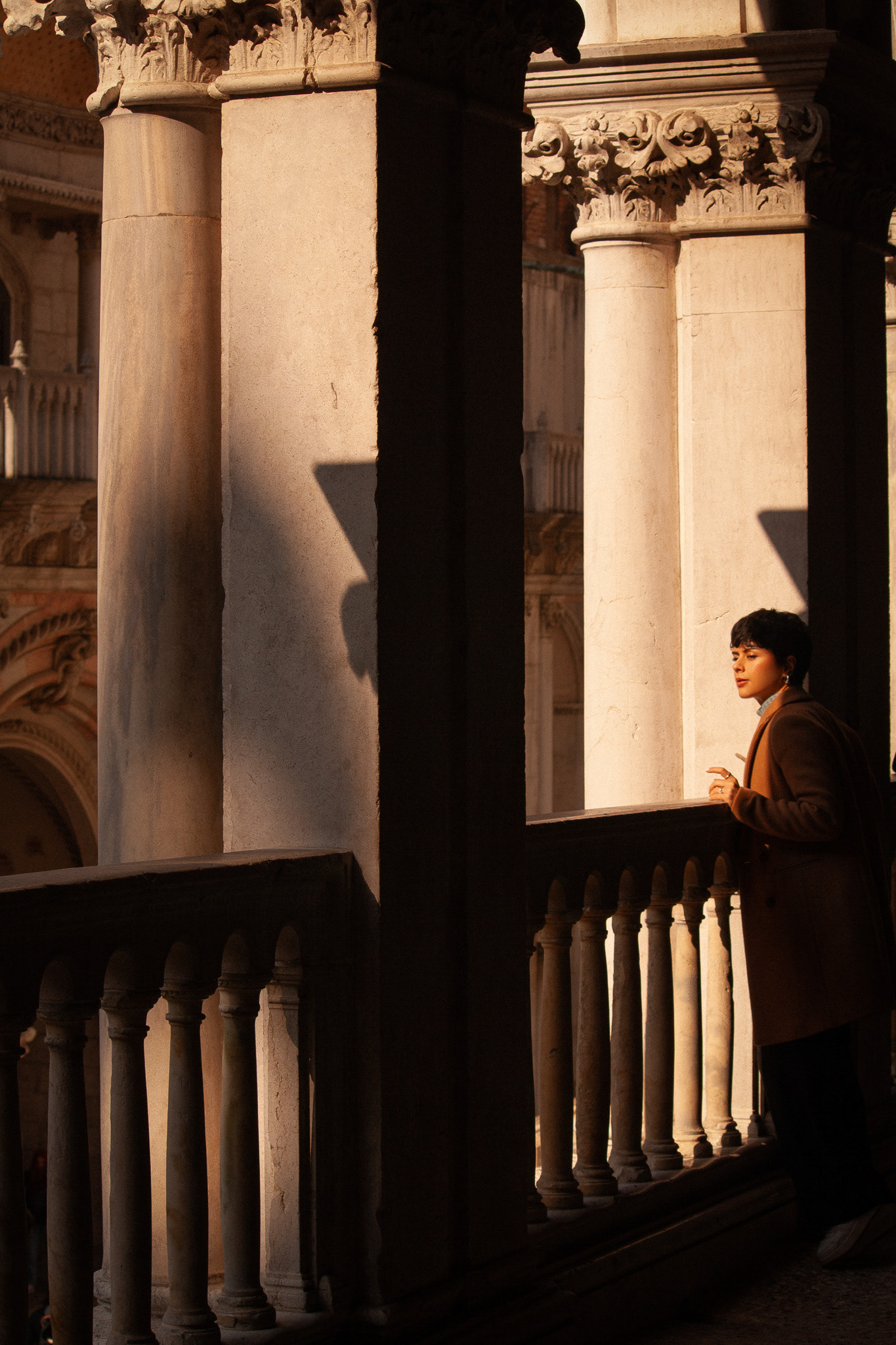
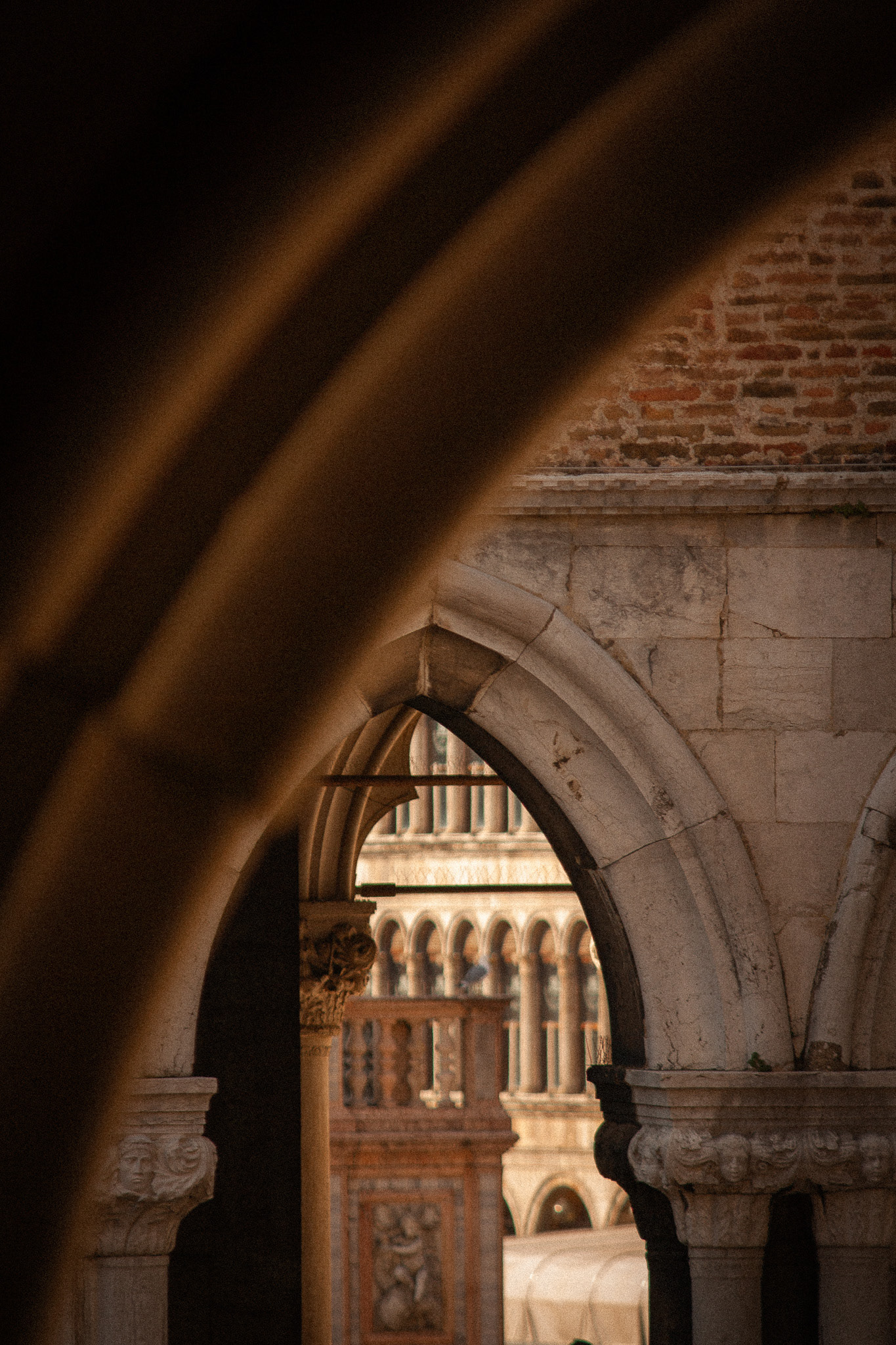
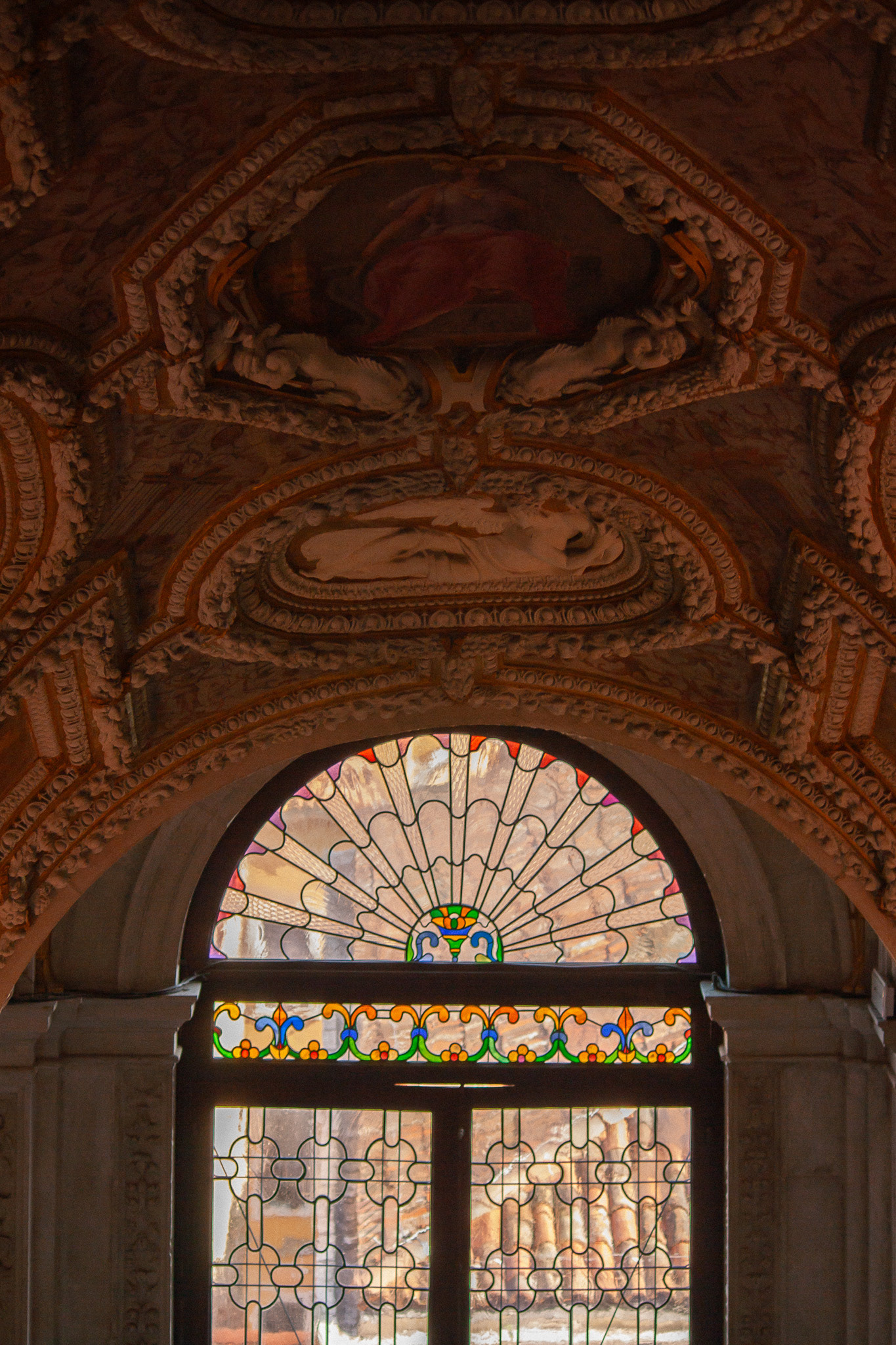
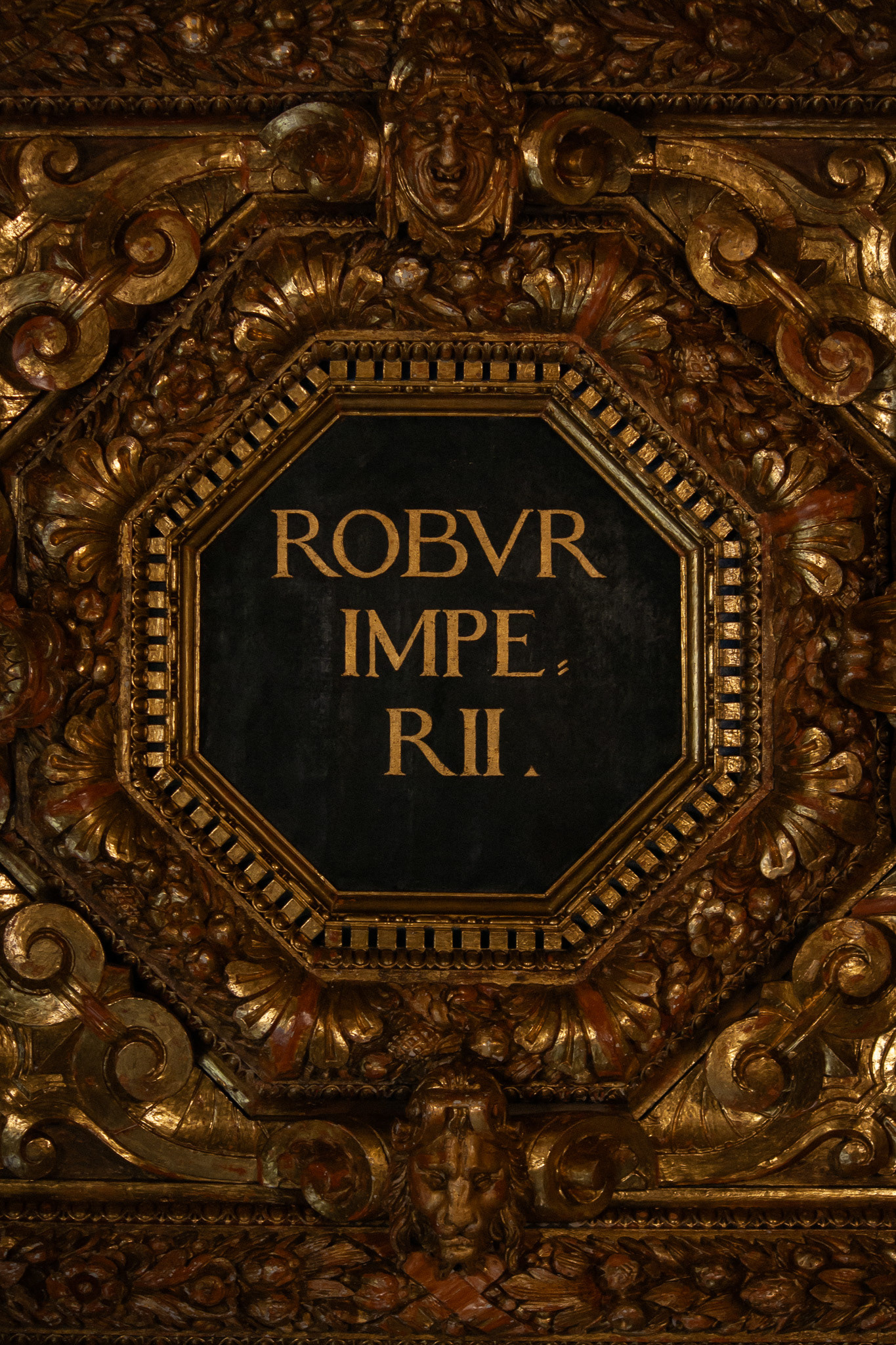
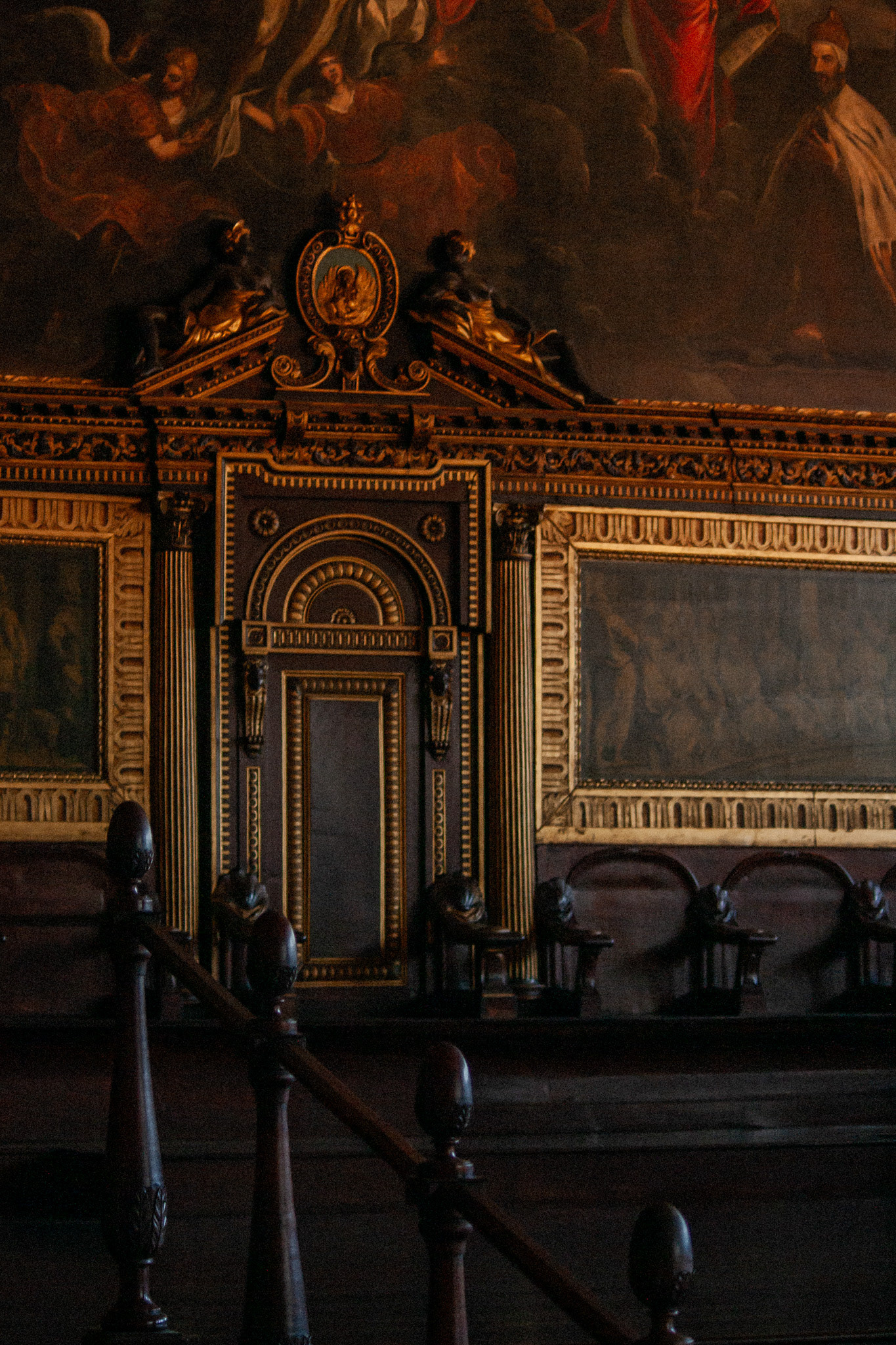
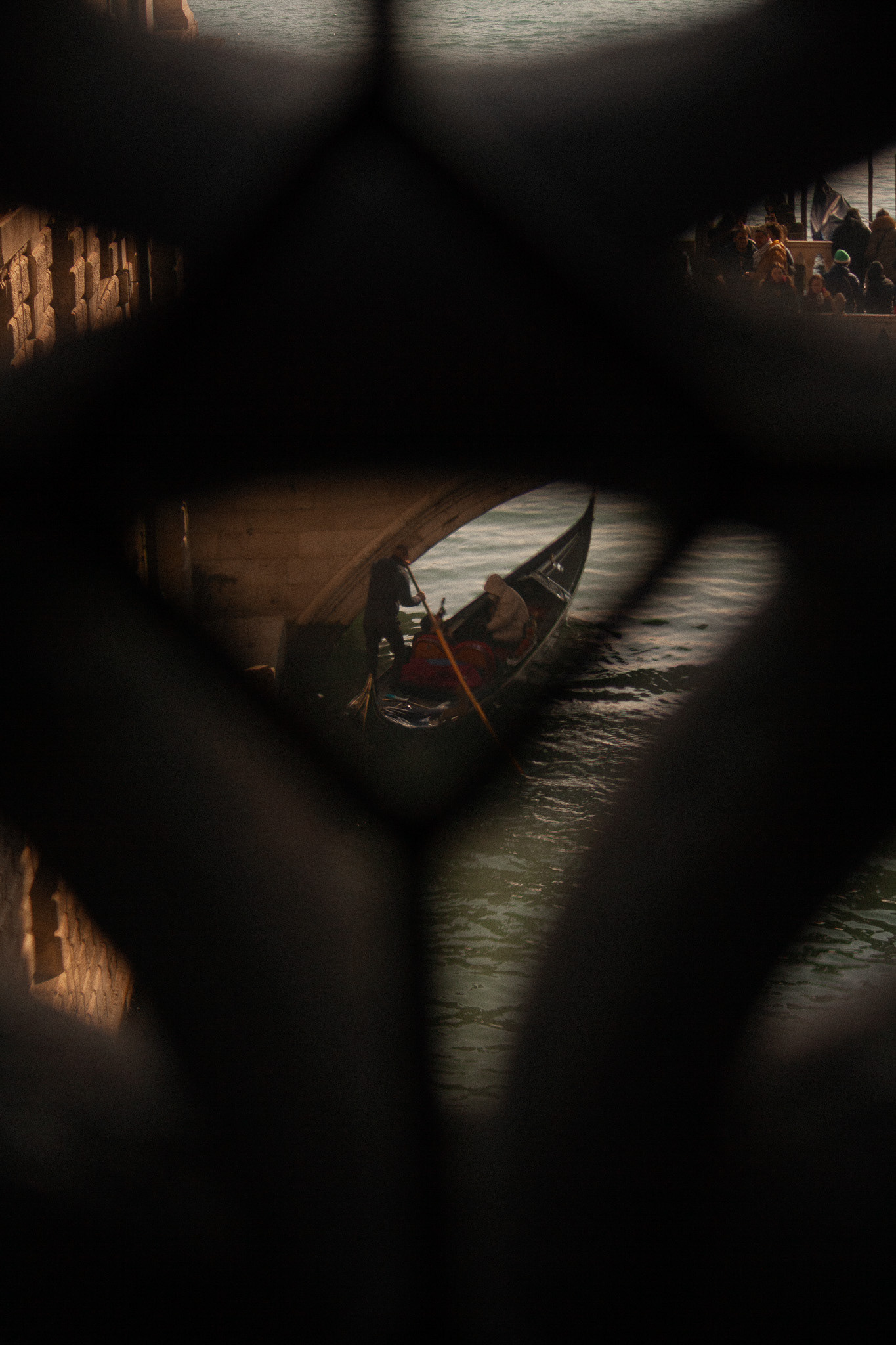
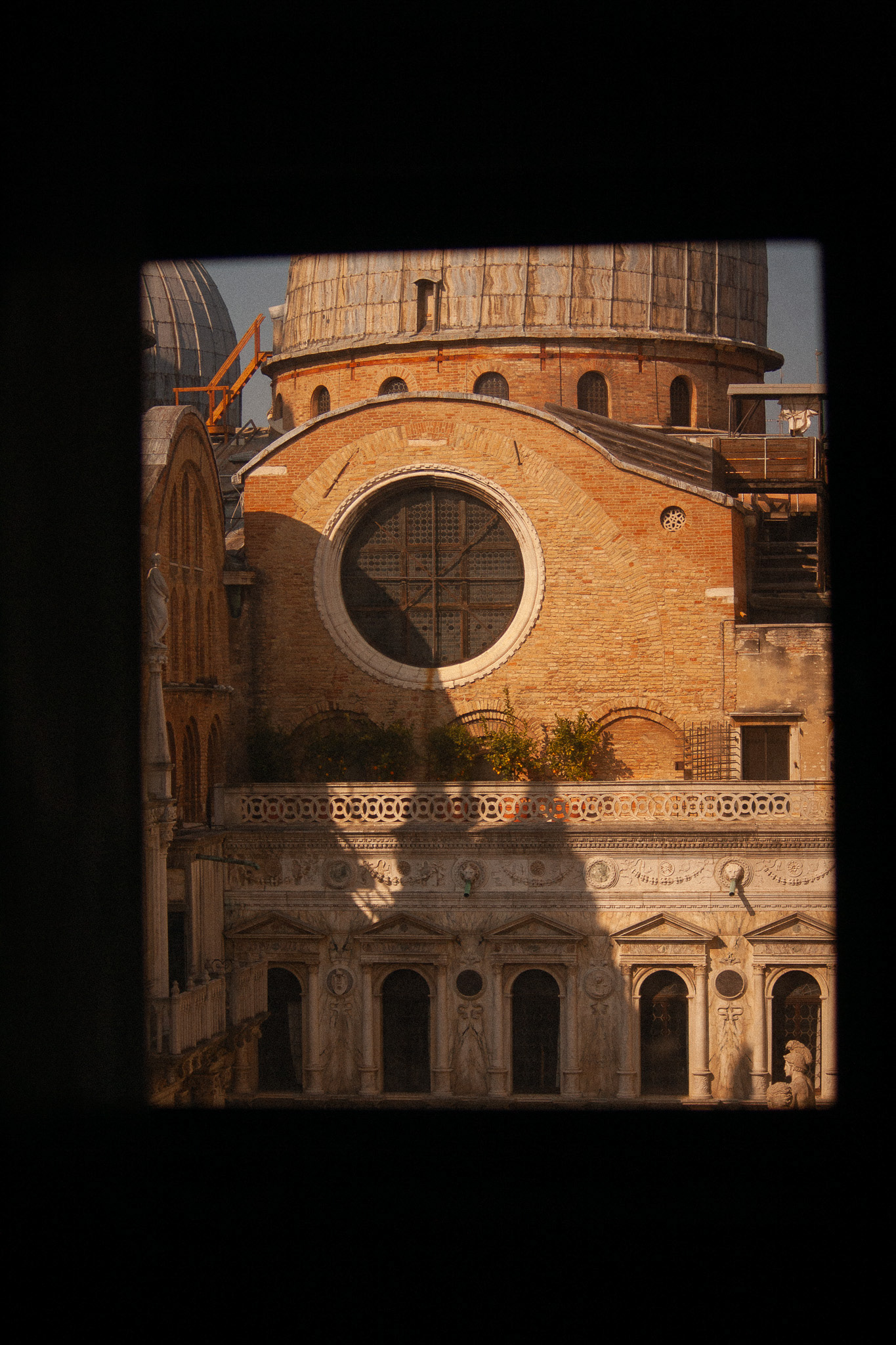
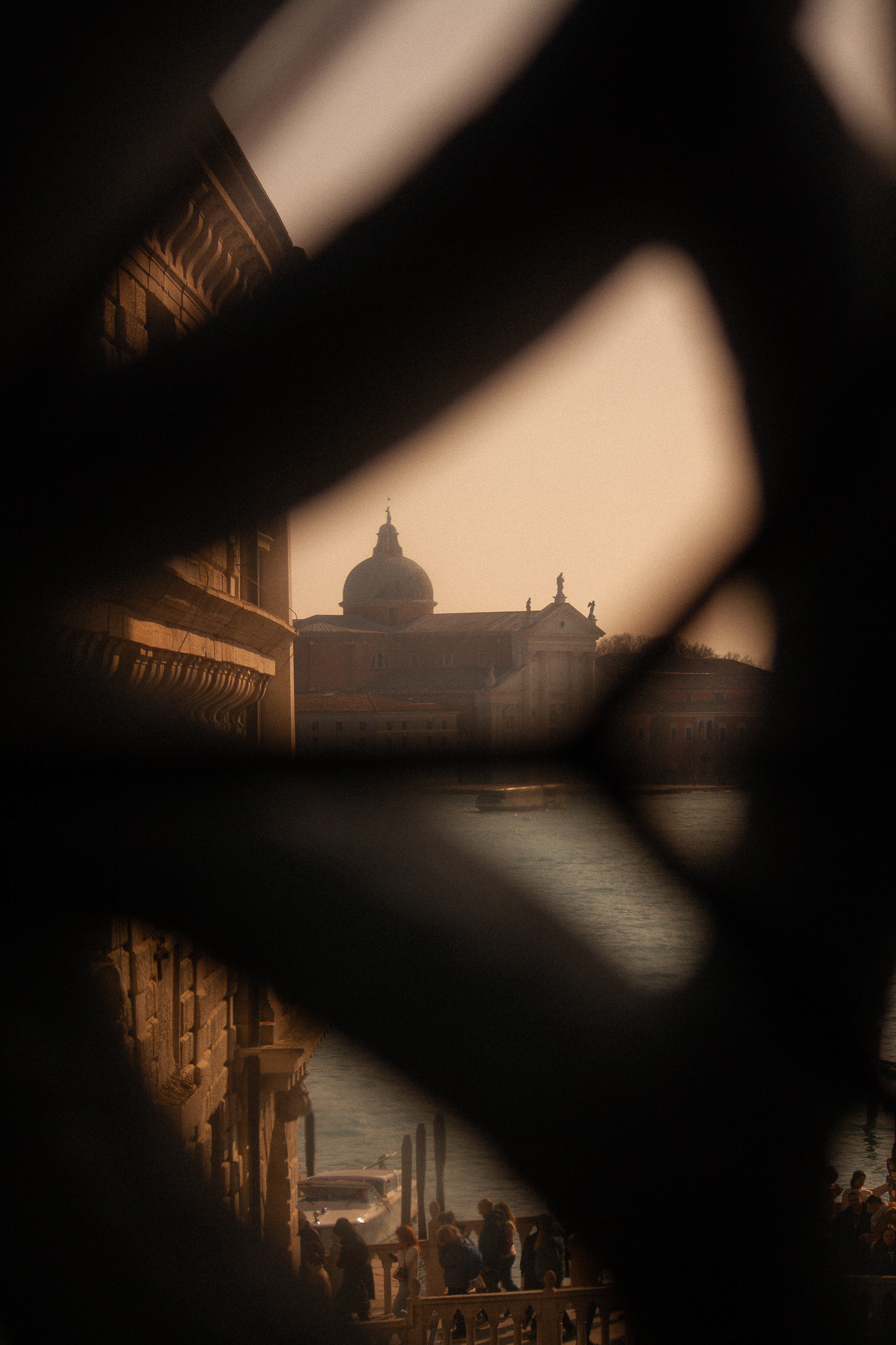
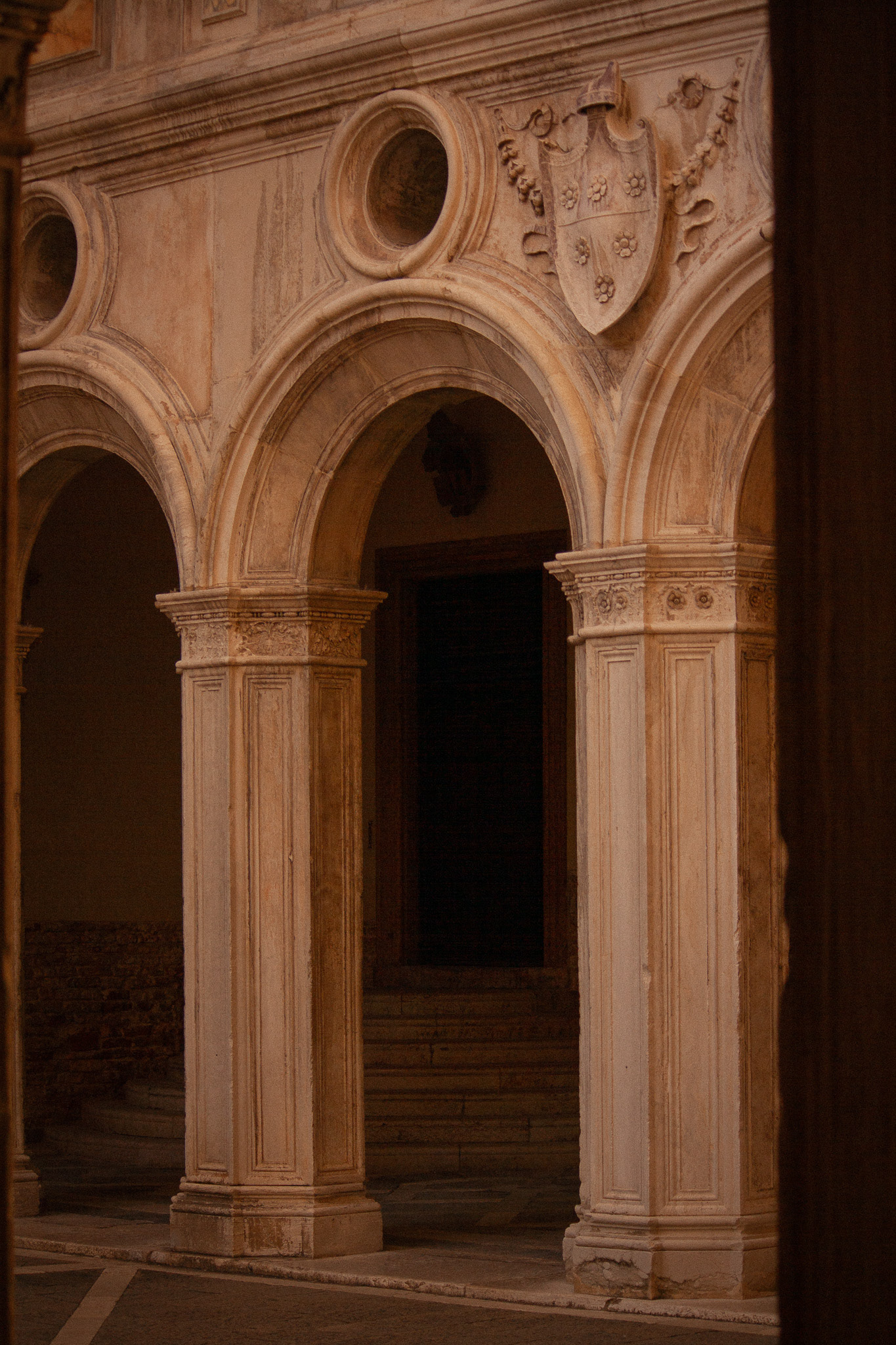
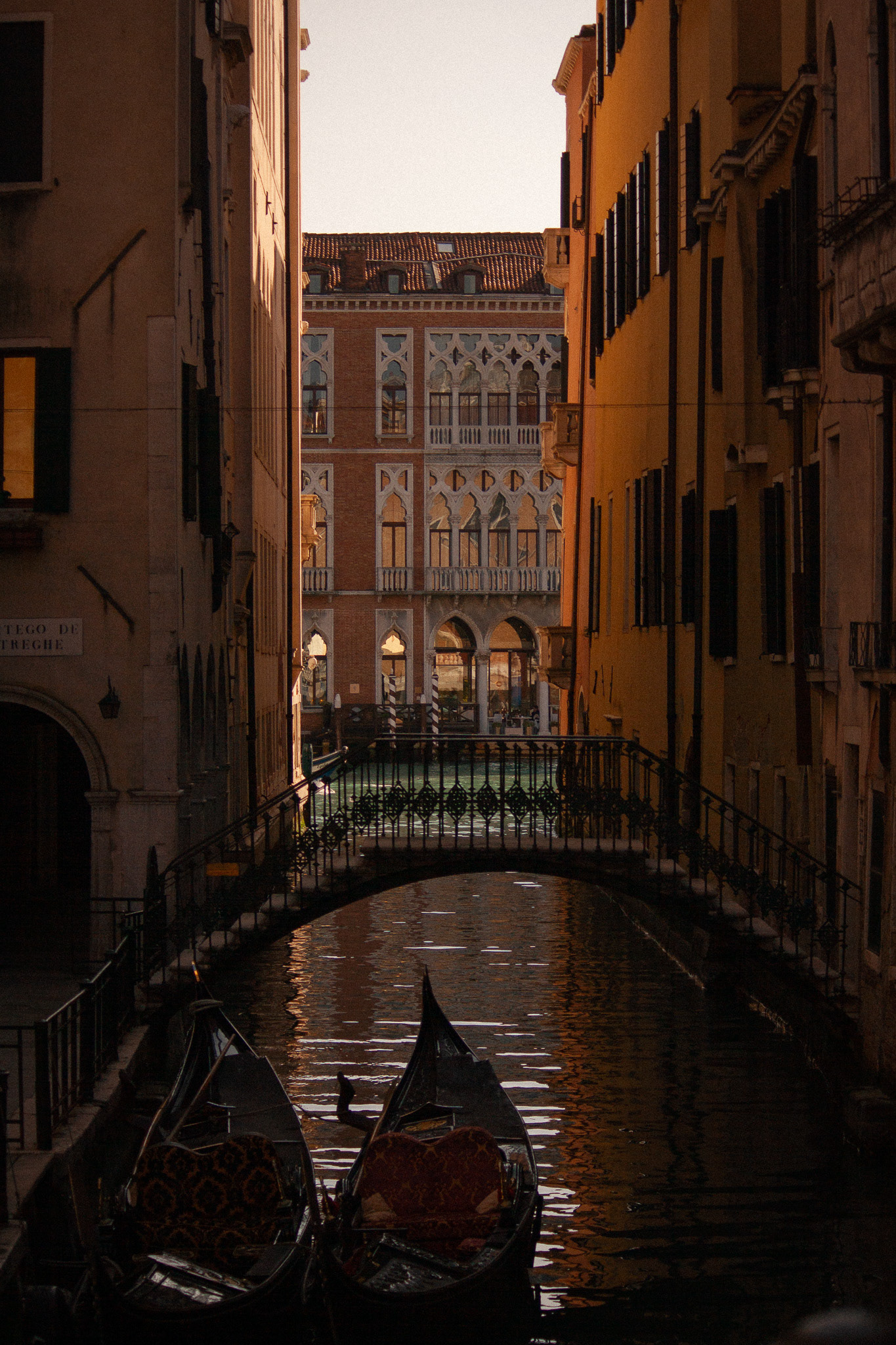
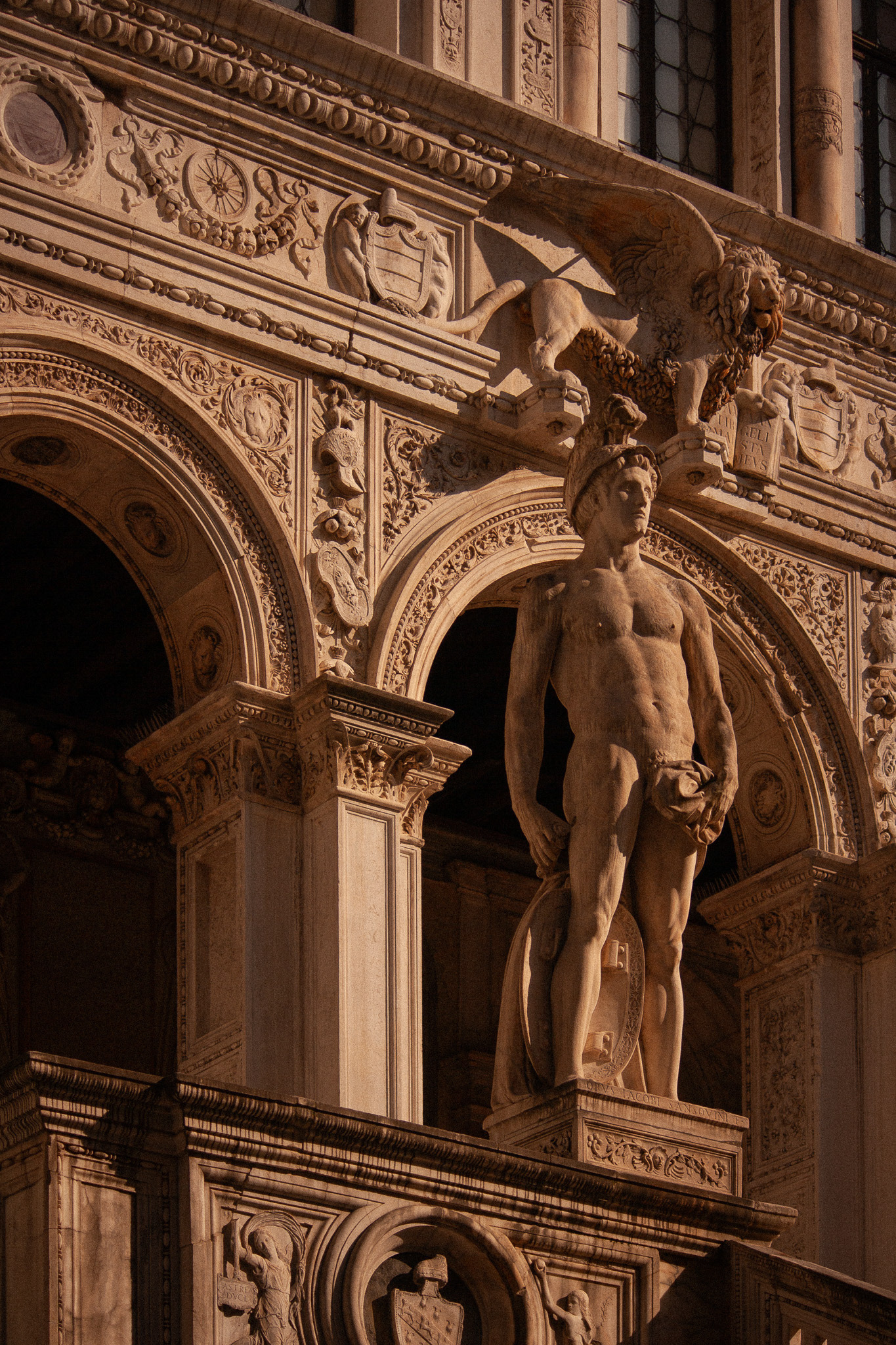
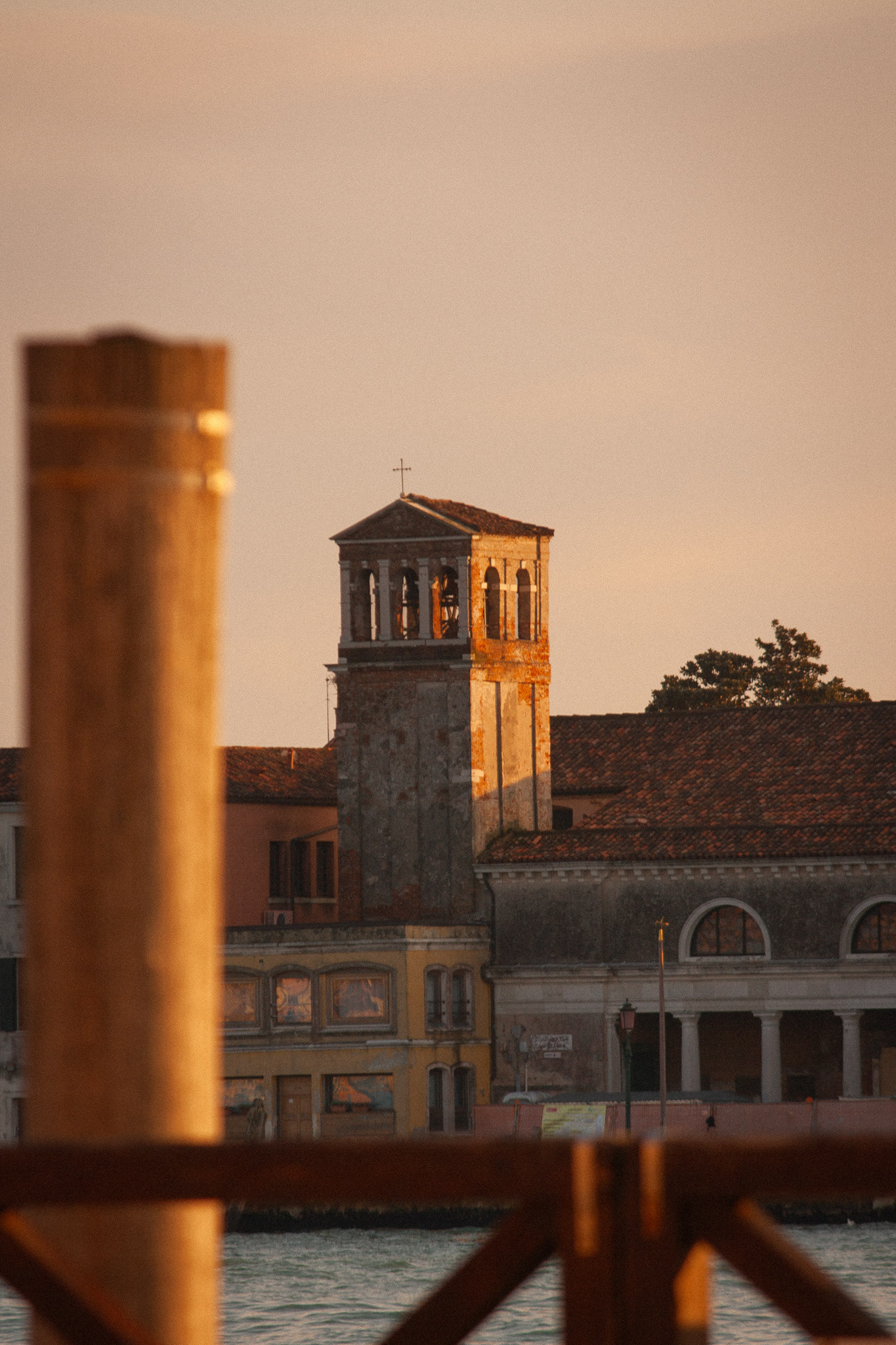
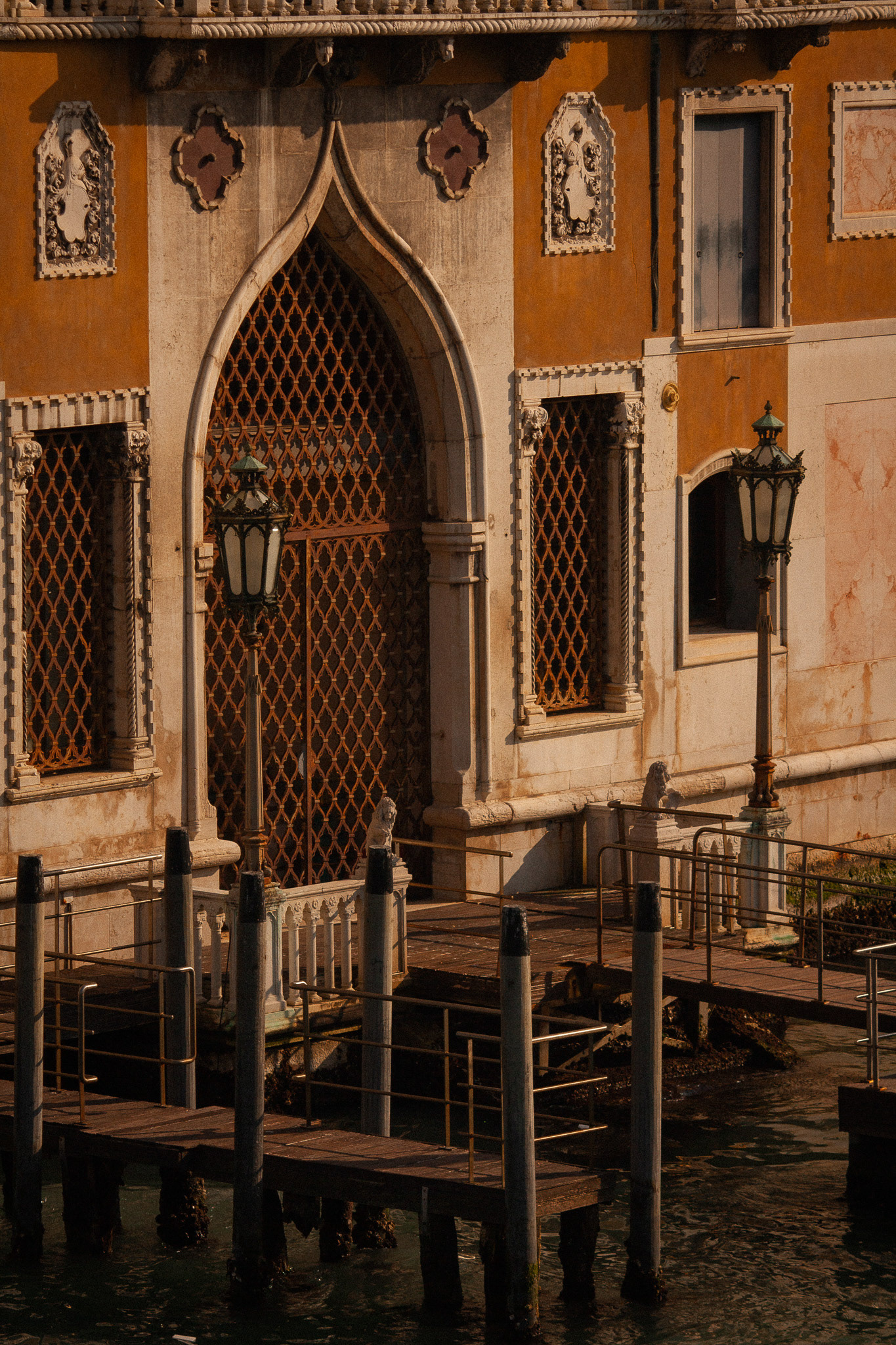
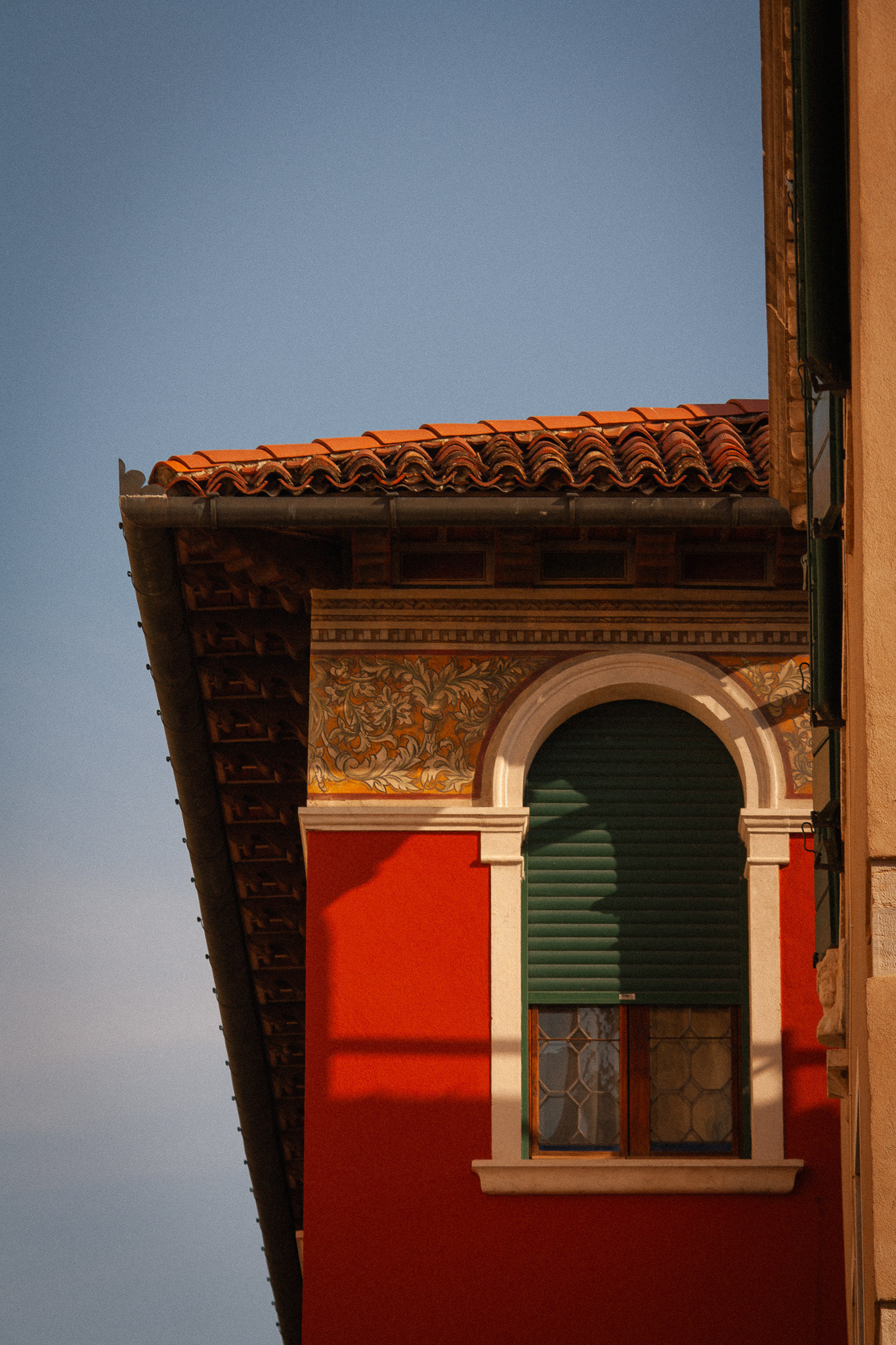
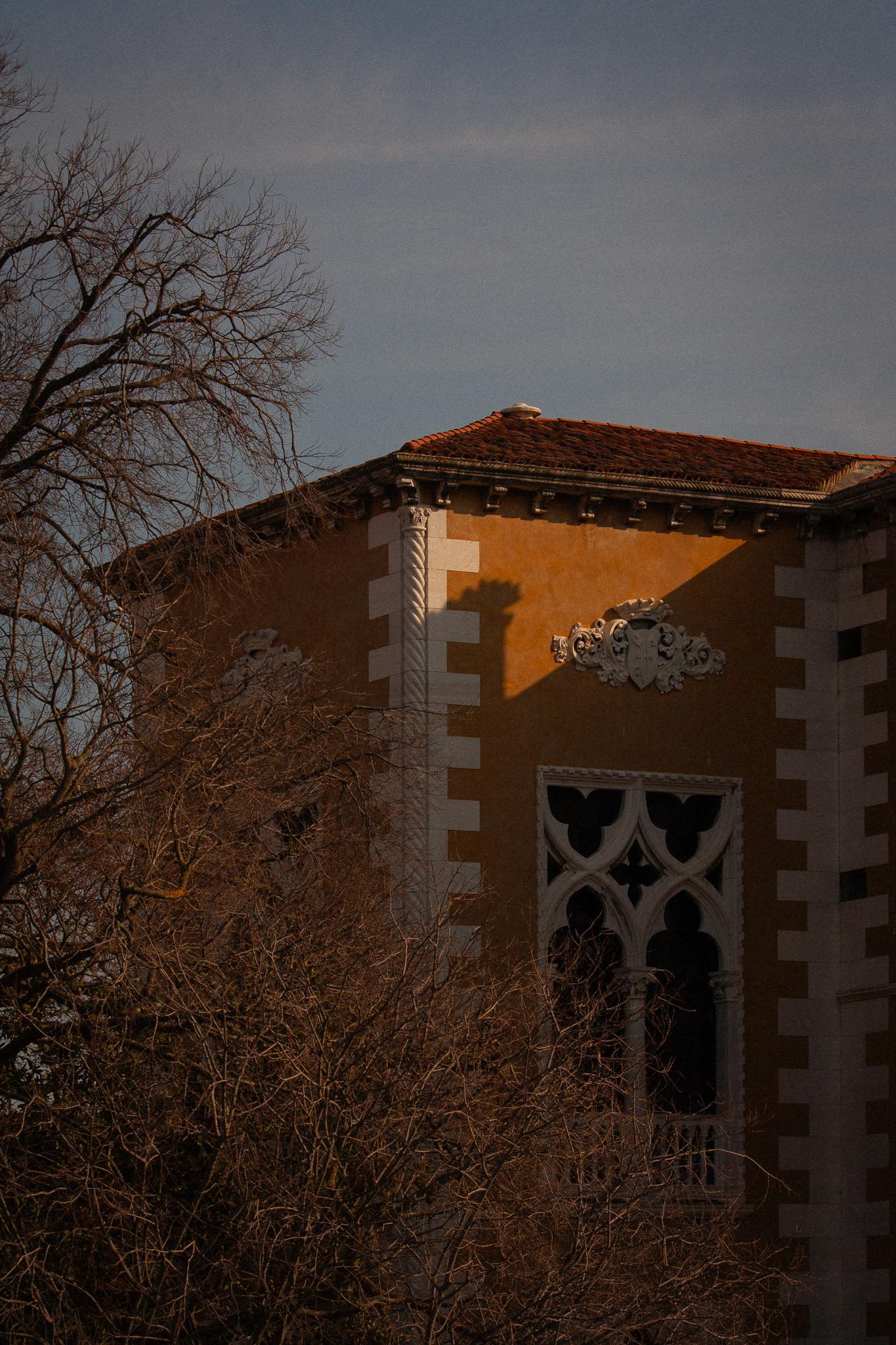
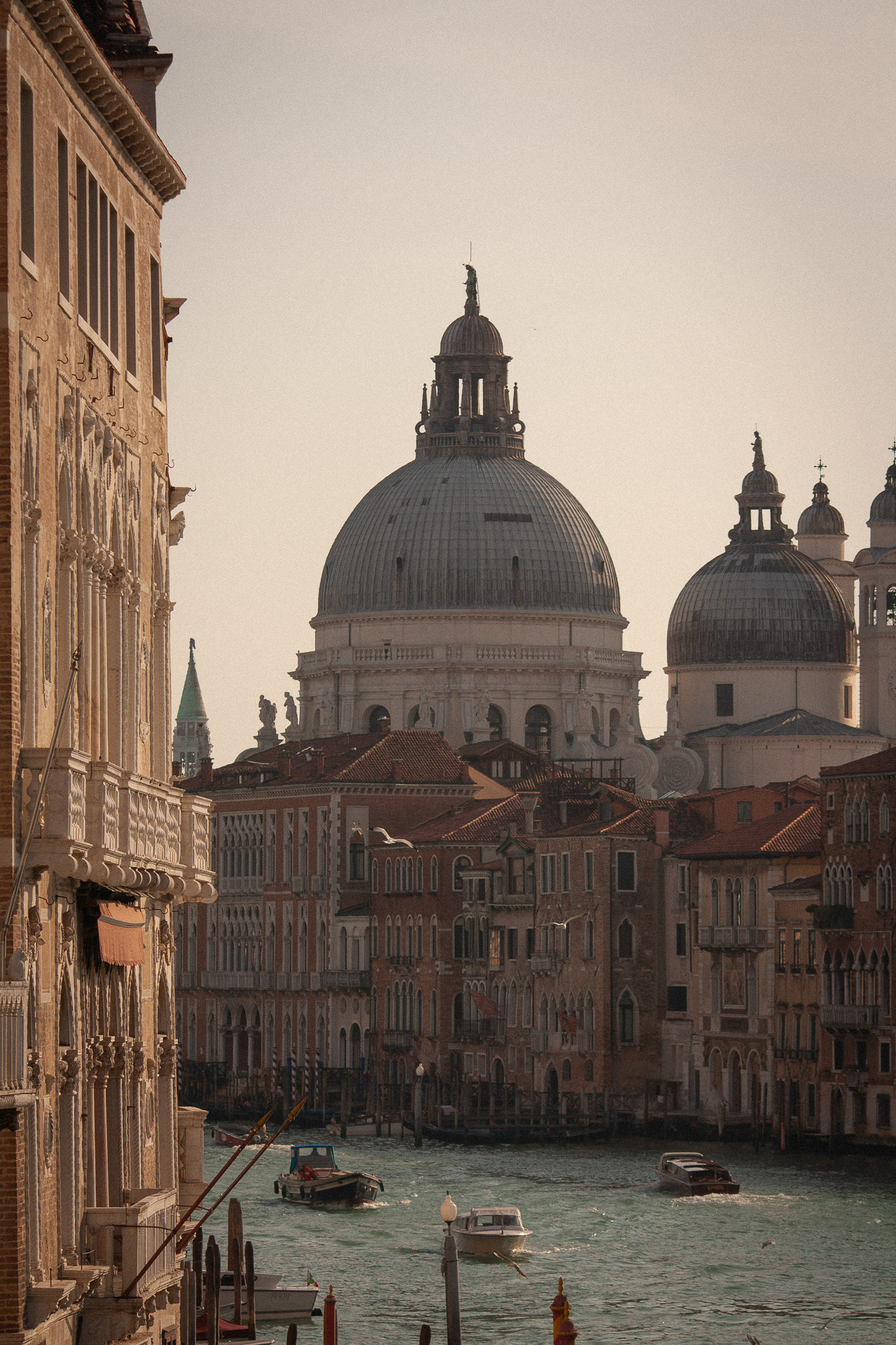
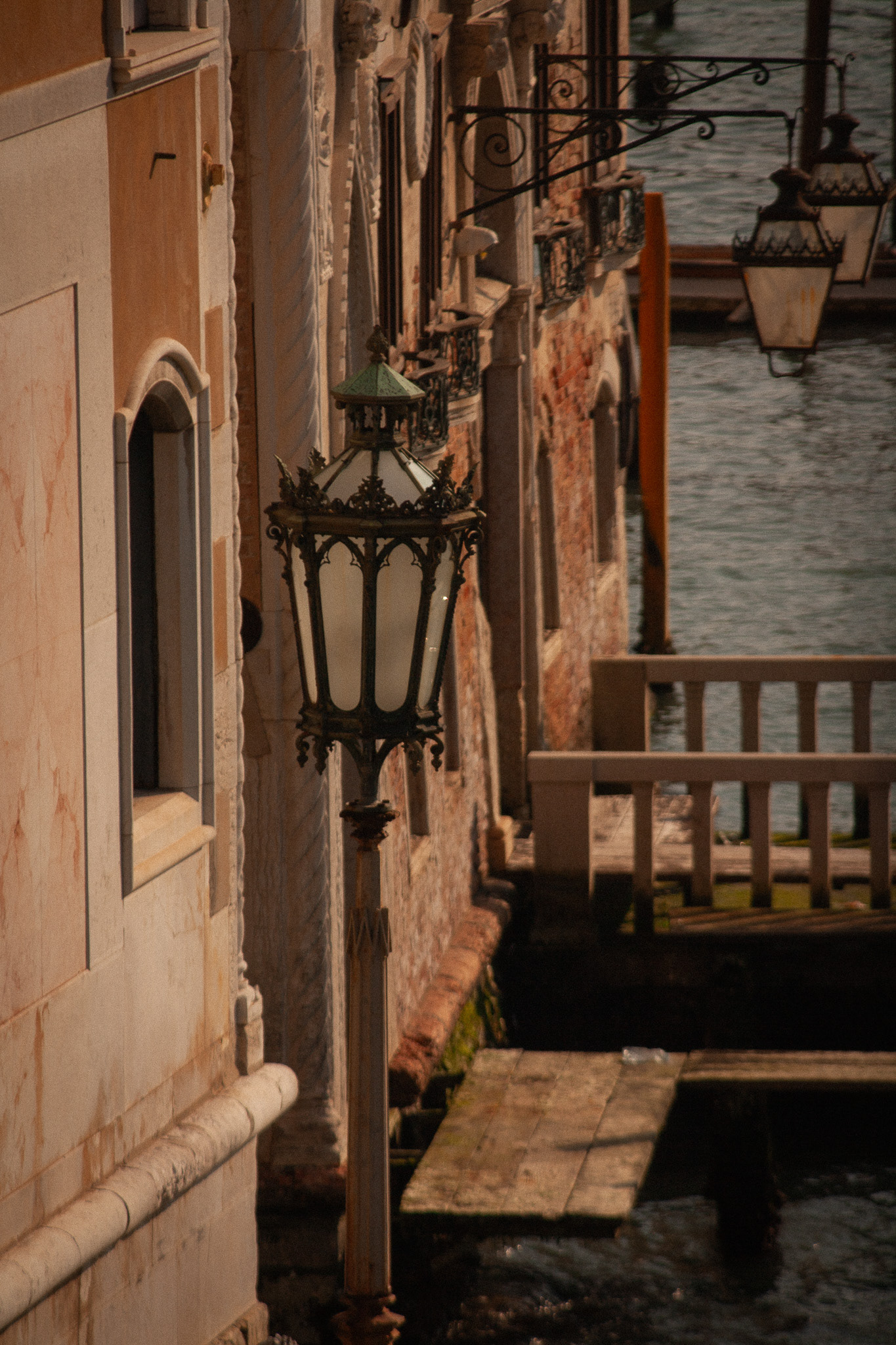
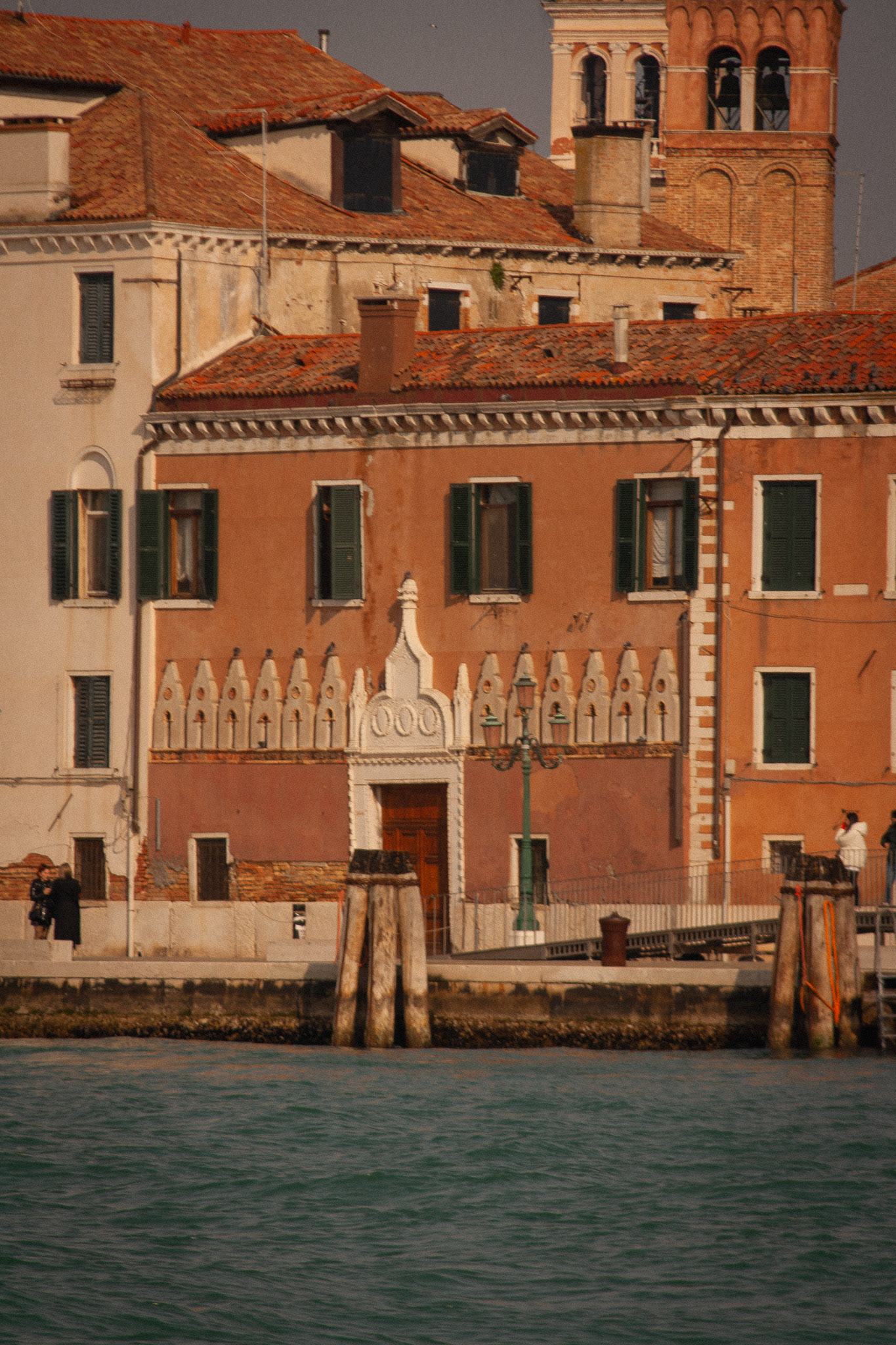
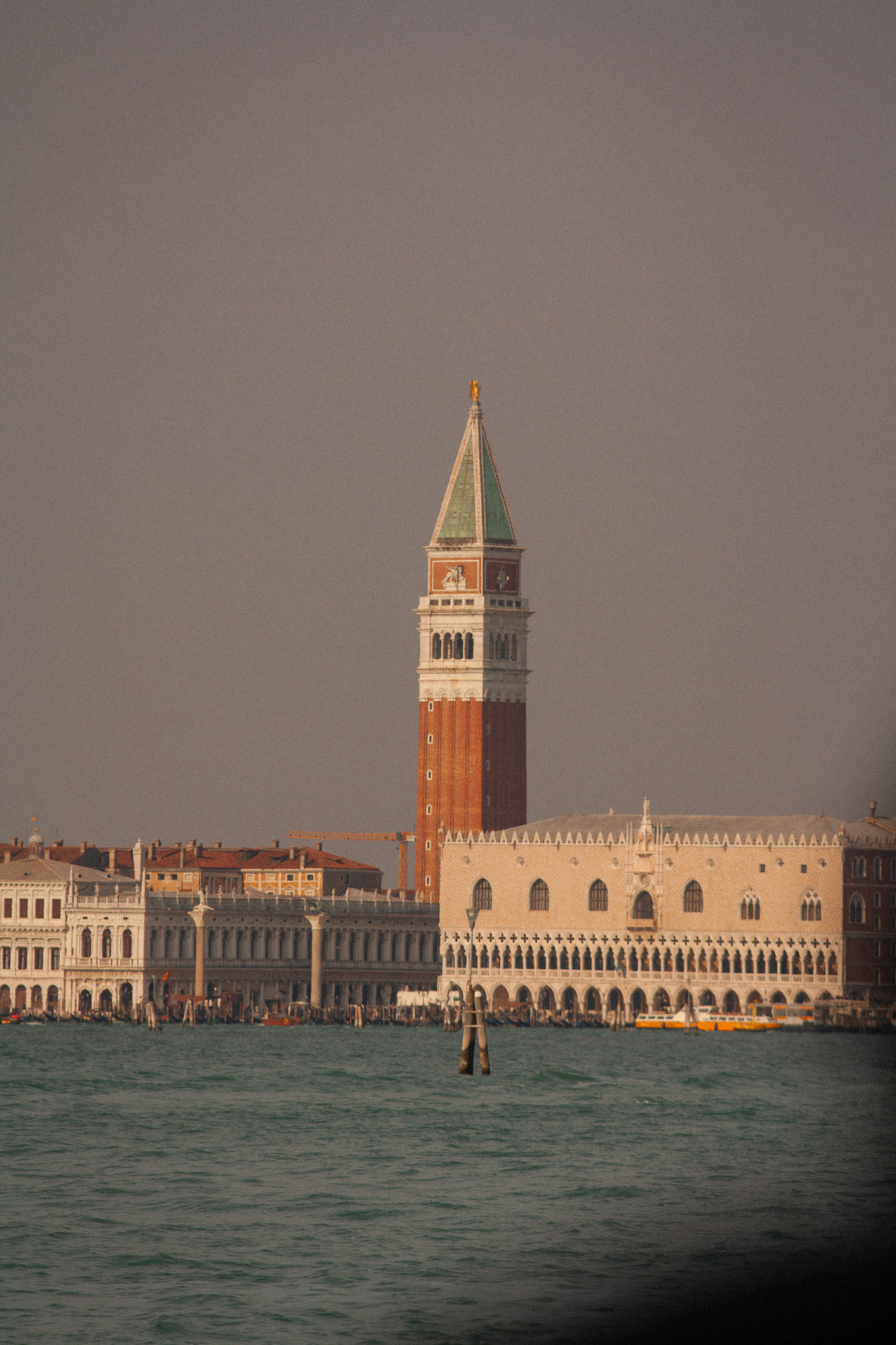
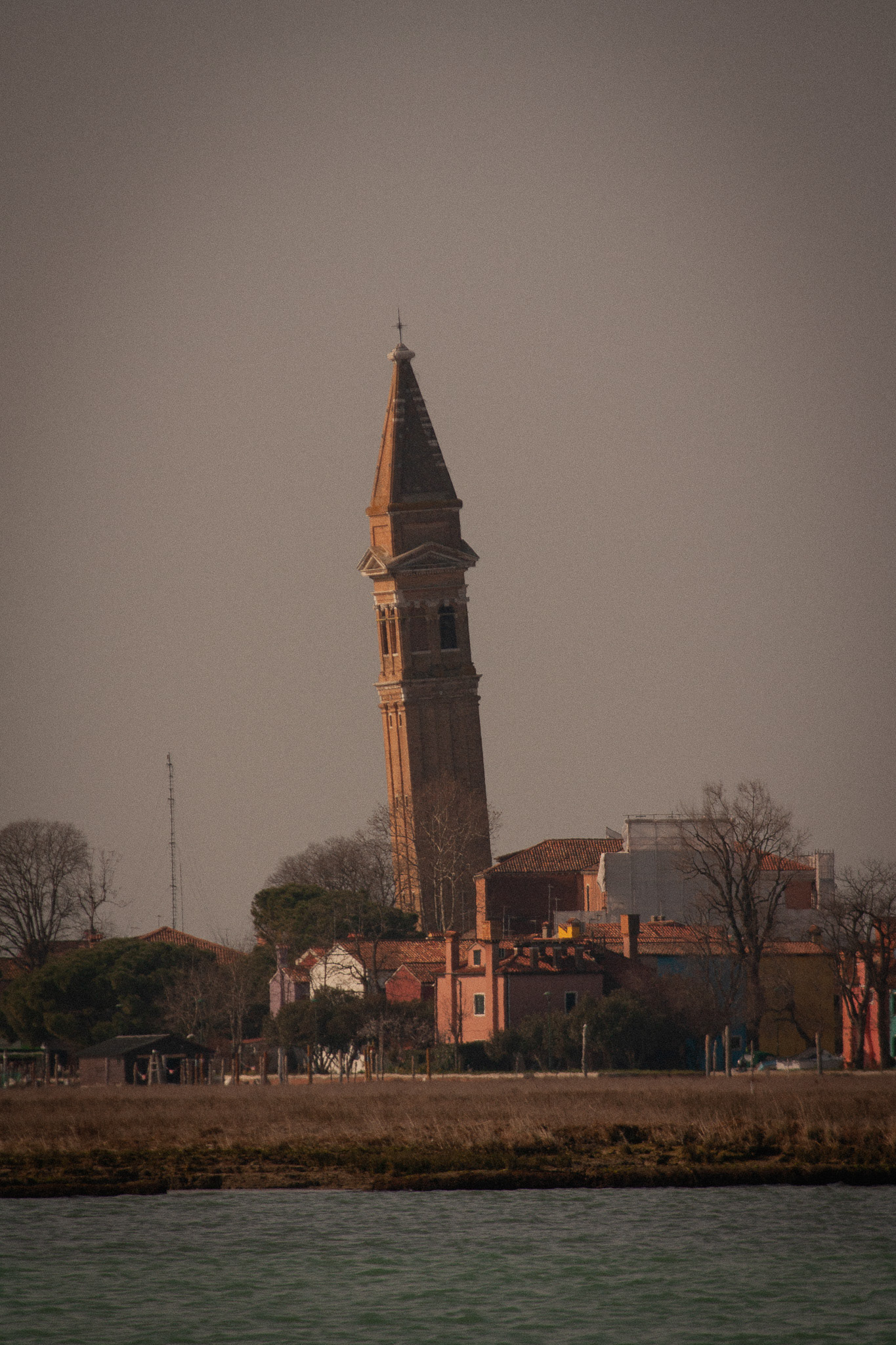
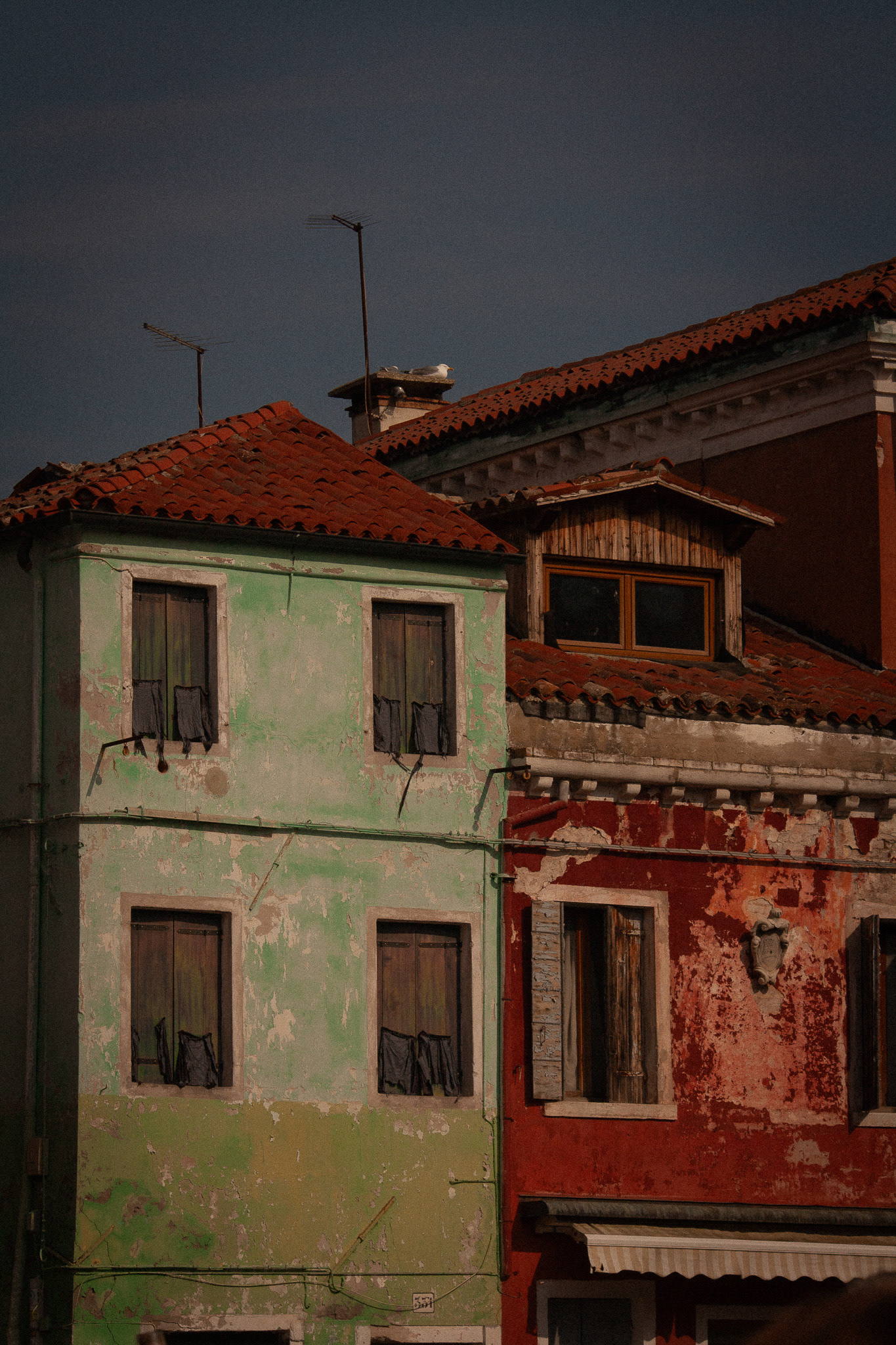
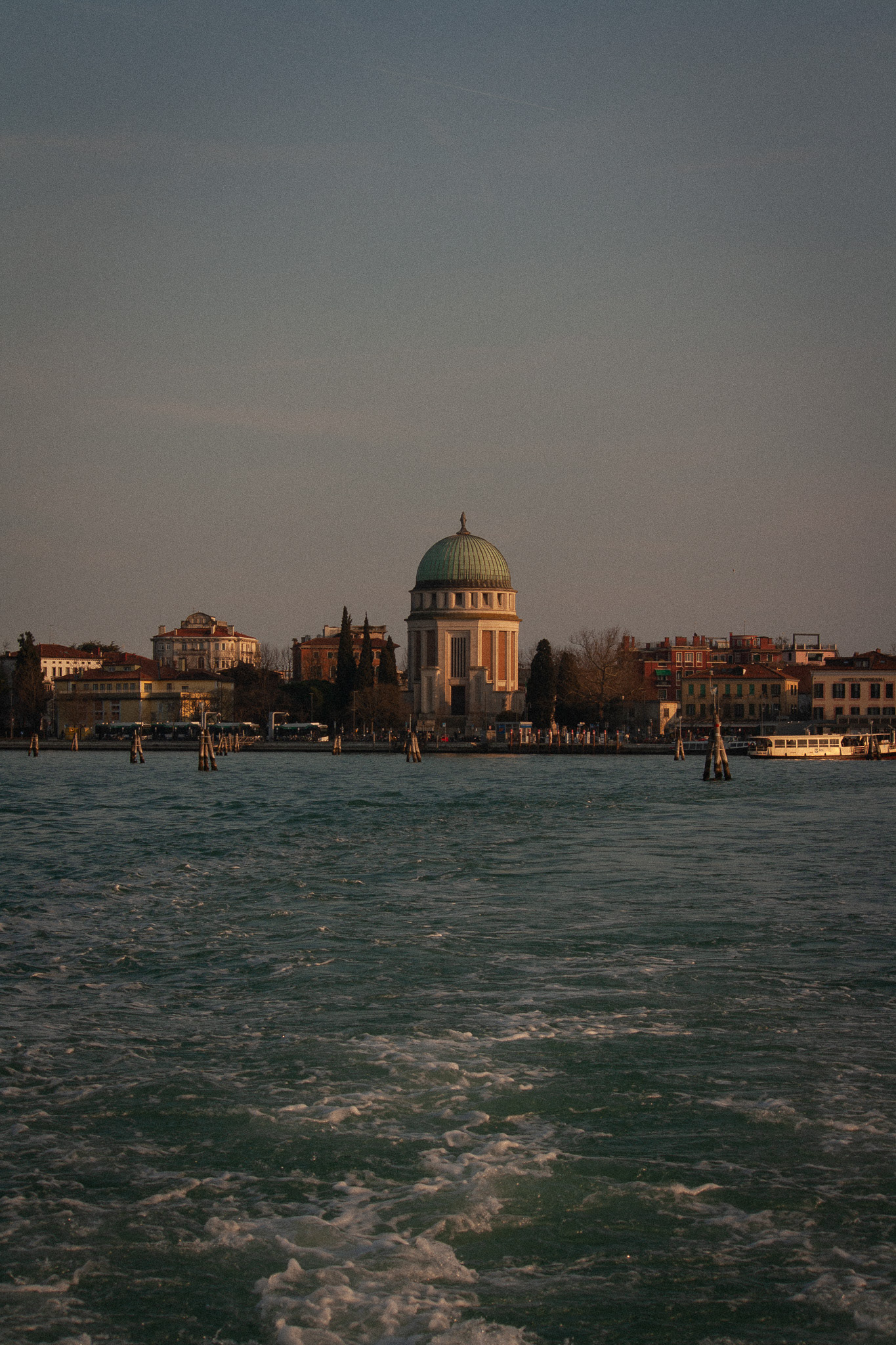
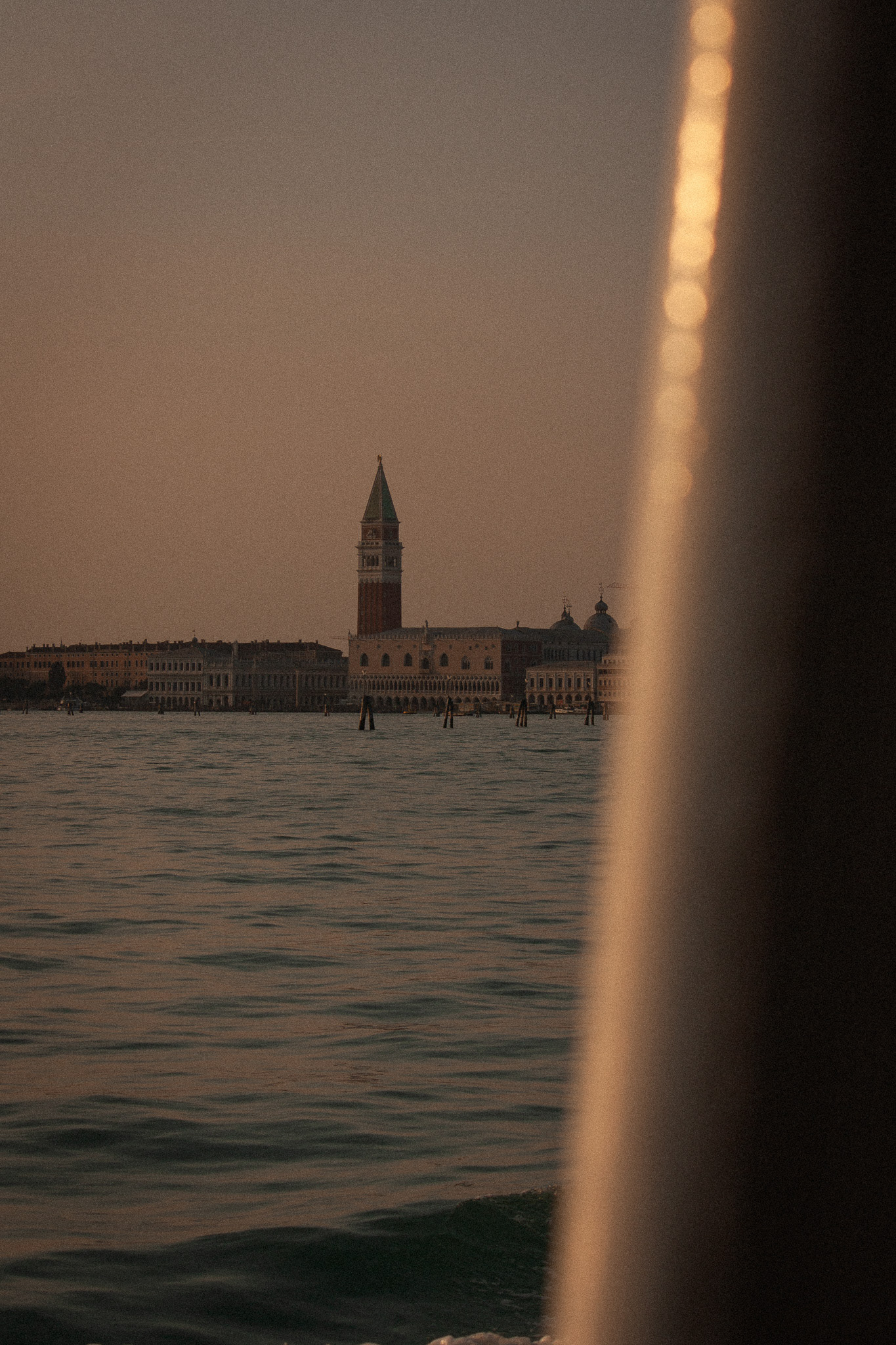
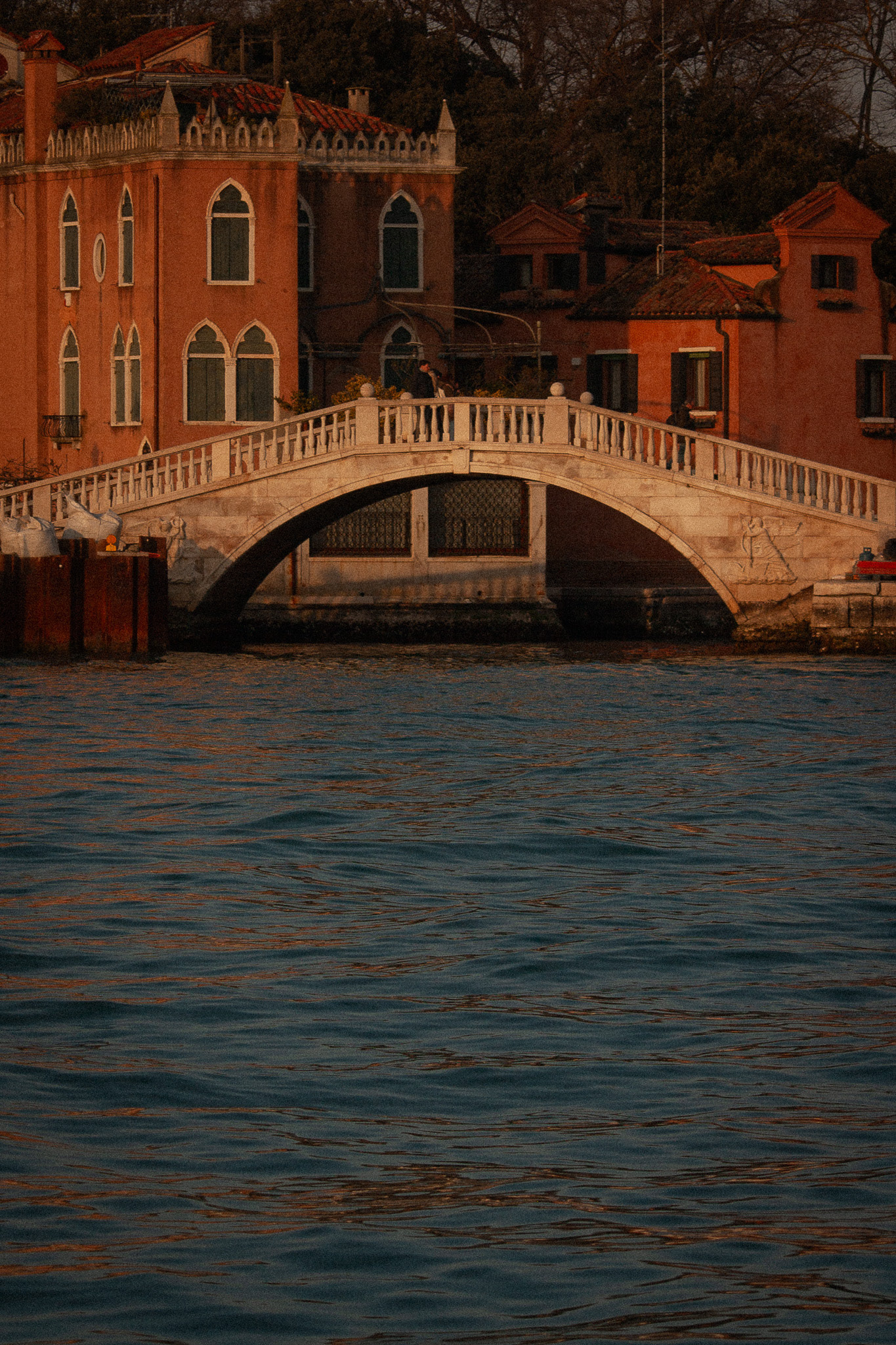
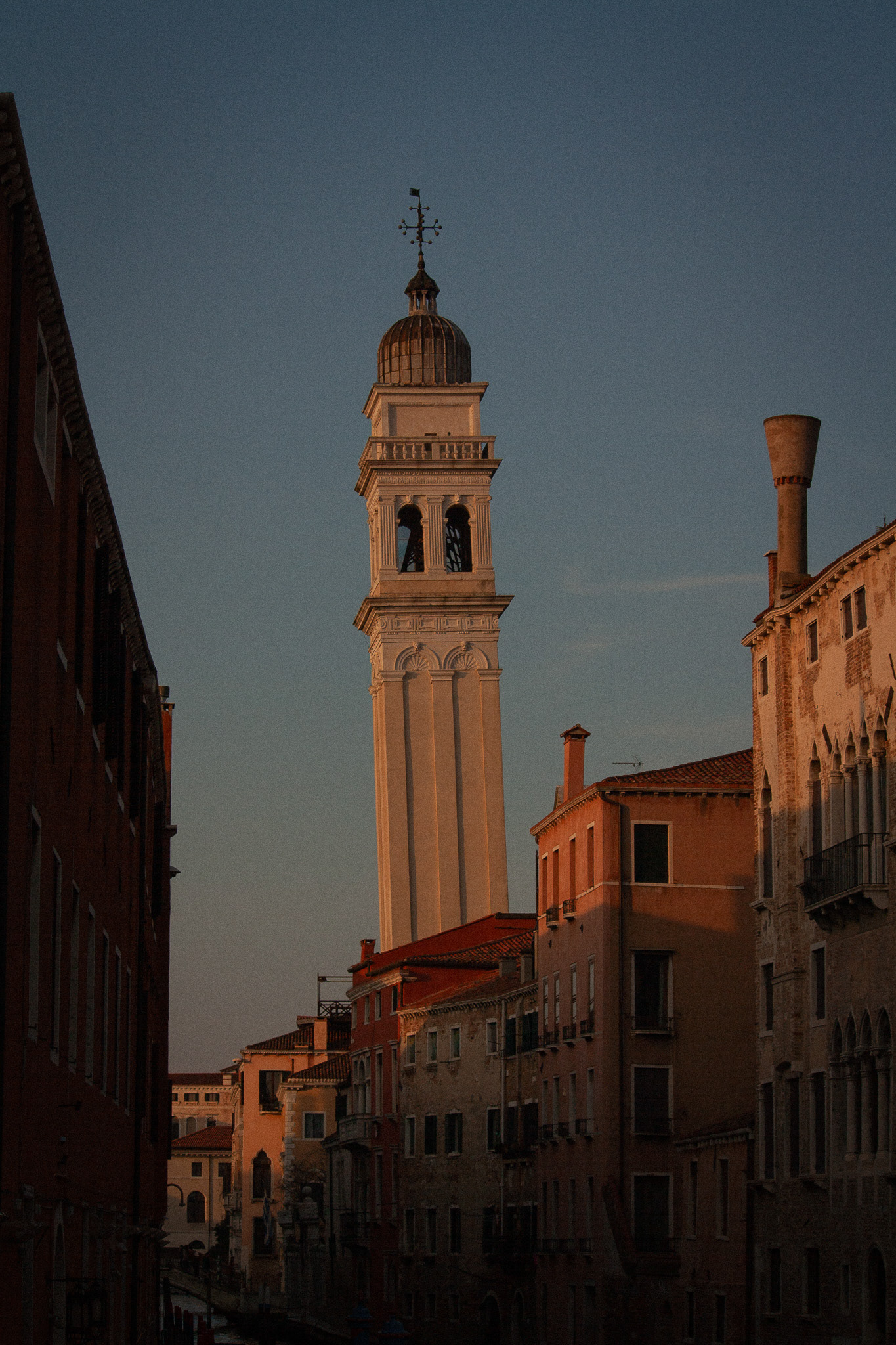
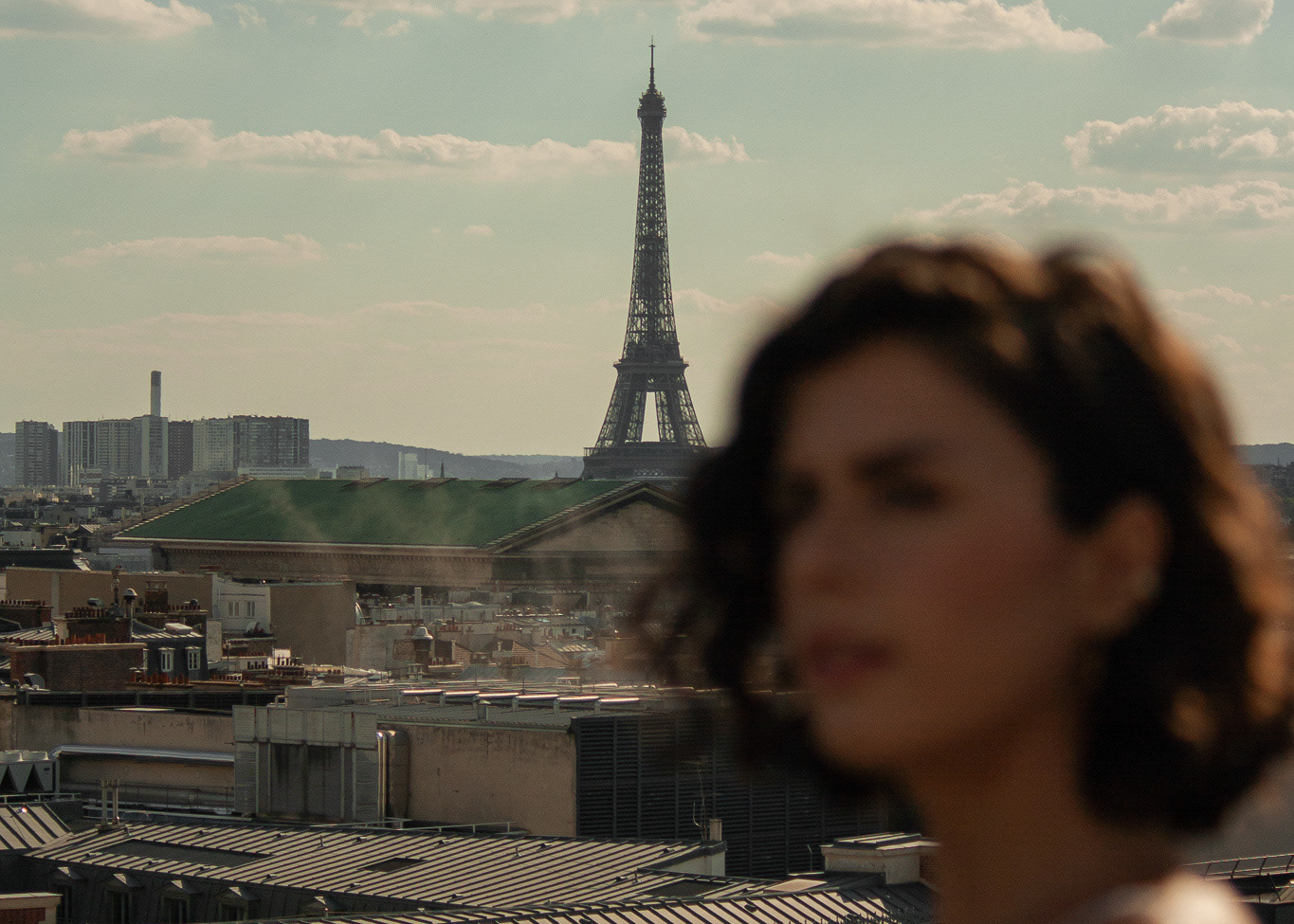
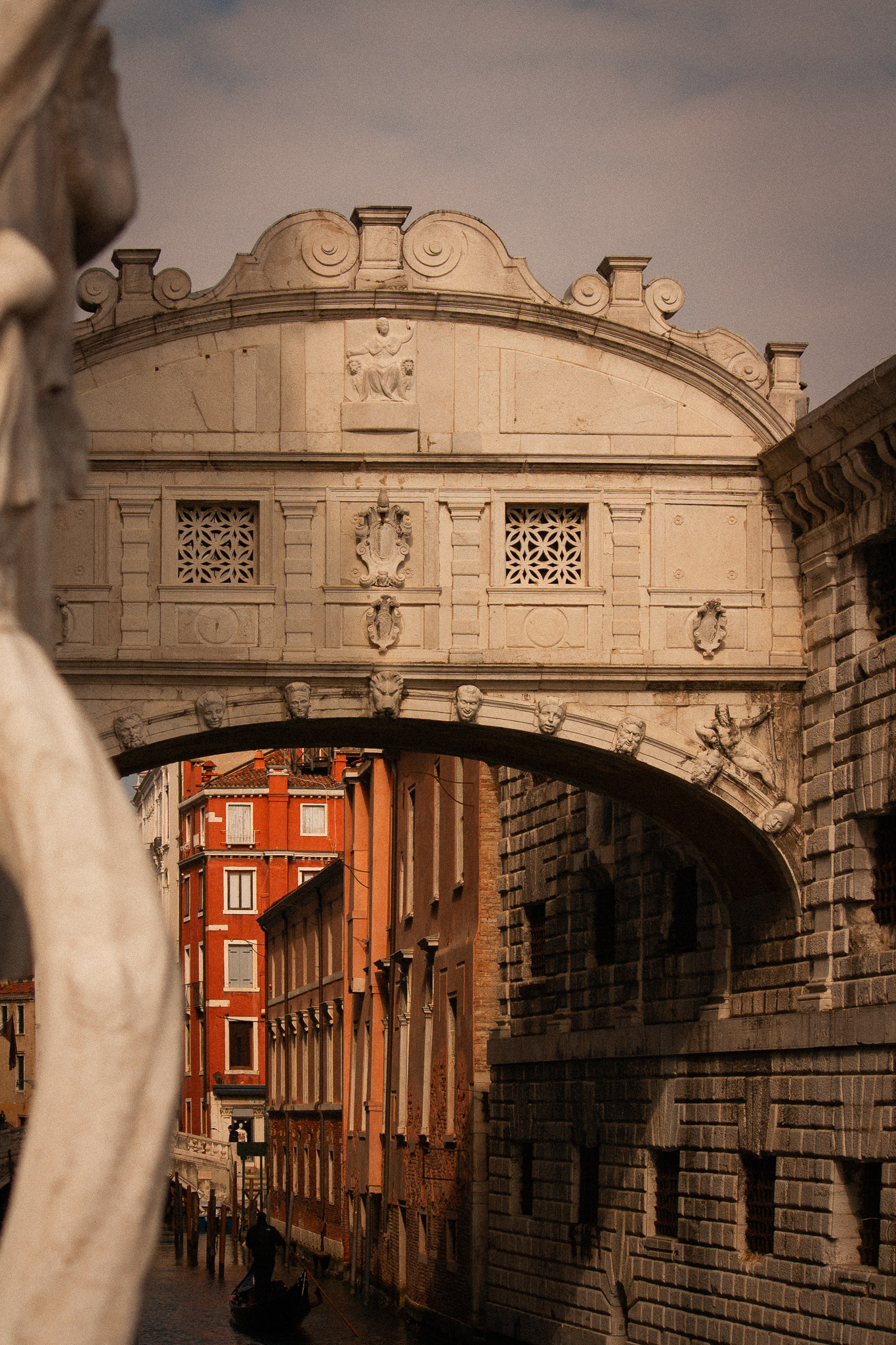
Venice itself seems to be asking you to slow down by design. No cars, no traffic noise. Just footsteps, water moving through canals, and the occasional echo of voices travelling across narrow bridges. And maybe that’s why it feels more romantic than you expect, possibly even more than Paris, not in a grand, cinematic way, but in the simple intimacy of it all. The city feels intimate because it is built on a human scale. You might get lost, but never for long, as every turn leads you somewhere worth noticing. Some Venetian facades look like treasured trinkets, some carefully preserved, some slightly worn, but still luminous. Byzantine, Gothic, and Renaissance styles mingle with the shimmering canal waters, reflecting everything back. As you walk, you start to notice how each building carries its own story, adding to the city’s sense of grandeur. This feels especially true around places like St Mark’s Basilica and the Doge’s Palace, the city’s greatest gems, where faith and power meet, and “Robur imperii,” the enduring strength of the Republic, continues to linger in stone, gold, and light. At one point that slower rhythm led us into Caffè Florian in Piazza San Marco, where I sat with a herbal tea called Sogno Veneziano (which felt very on brand for the moment). I didn’t have mobile data while we were there, which surprisingly felt less like an inconvenience and more like a gift. Oh-so refreshing. There was nothing to check, nowhere urgent to be, just the simple act of wandering around with the love of my life, sharing the same pace, the same silence, while being fully present with each other and with the city. Venice these days might look precarious and fragile to some, but walking through it feels more like witnessing pure resilience, with its layers of history choosing to stay. Wooden poles emerging from muddy lands, stones upon stones balanced on water… the whole concept challenges logic and shouldn’t quite work, yet it does, century after century. You see those tall bell towers and those palazzi that look impossibly majestic for something technically floating, and you realise Venice and surroundings survive because they have been constantly reinforced, adjusted, dare I say loved. And those wooden poles beneath all of it? They’ve actually hardened over time instead of rotting!
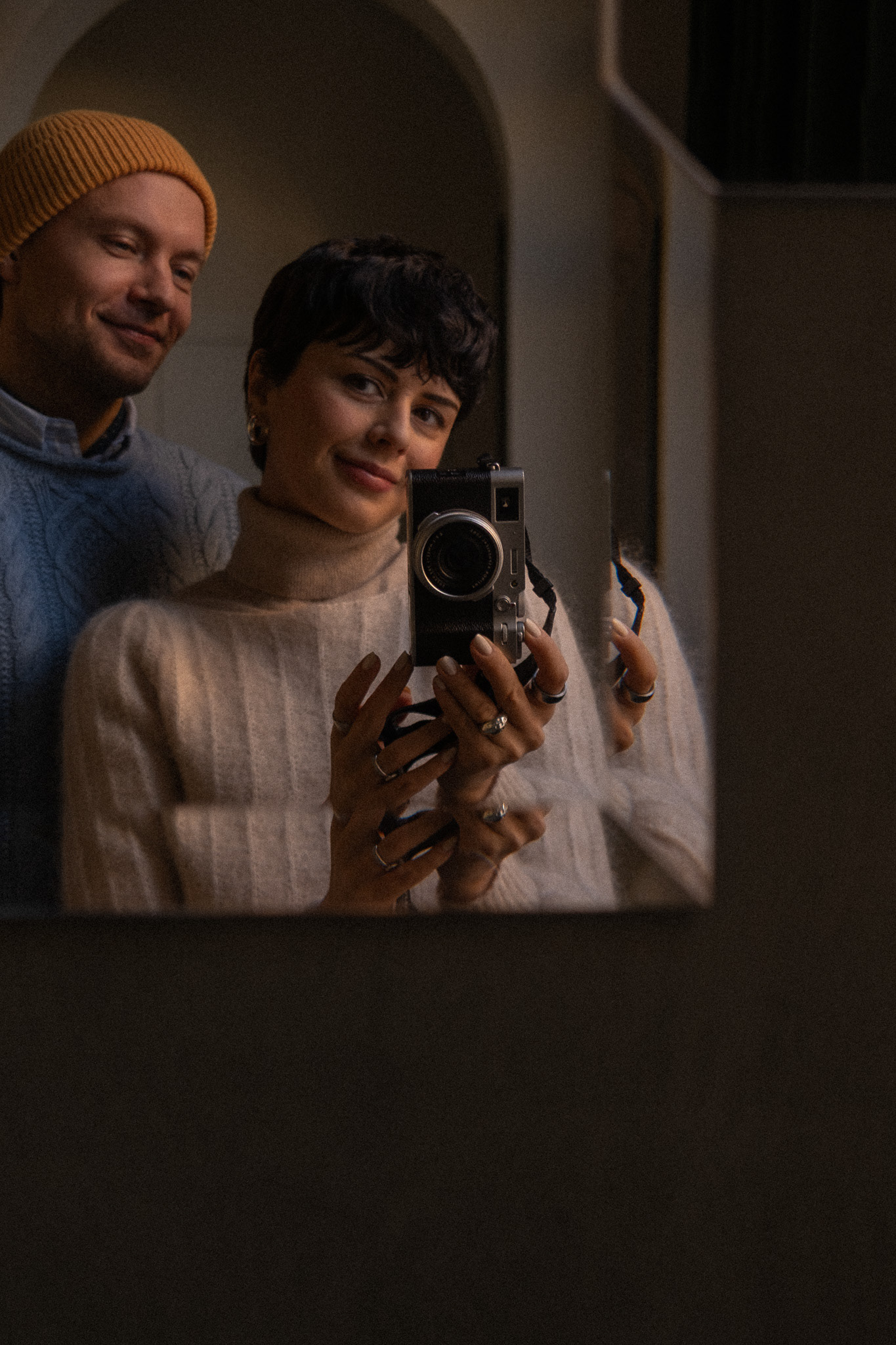
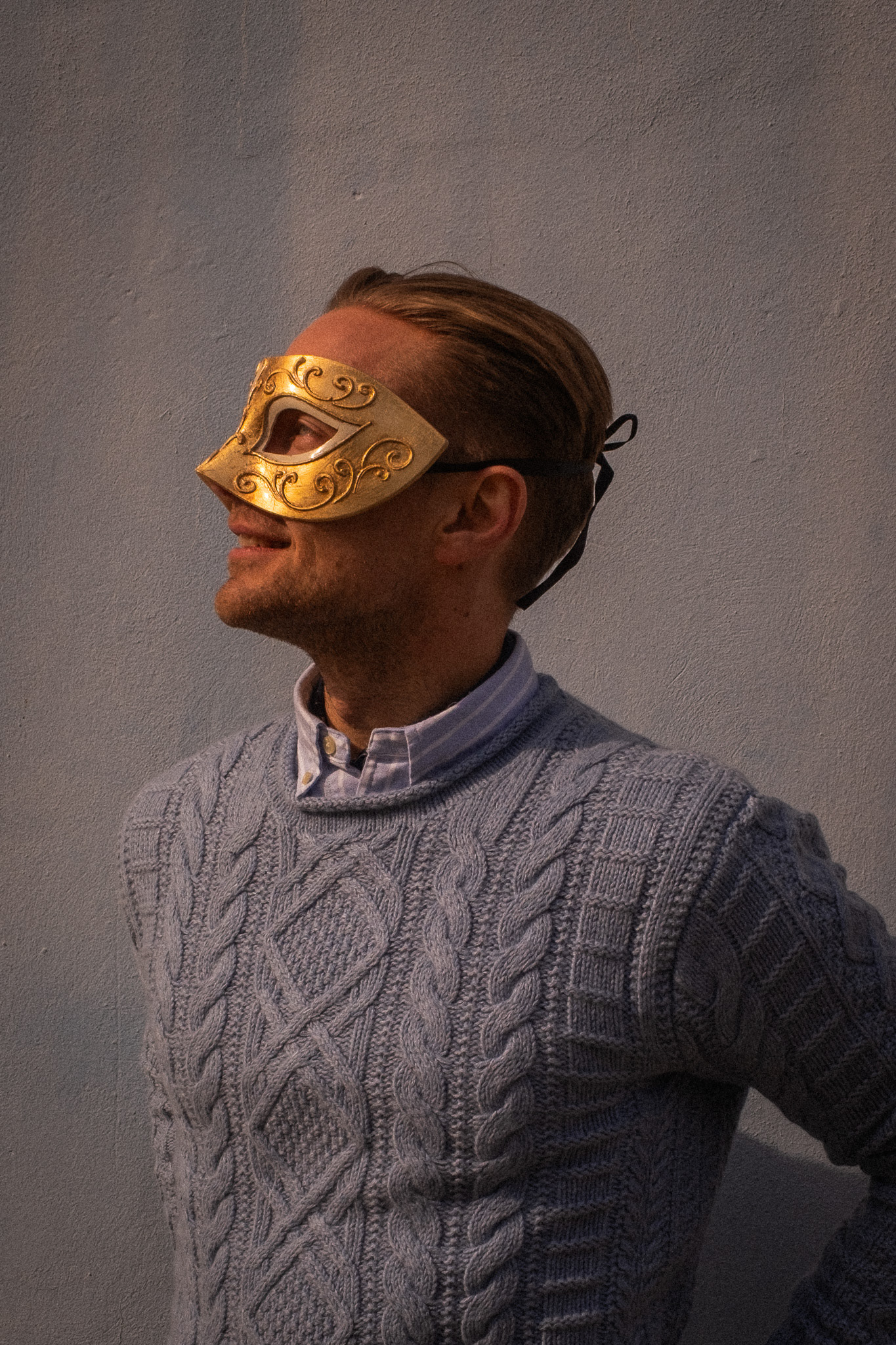
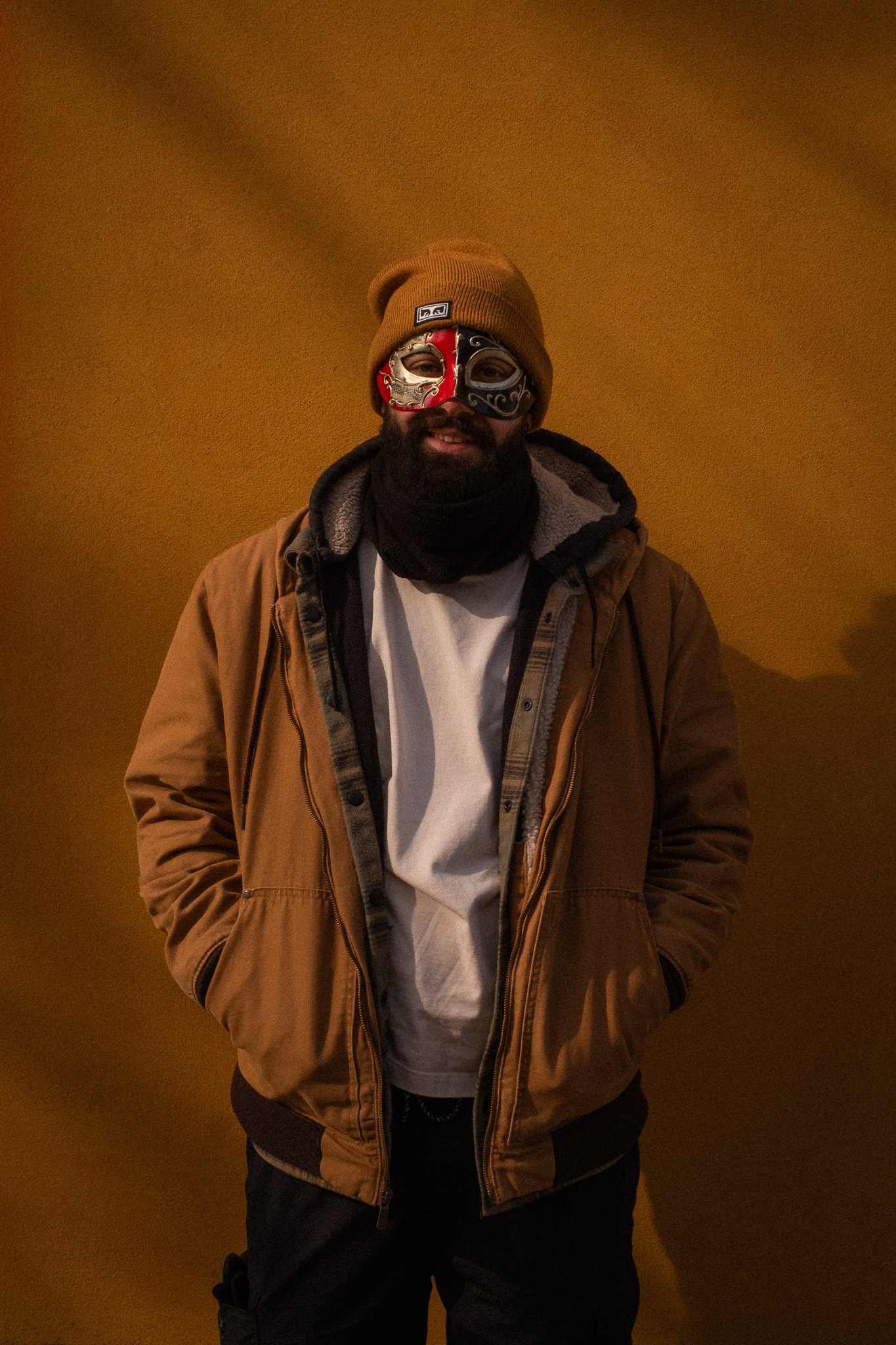
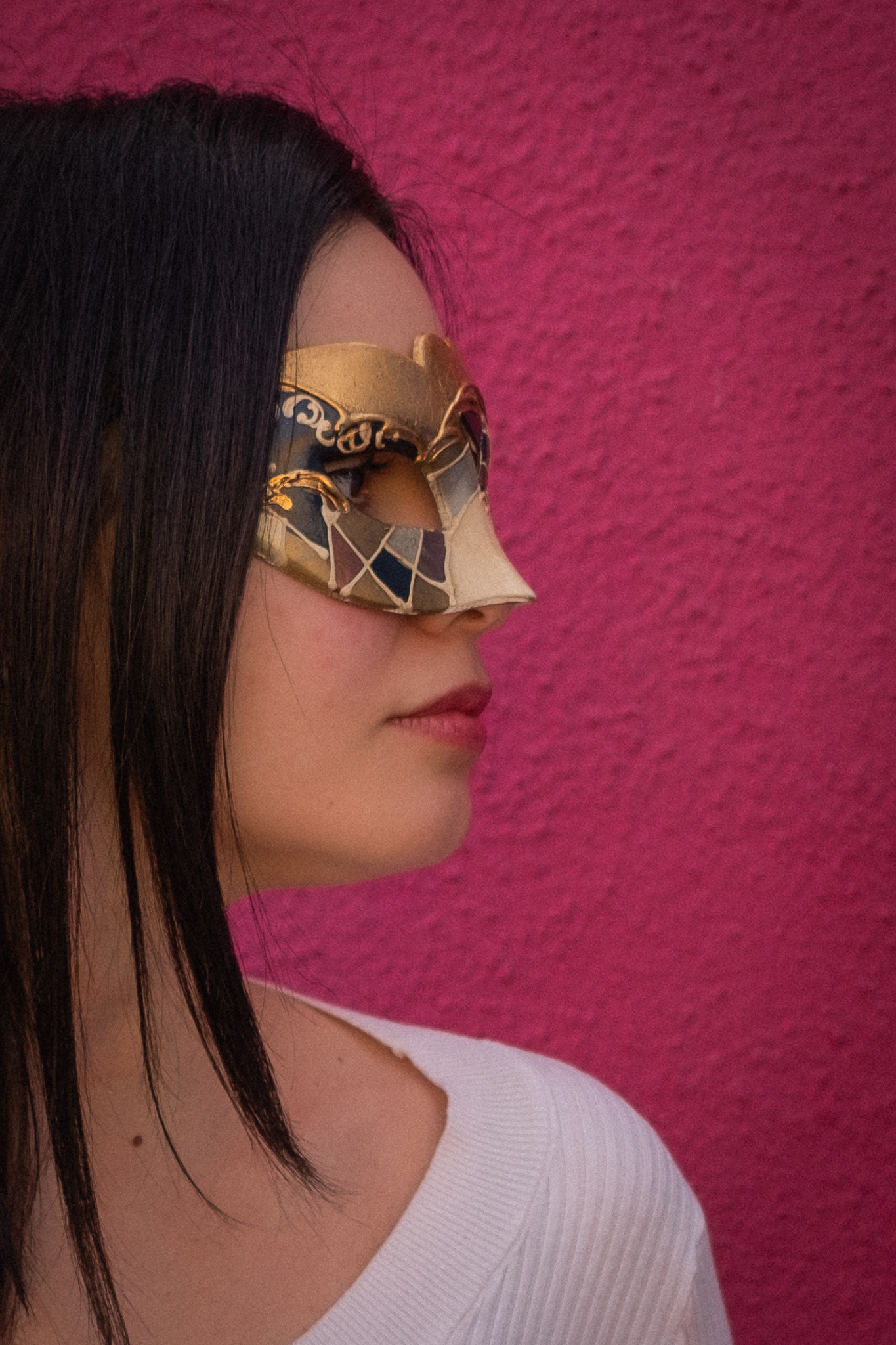
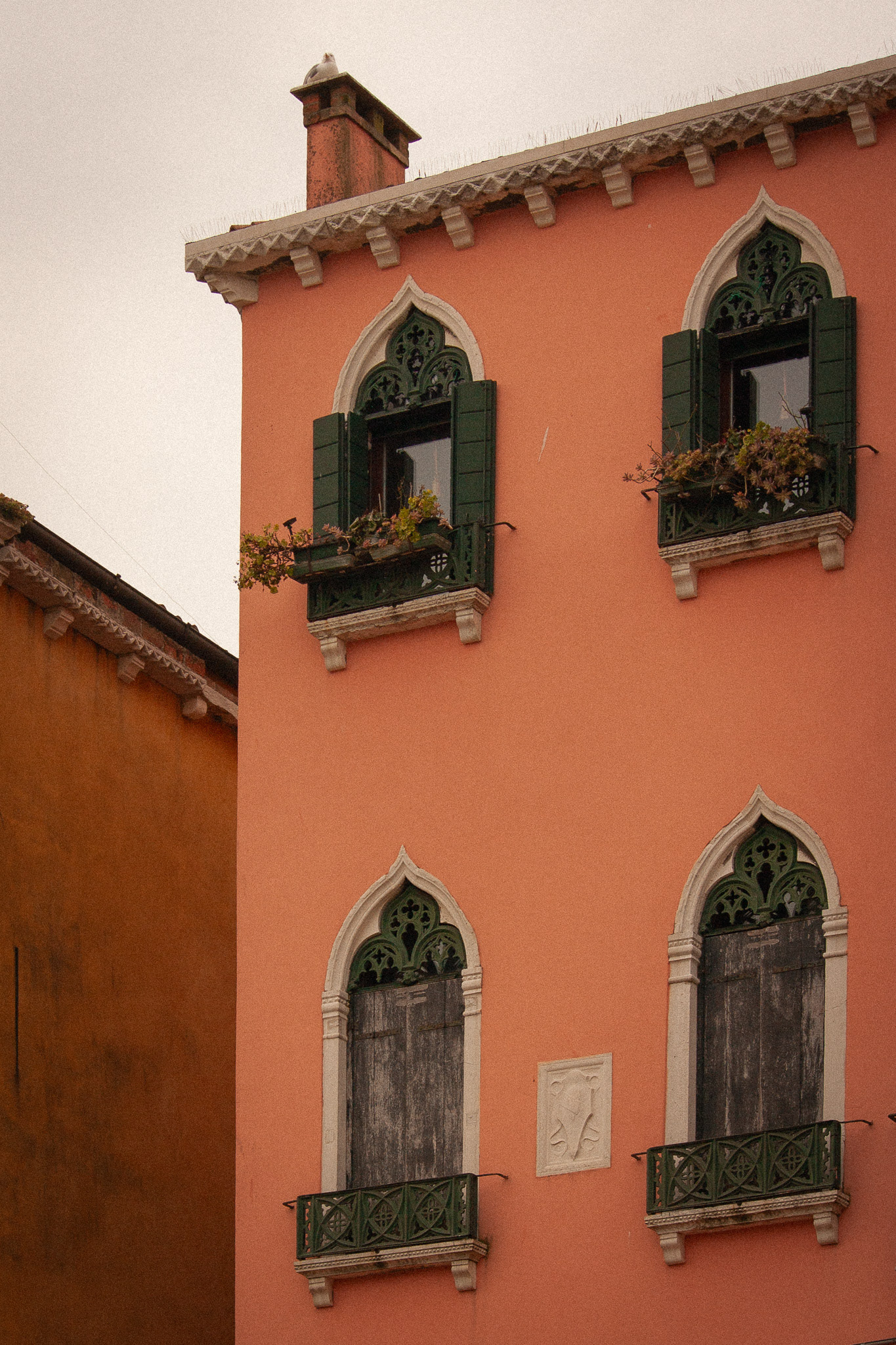
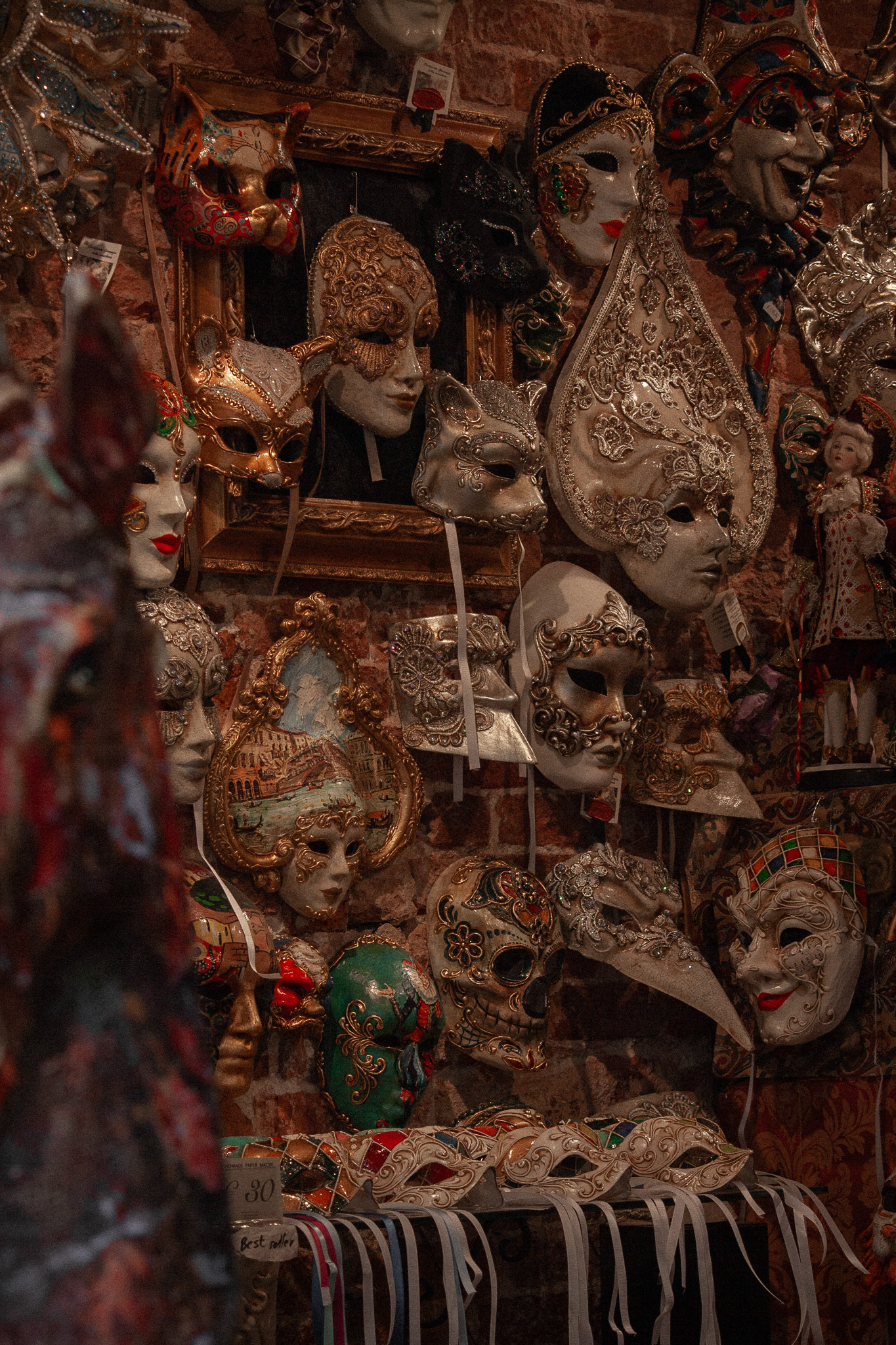
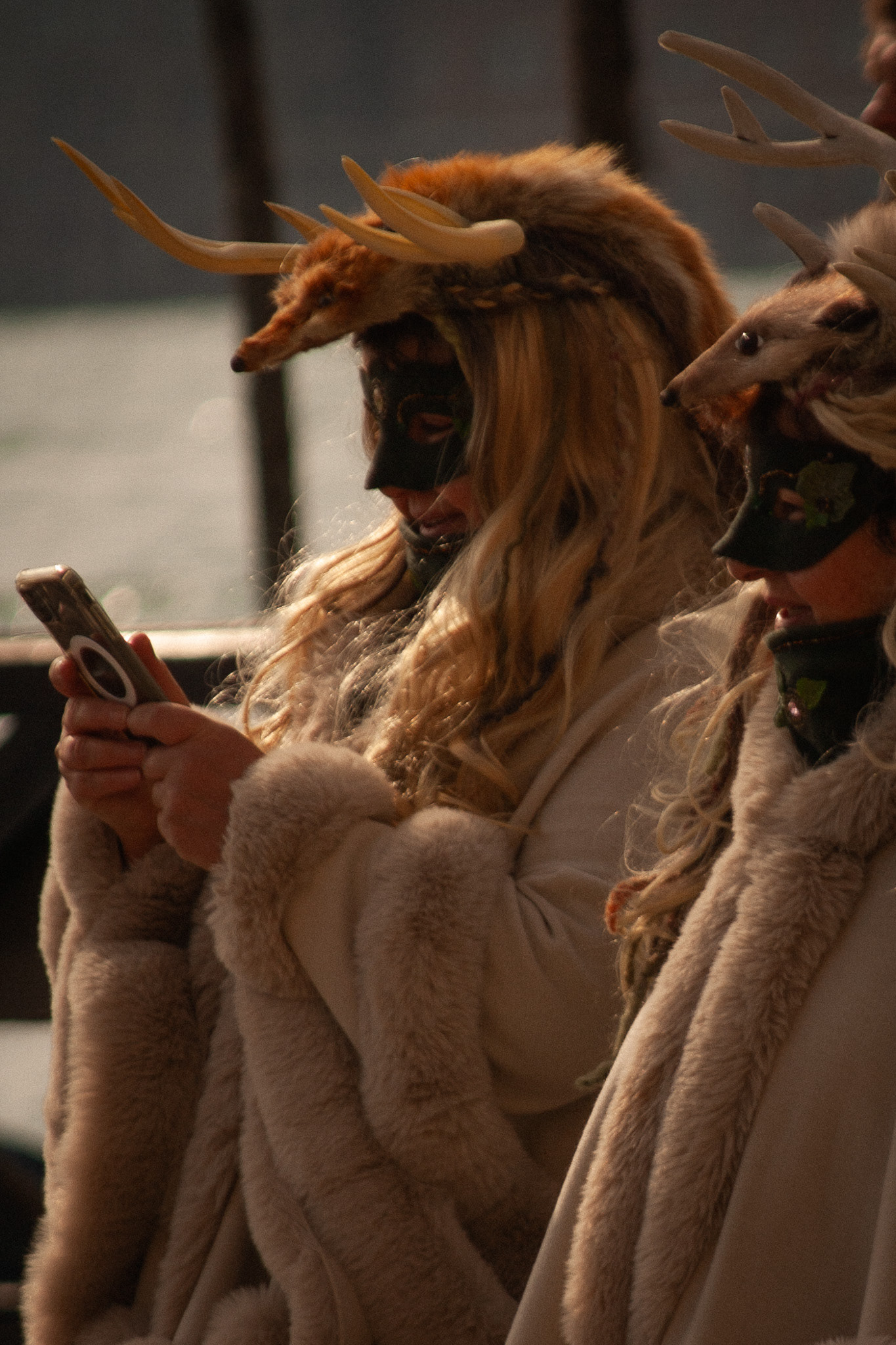
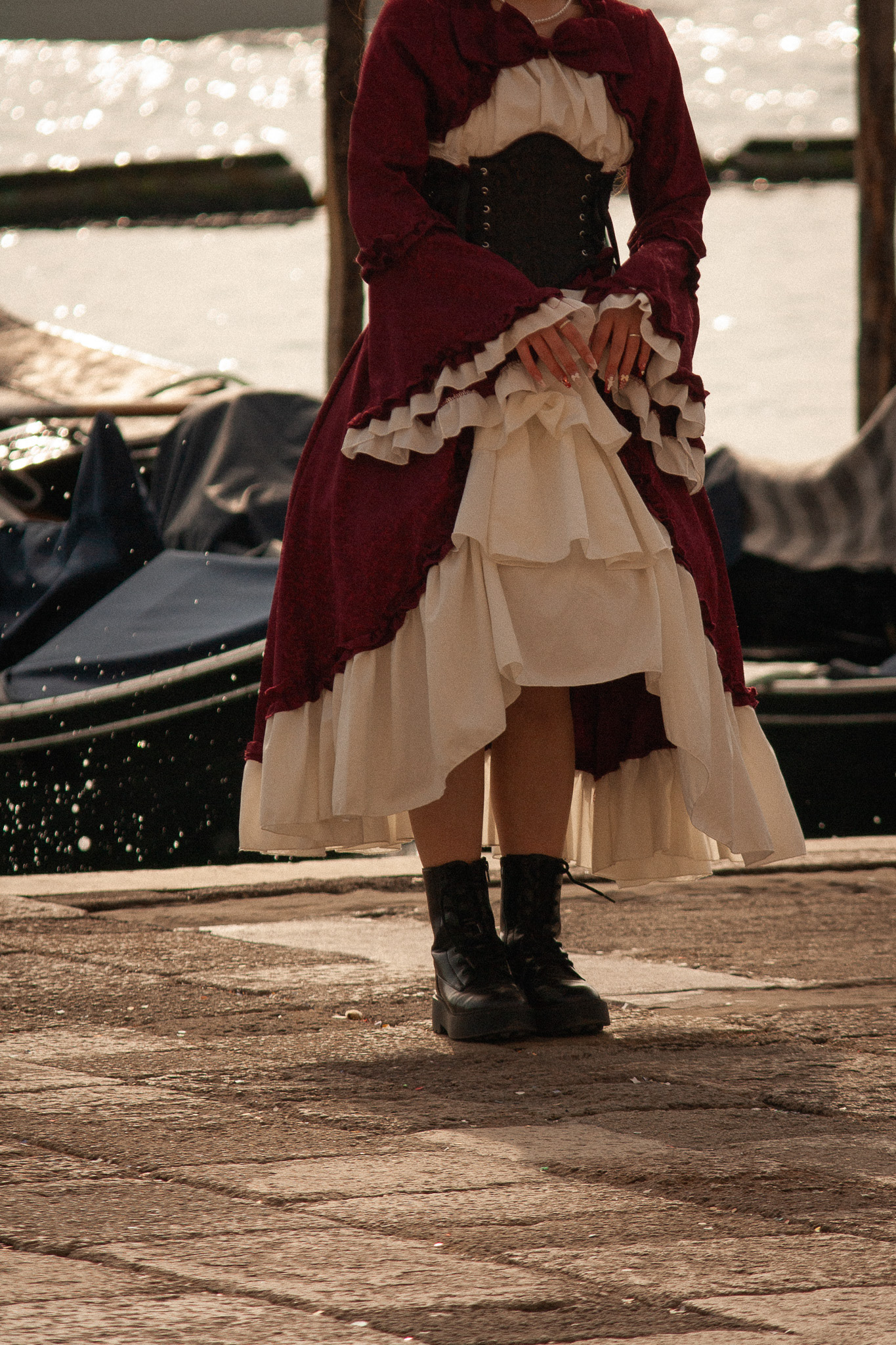
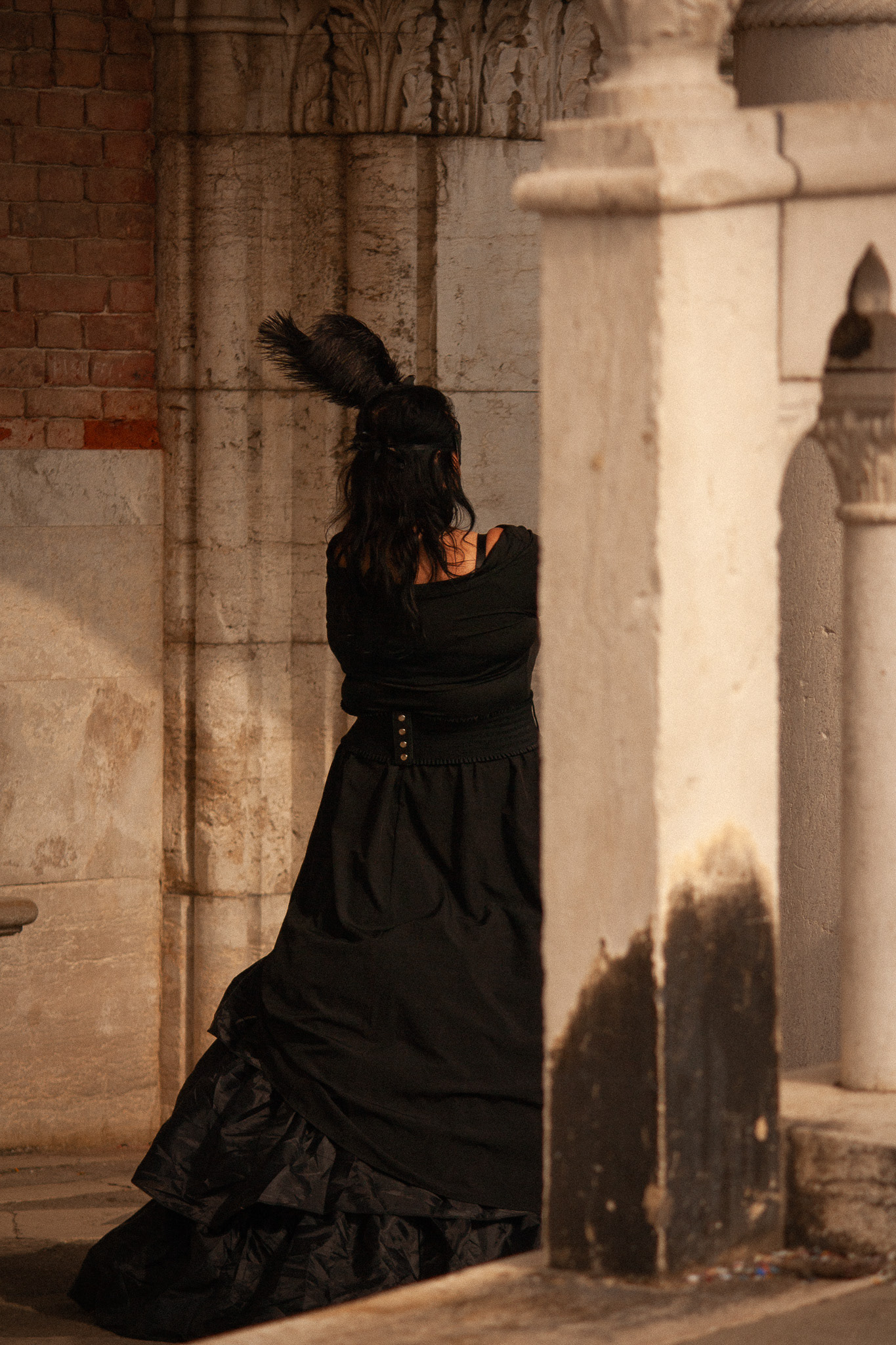
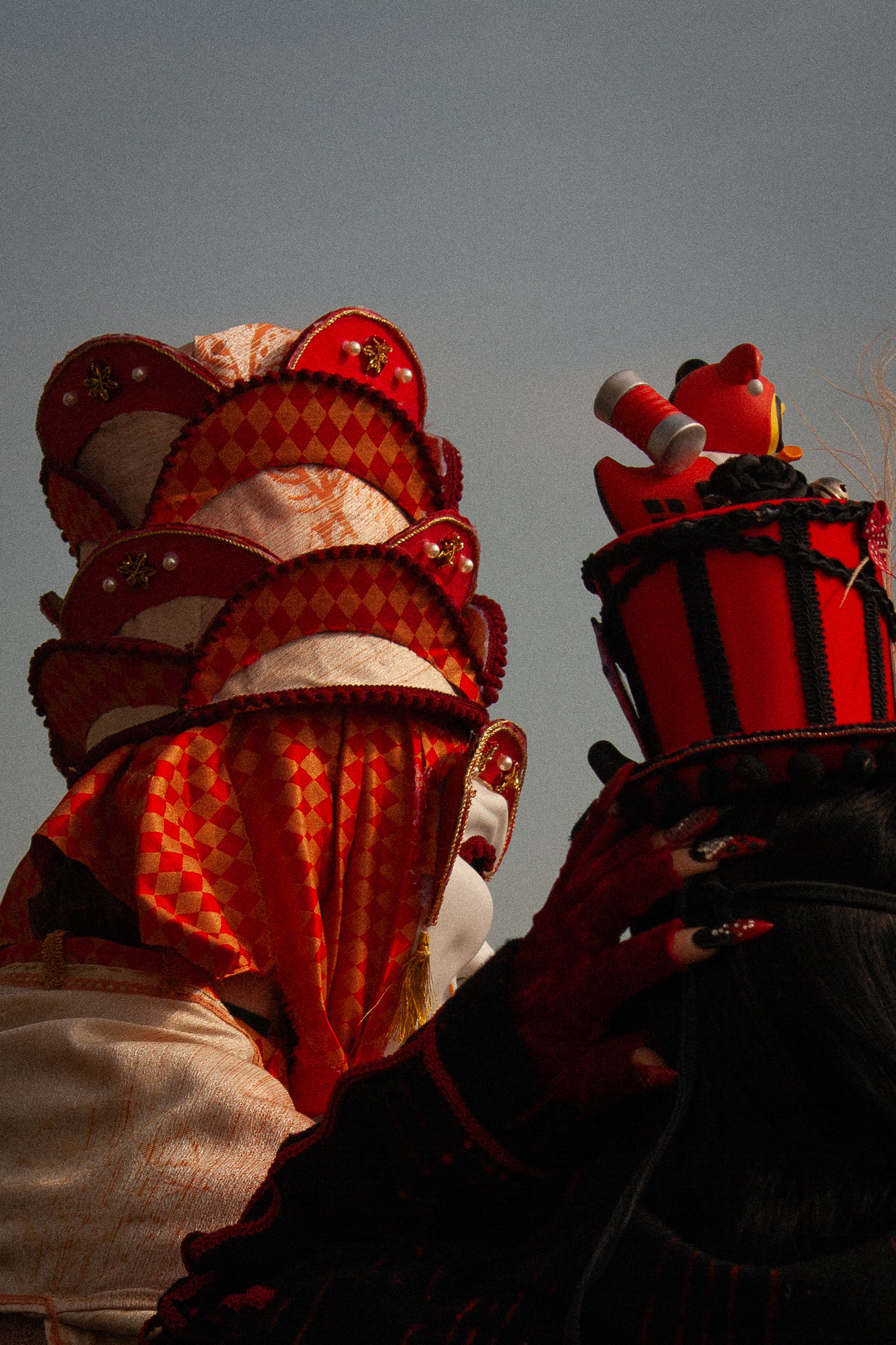
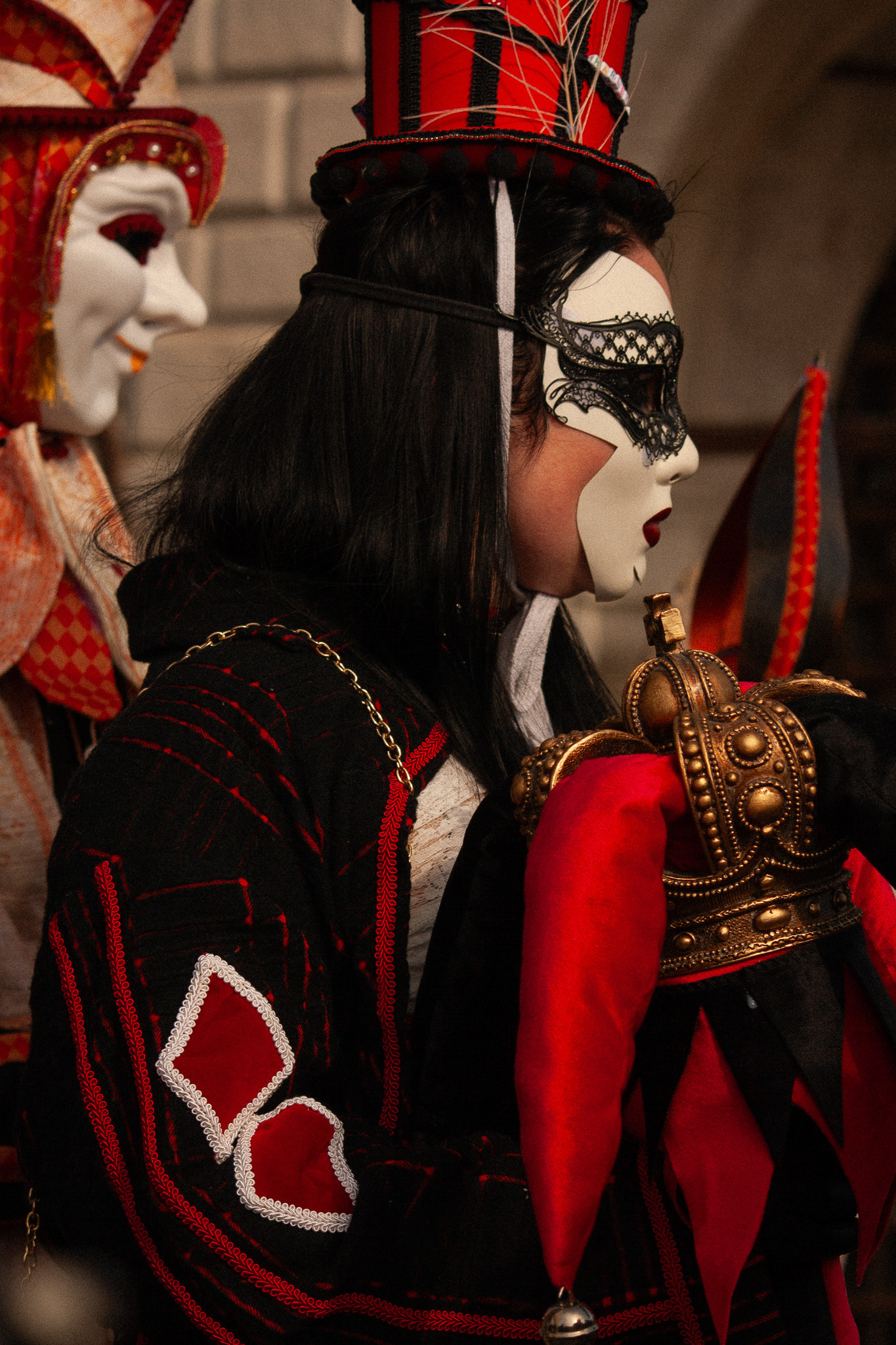
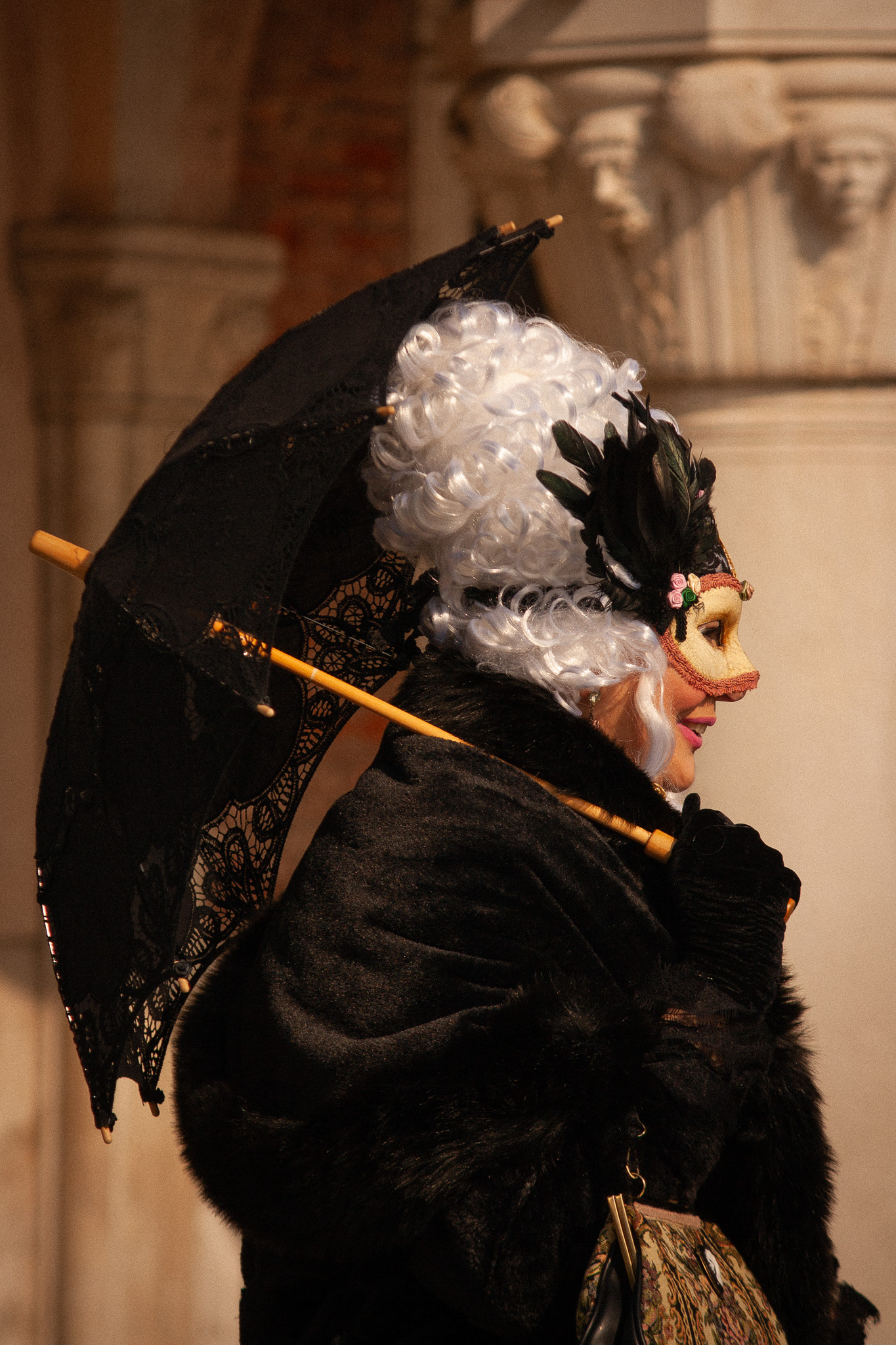
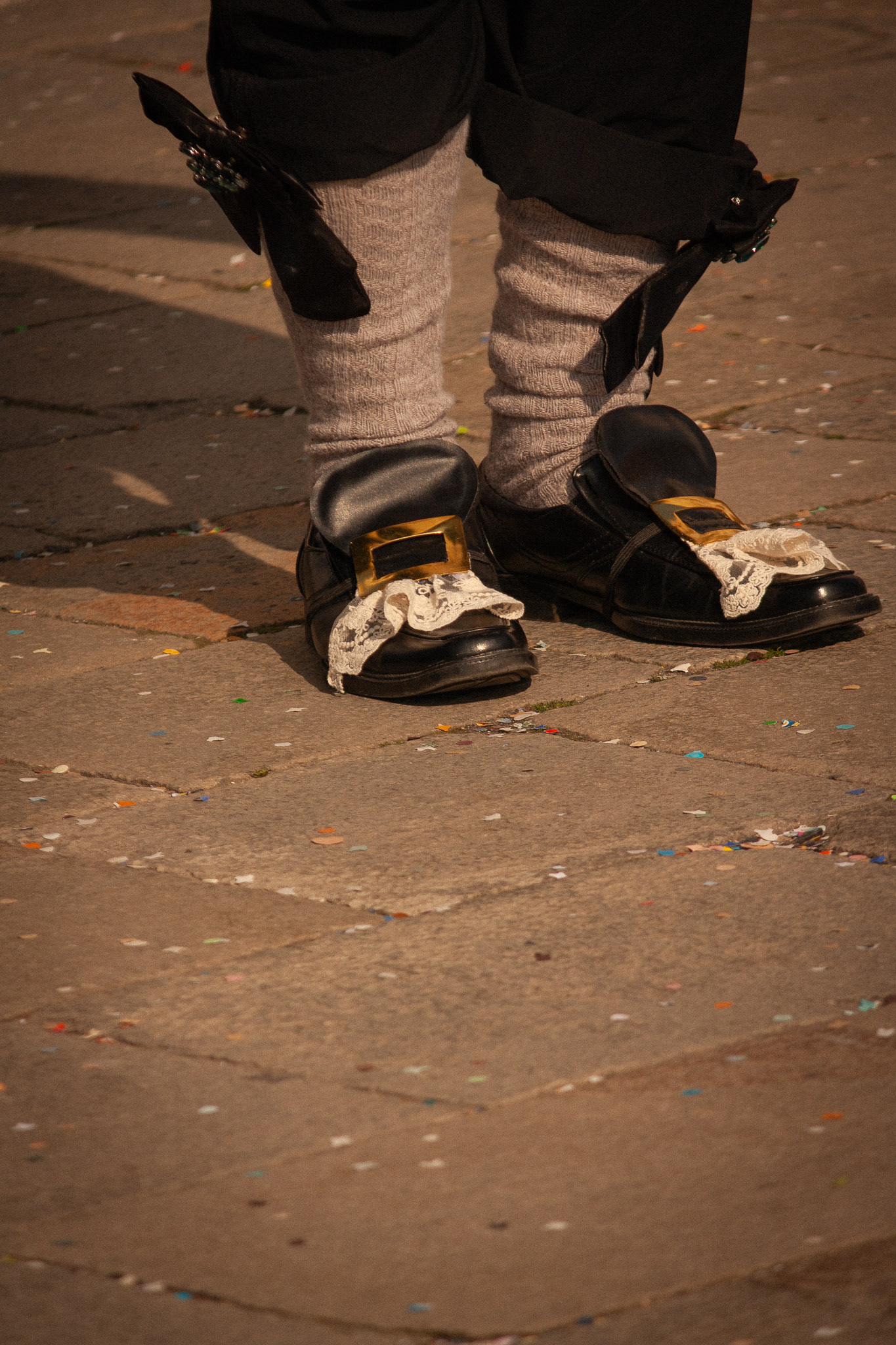
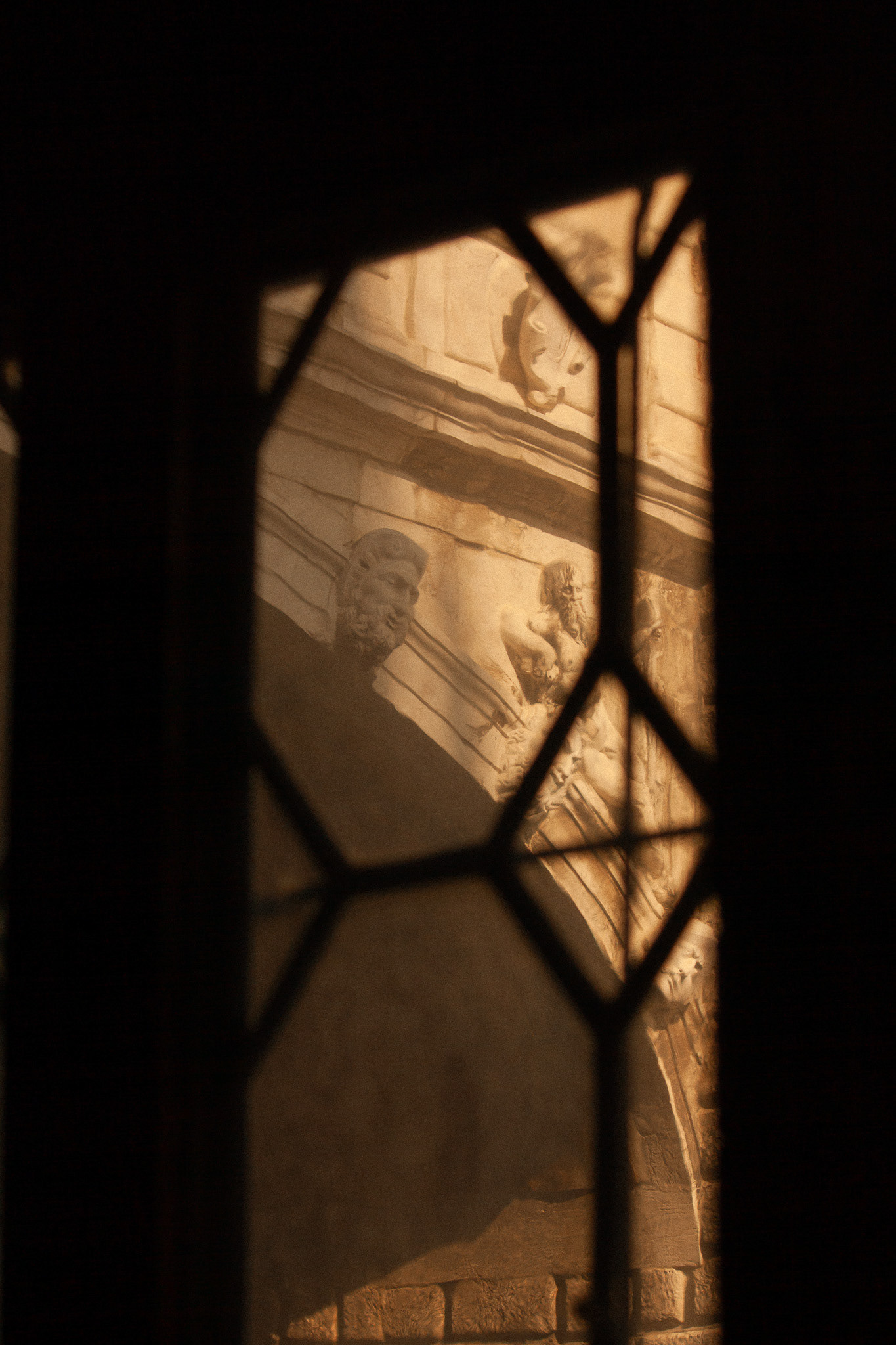
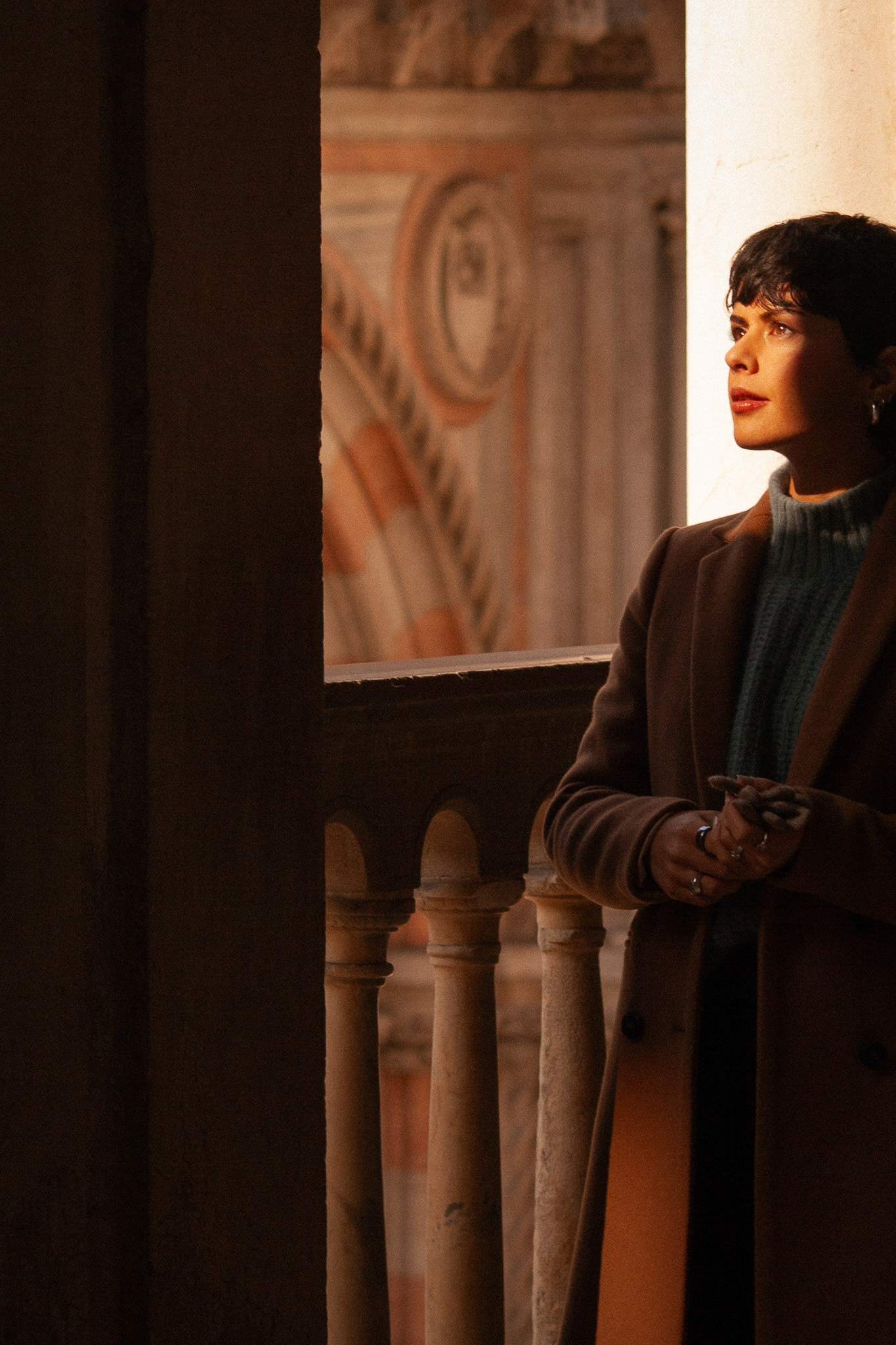
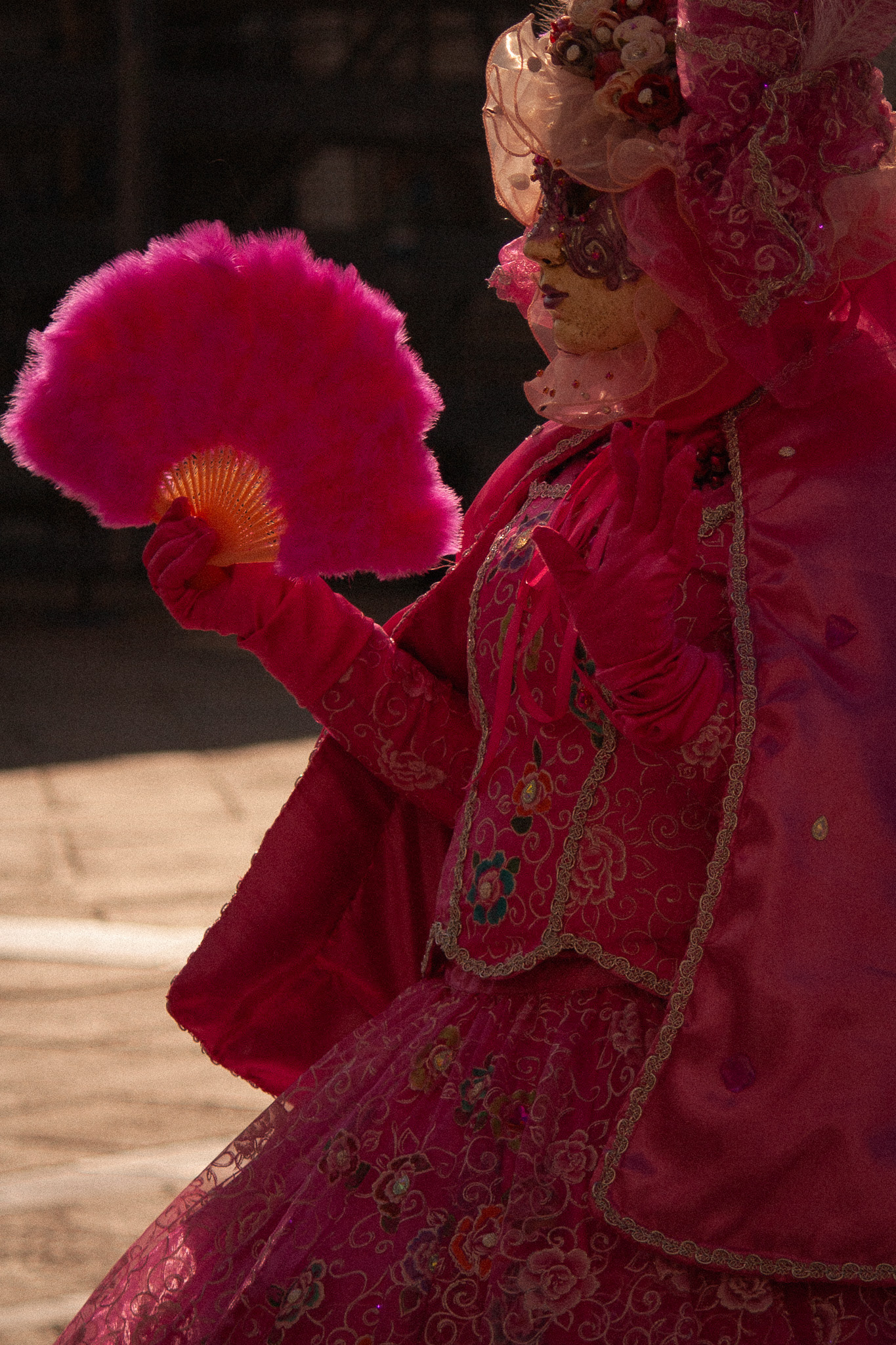
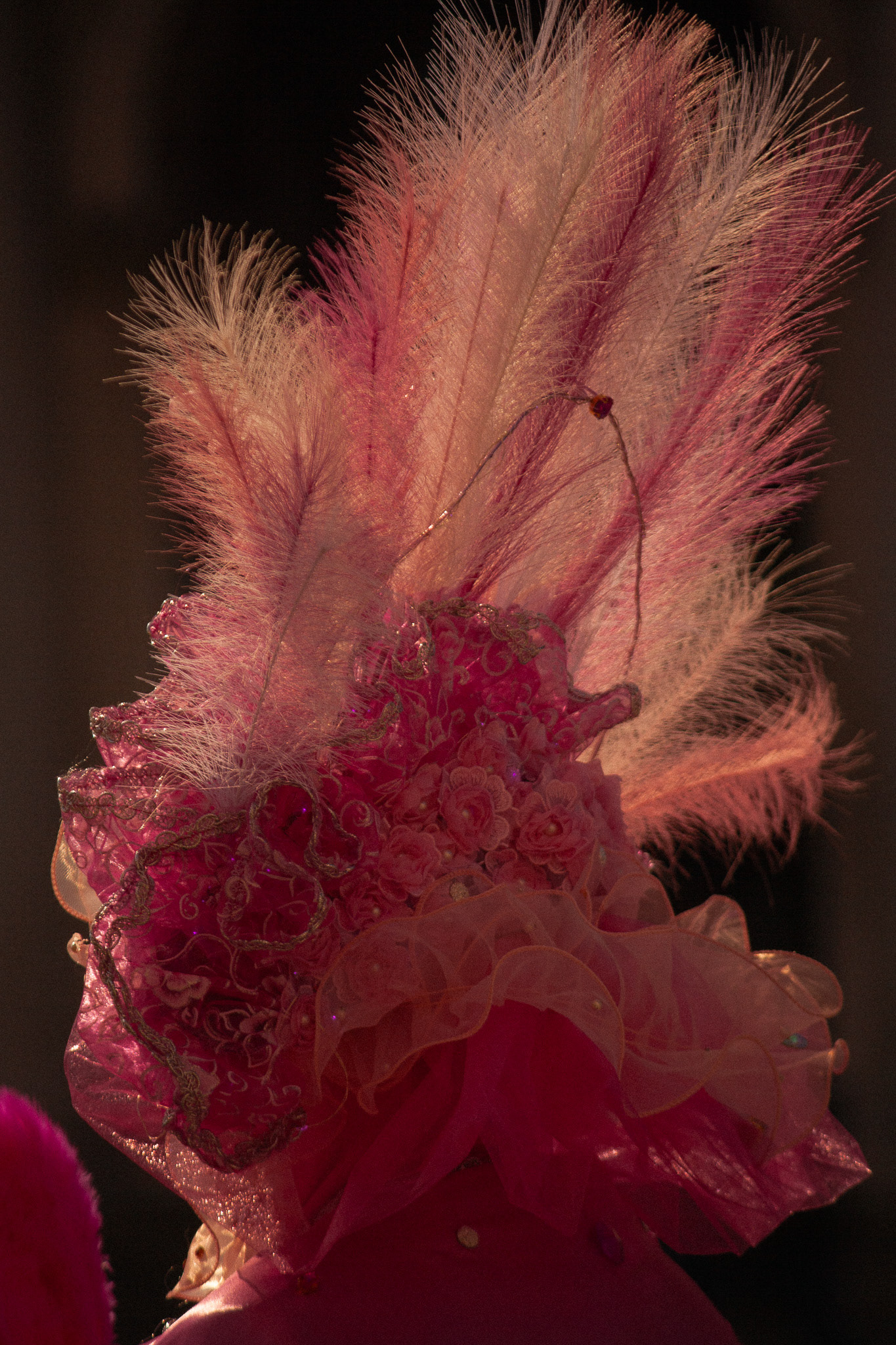
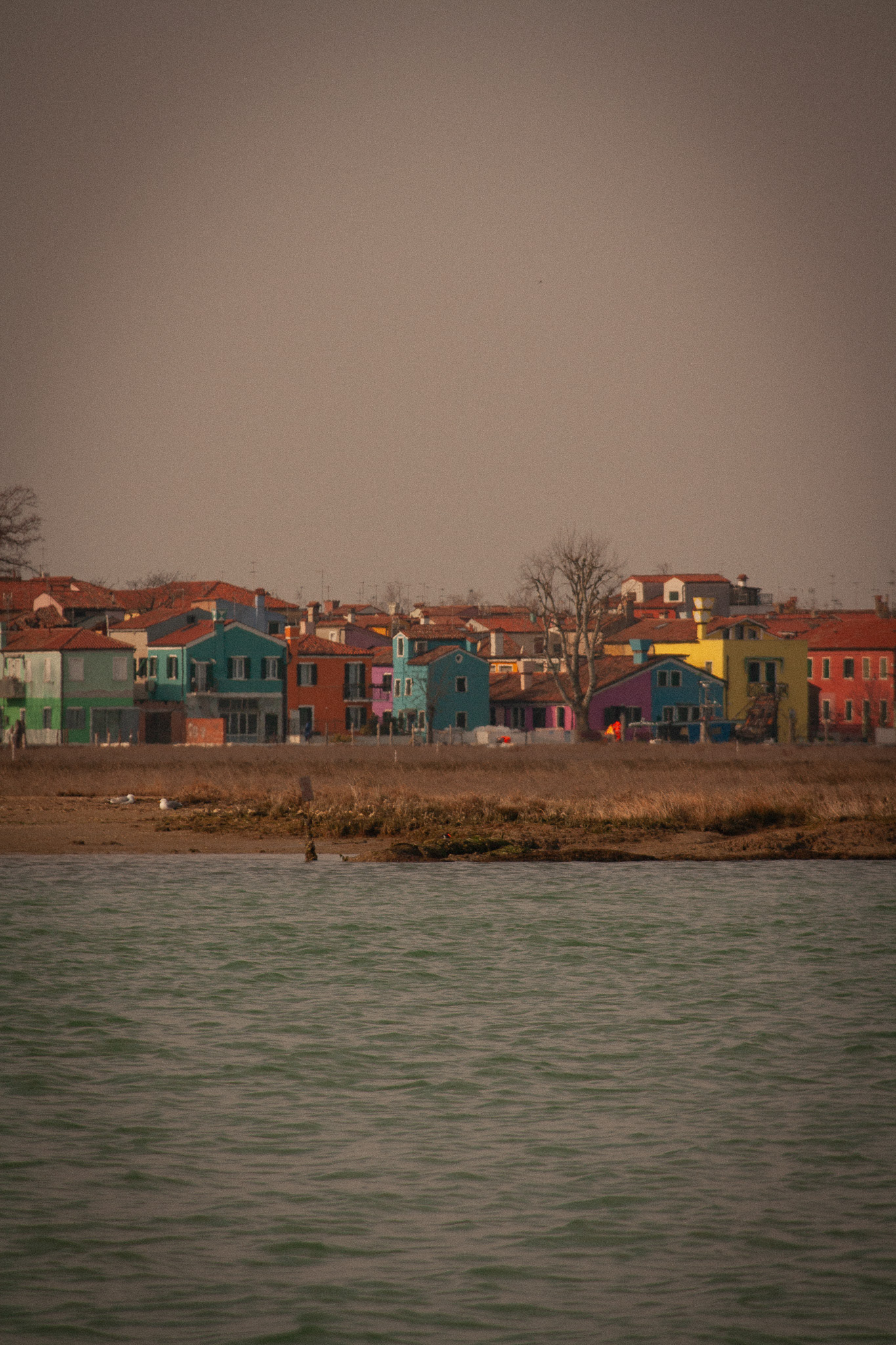
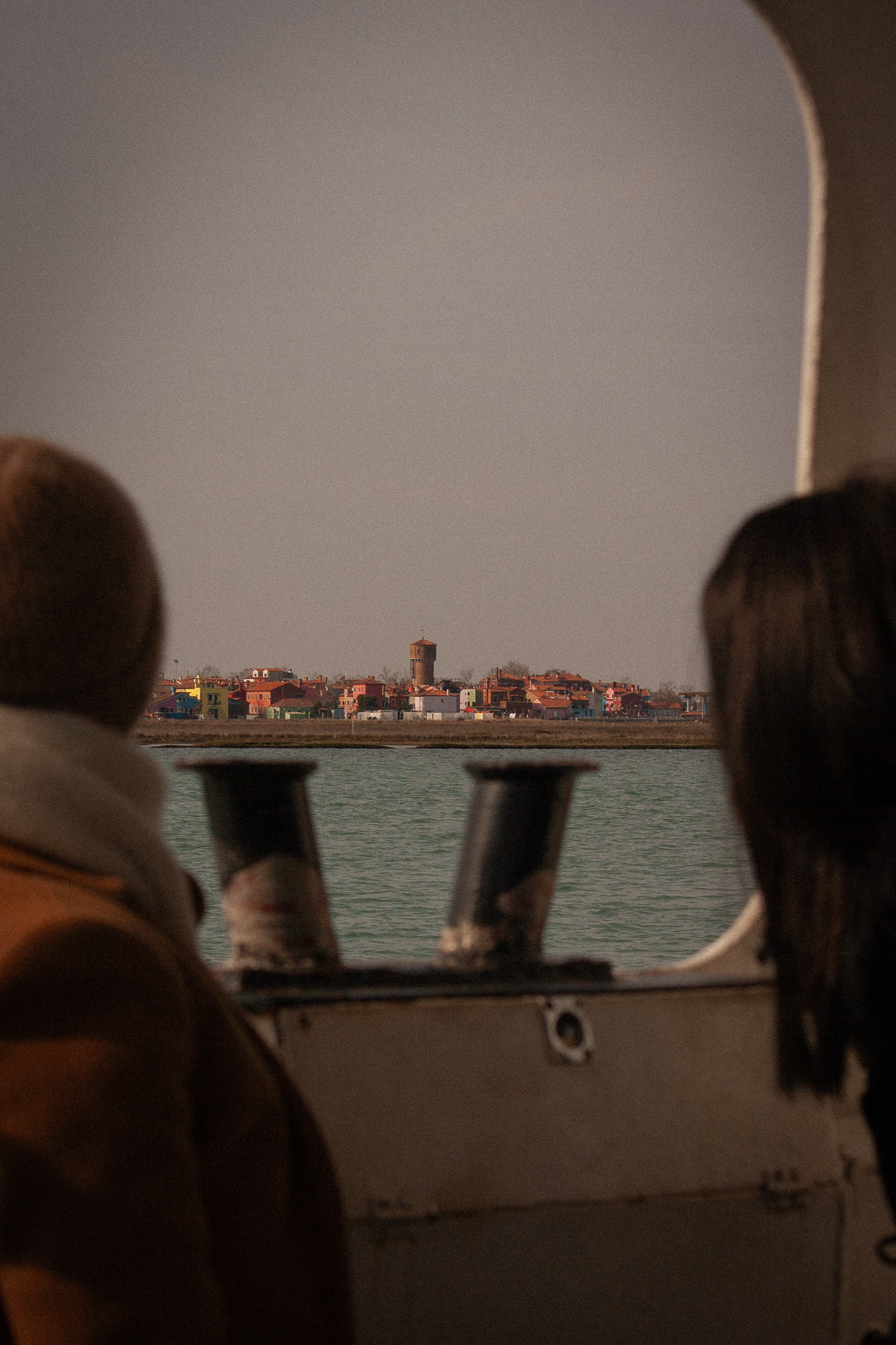
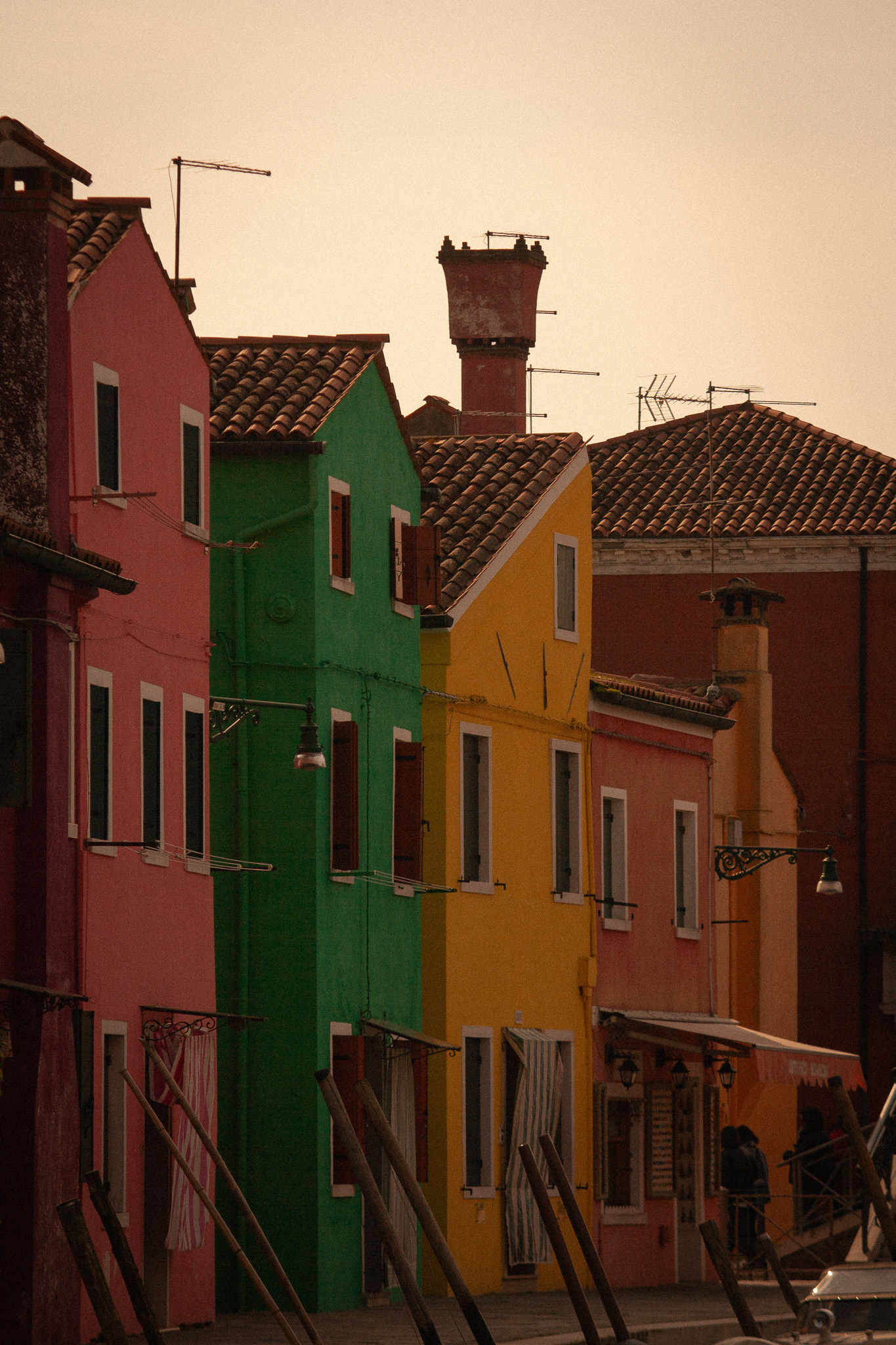
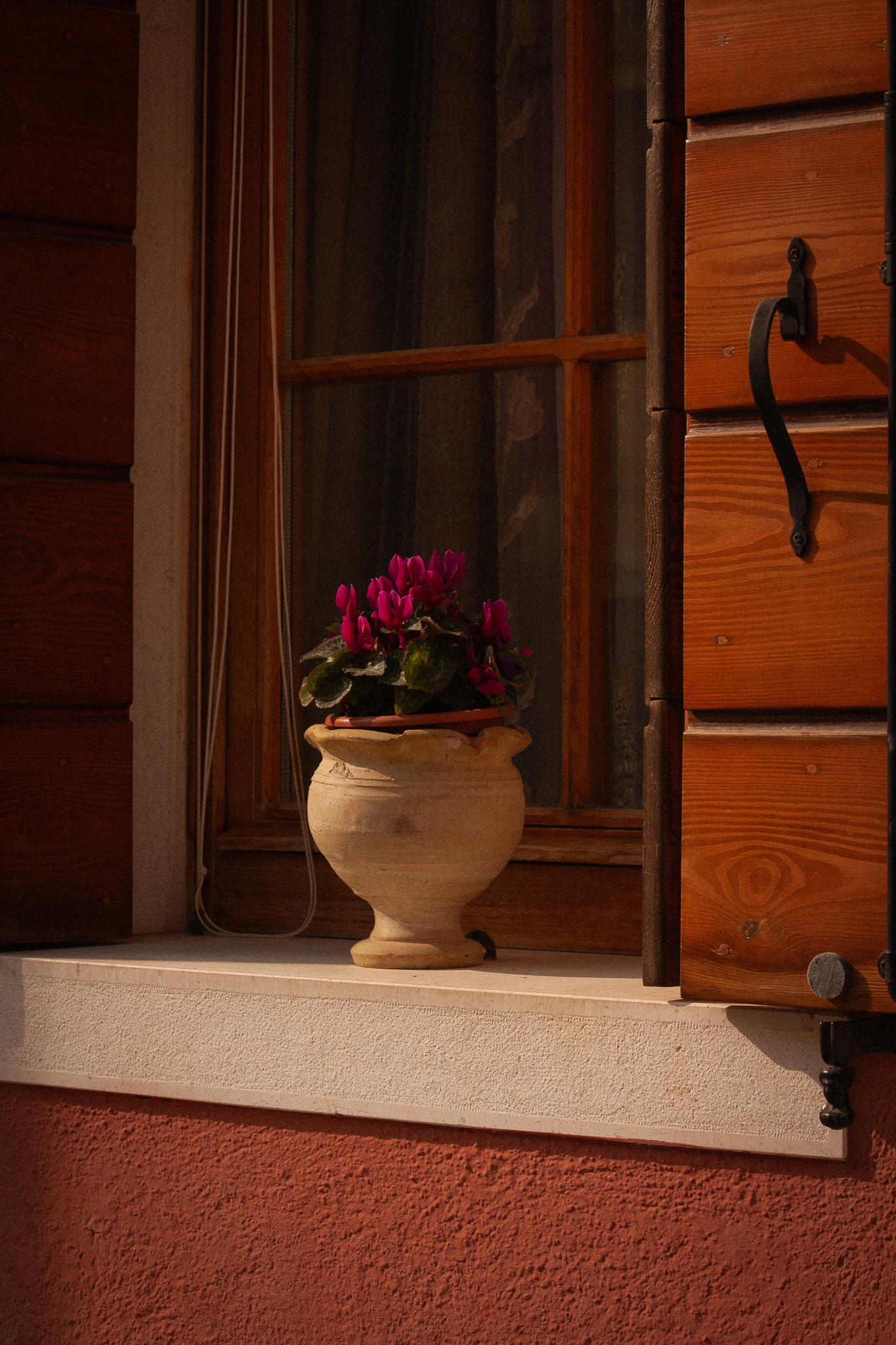
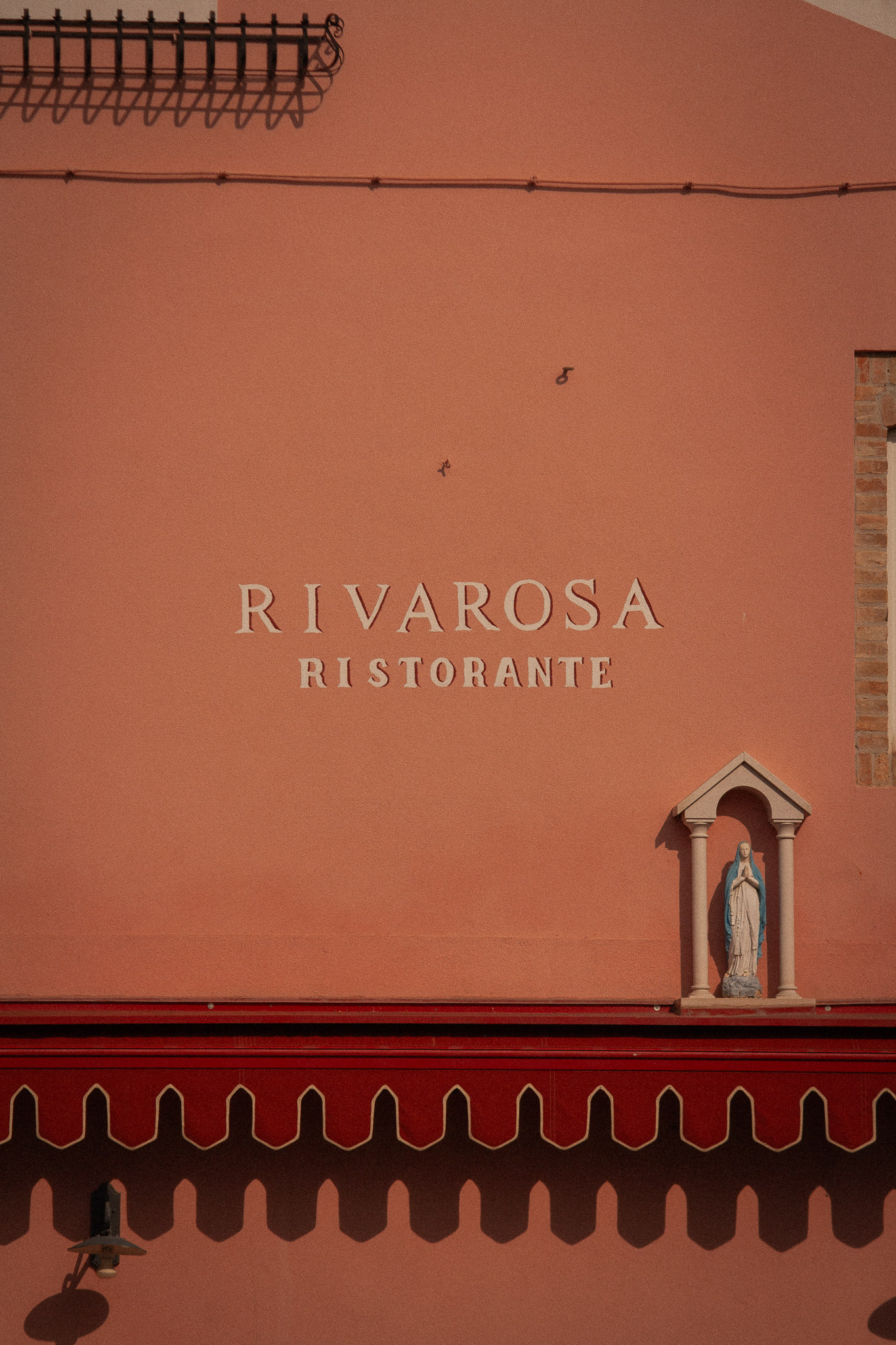
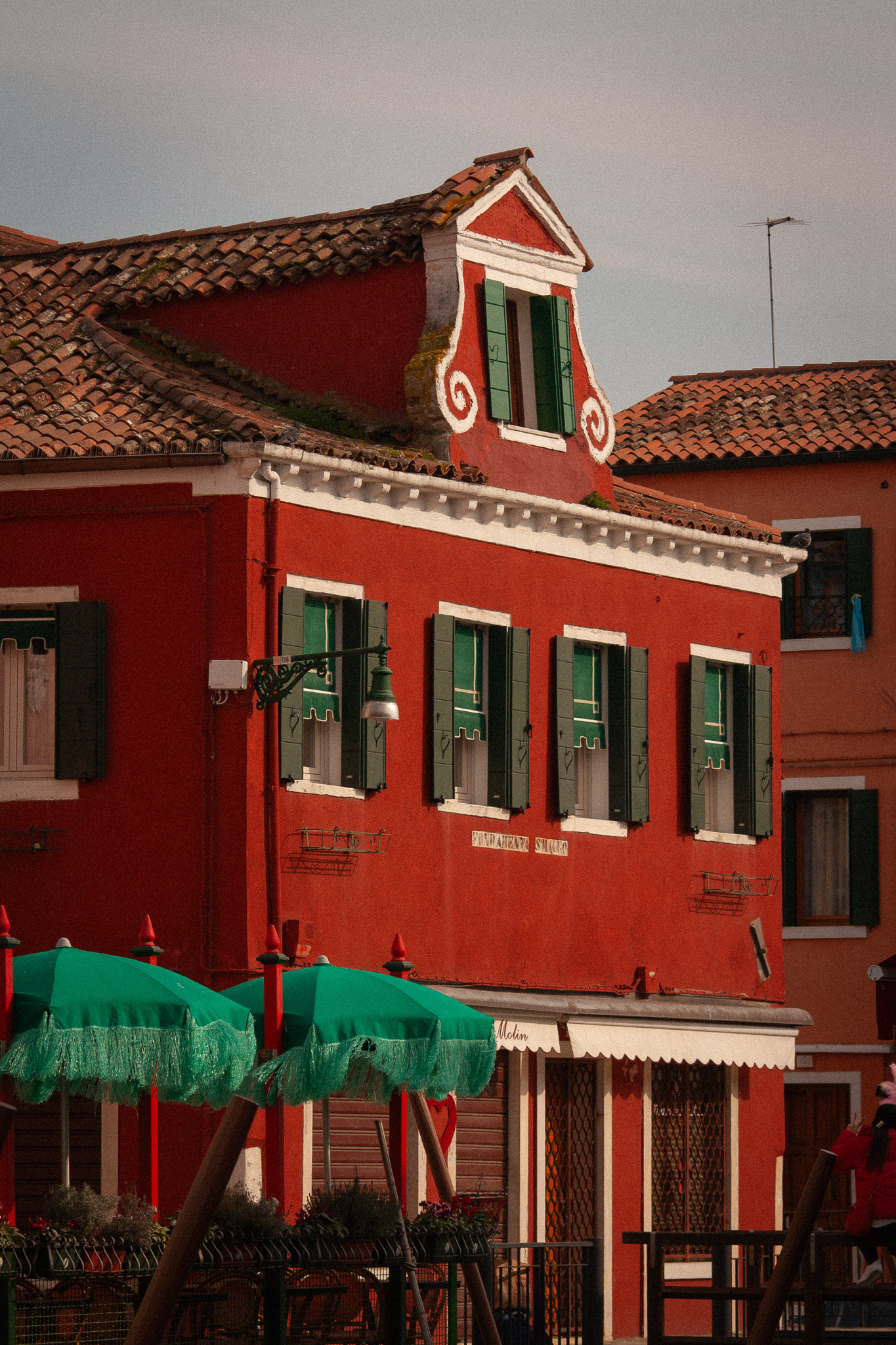
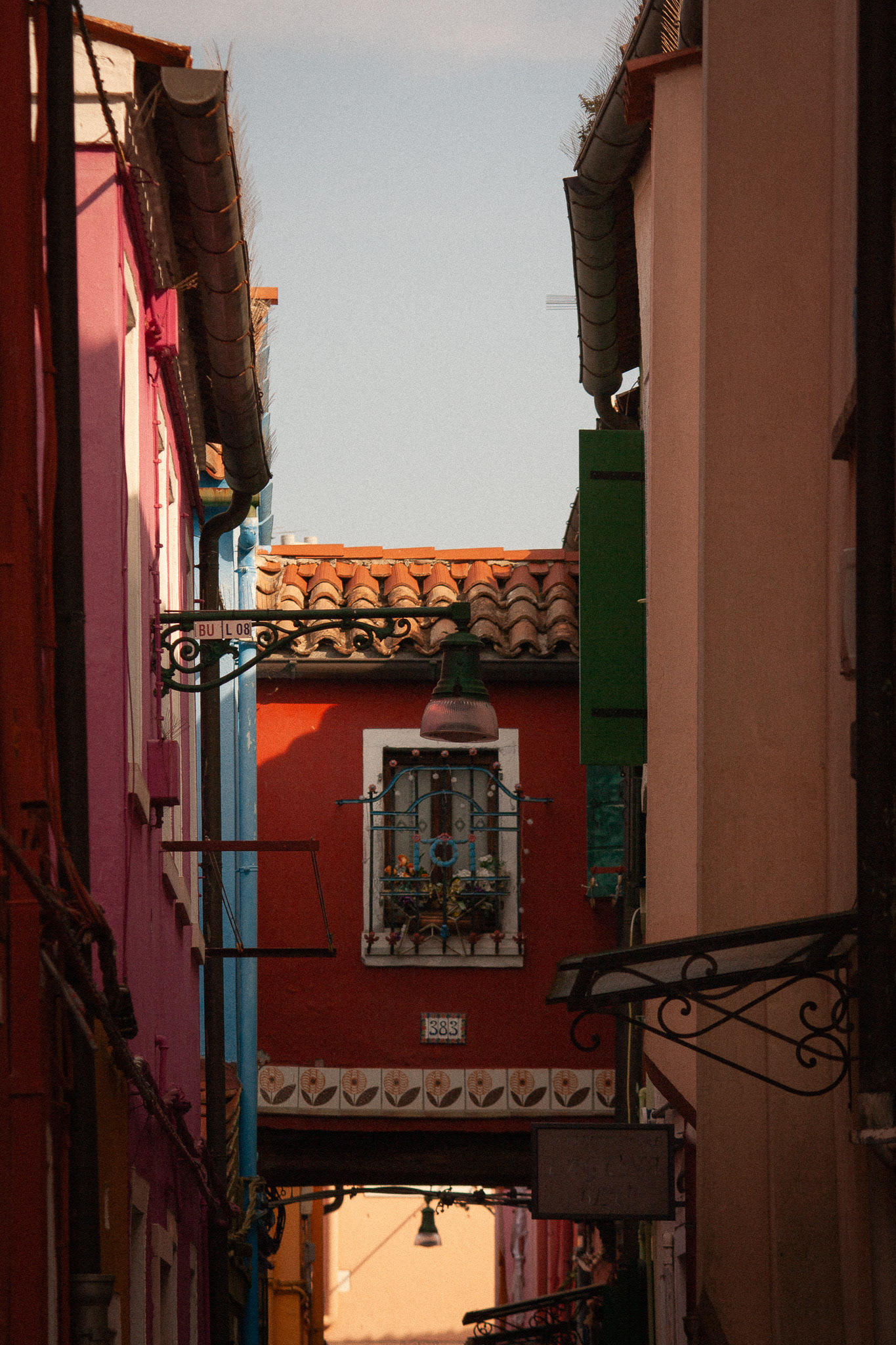
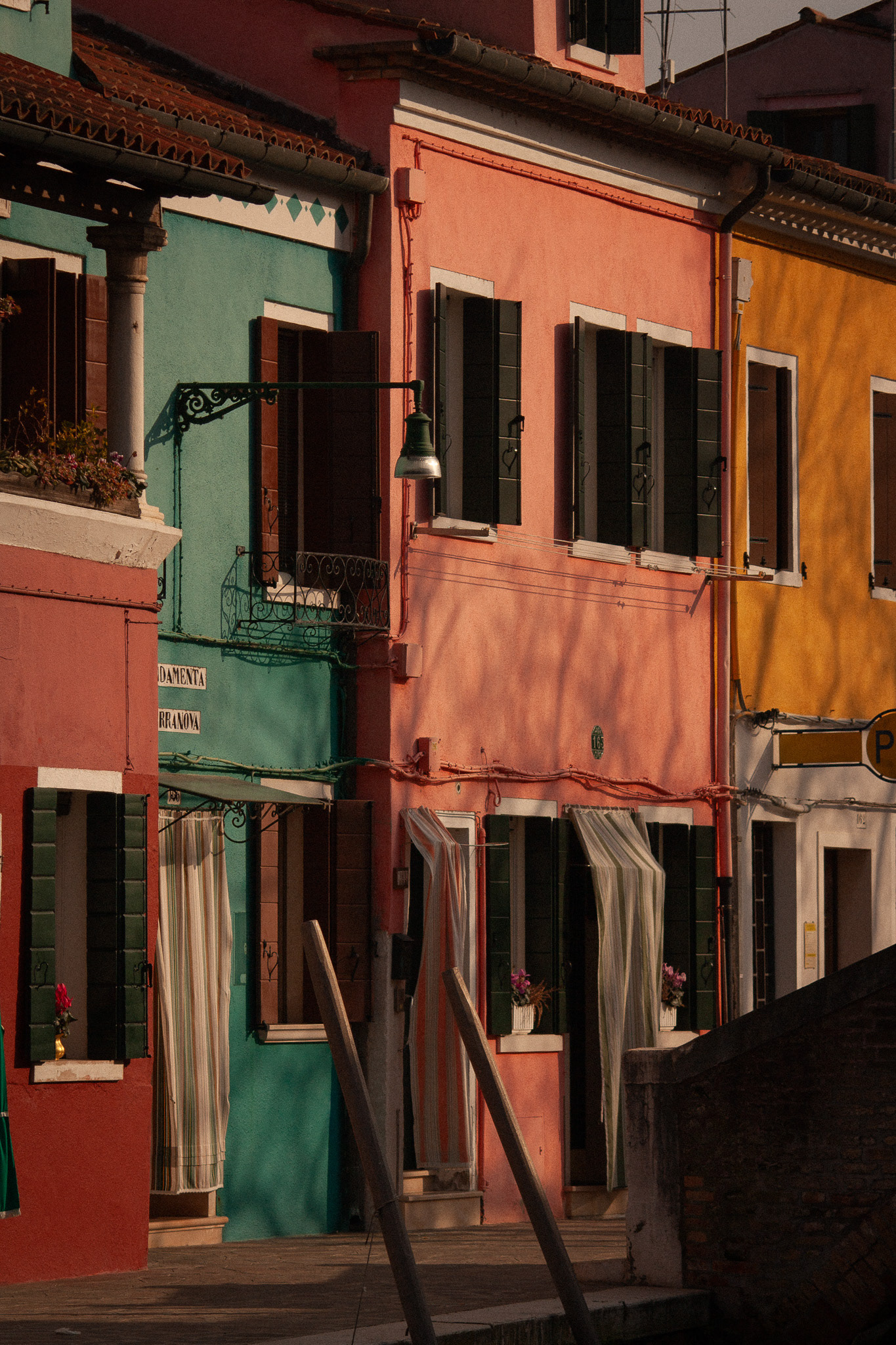
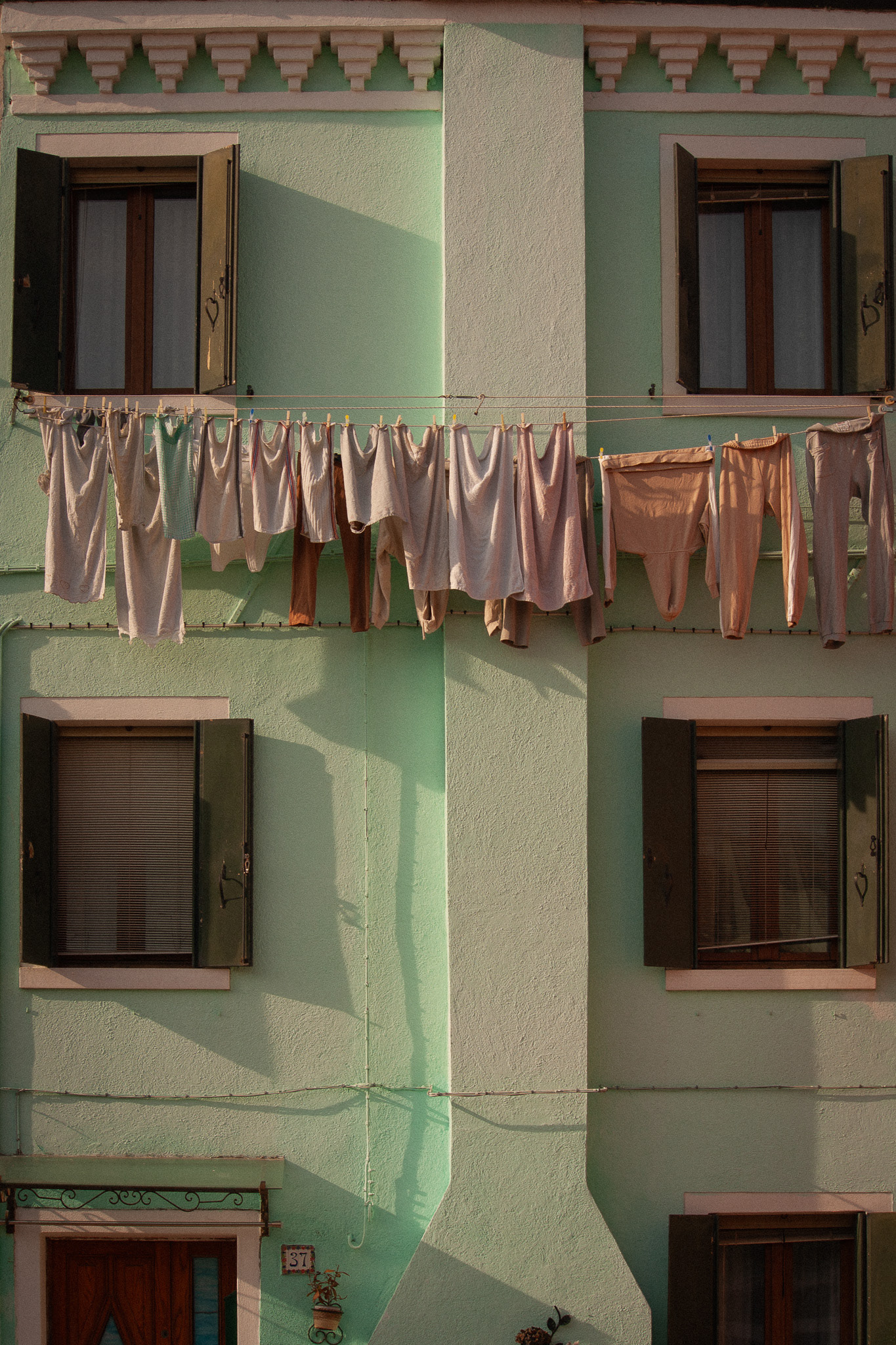
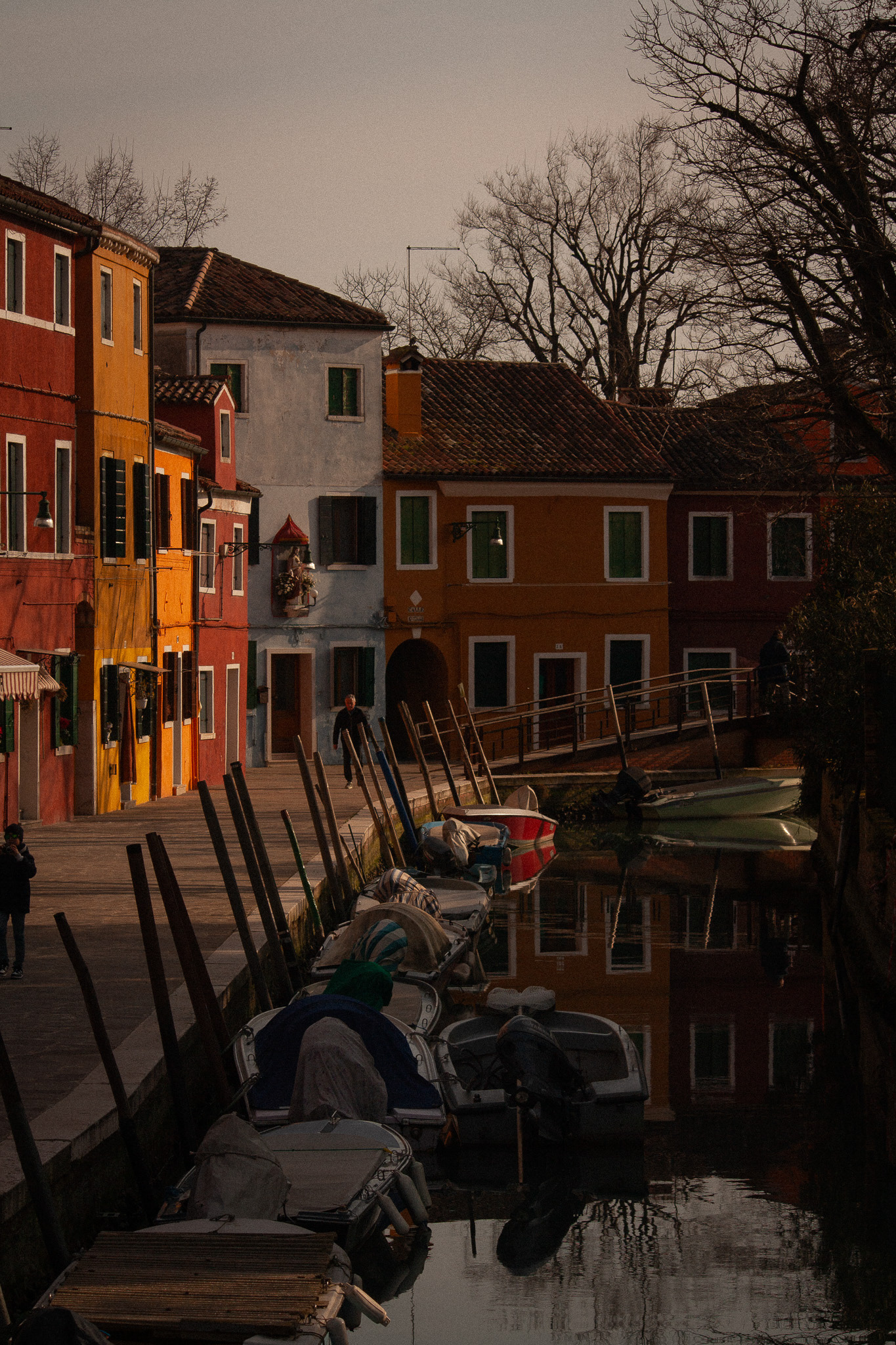
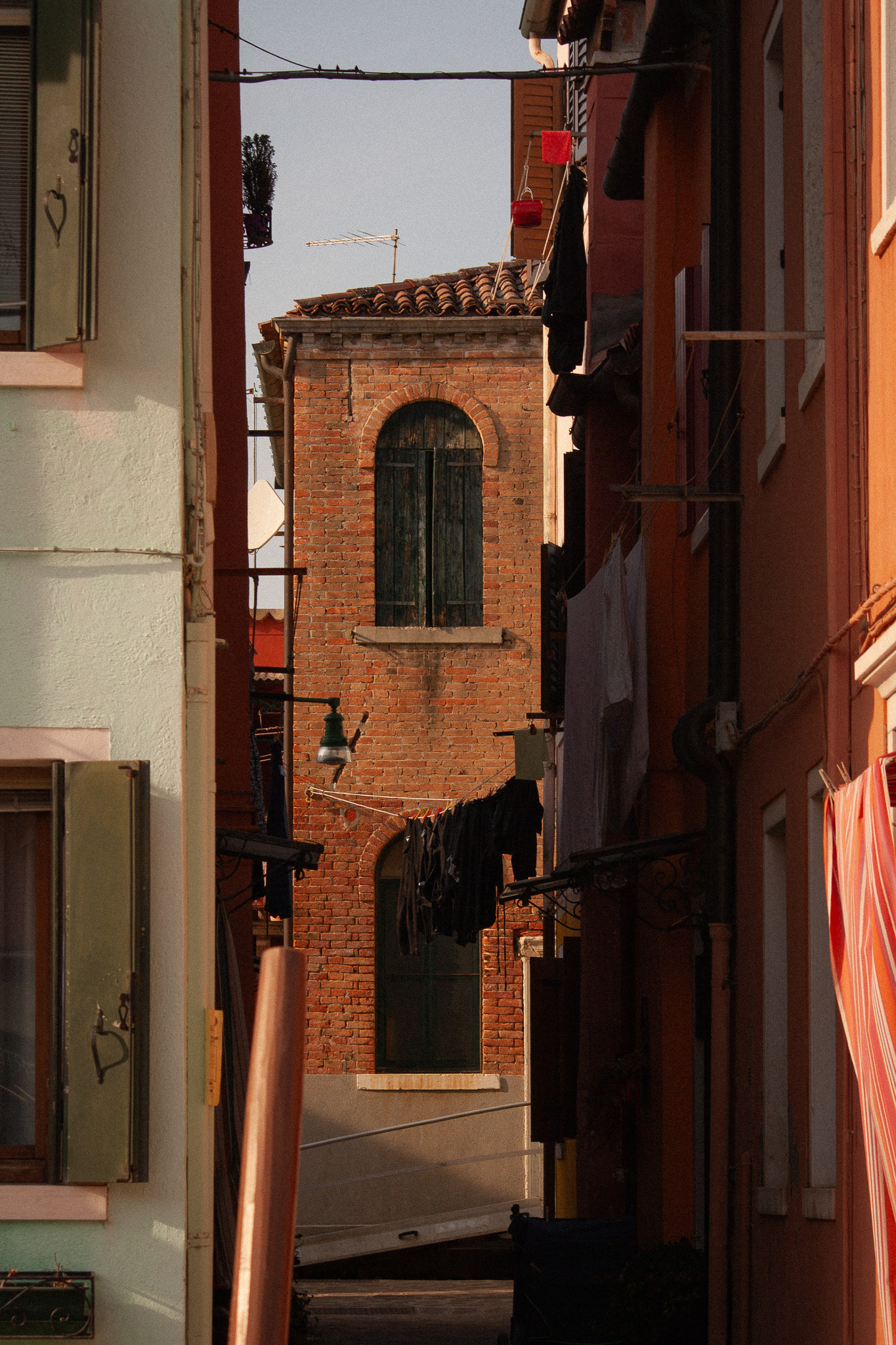
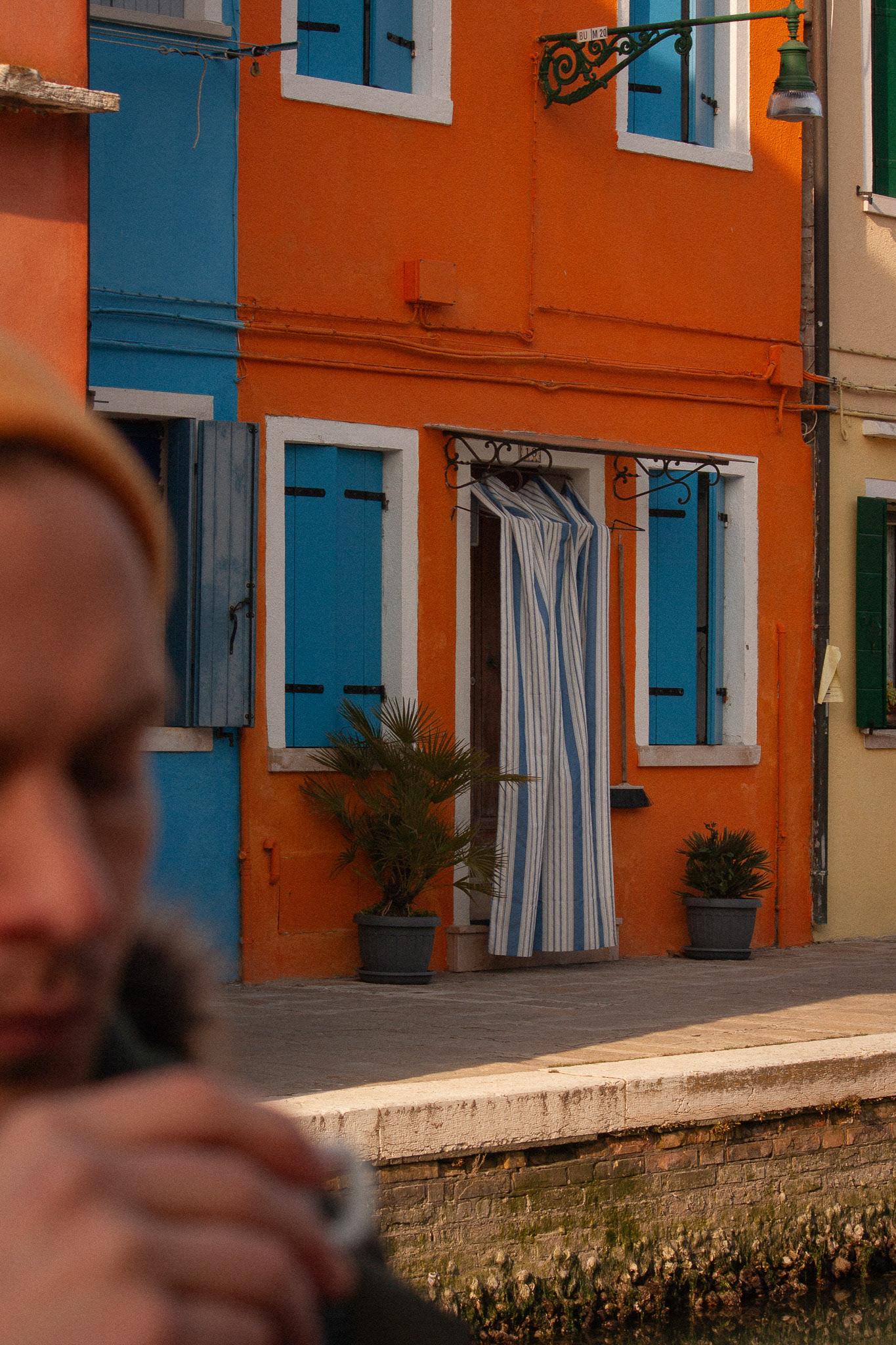
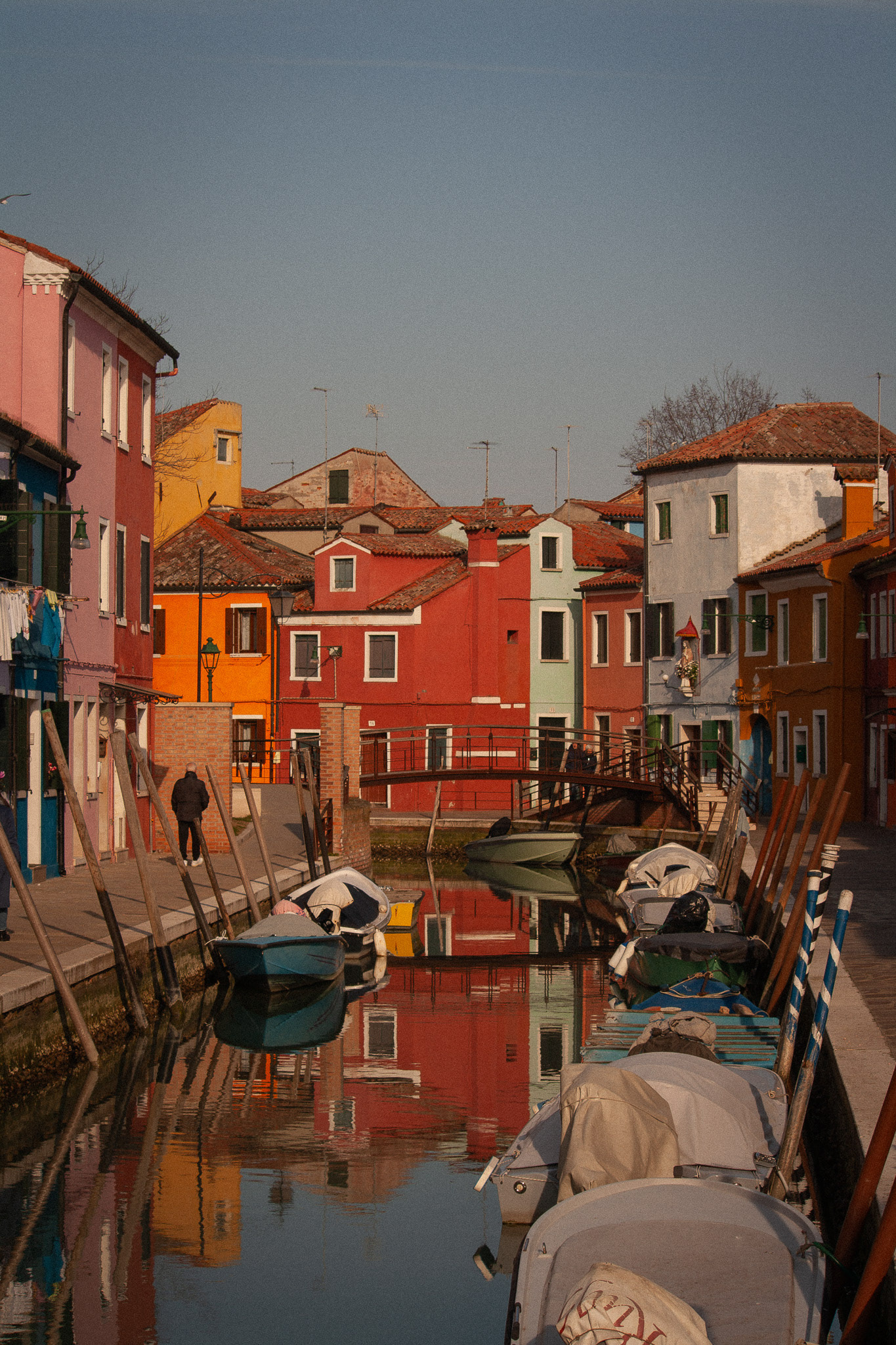
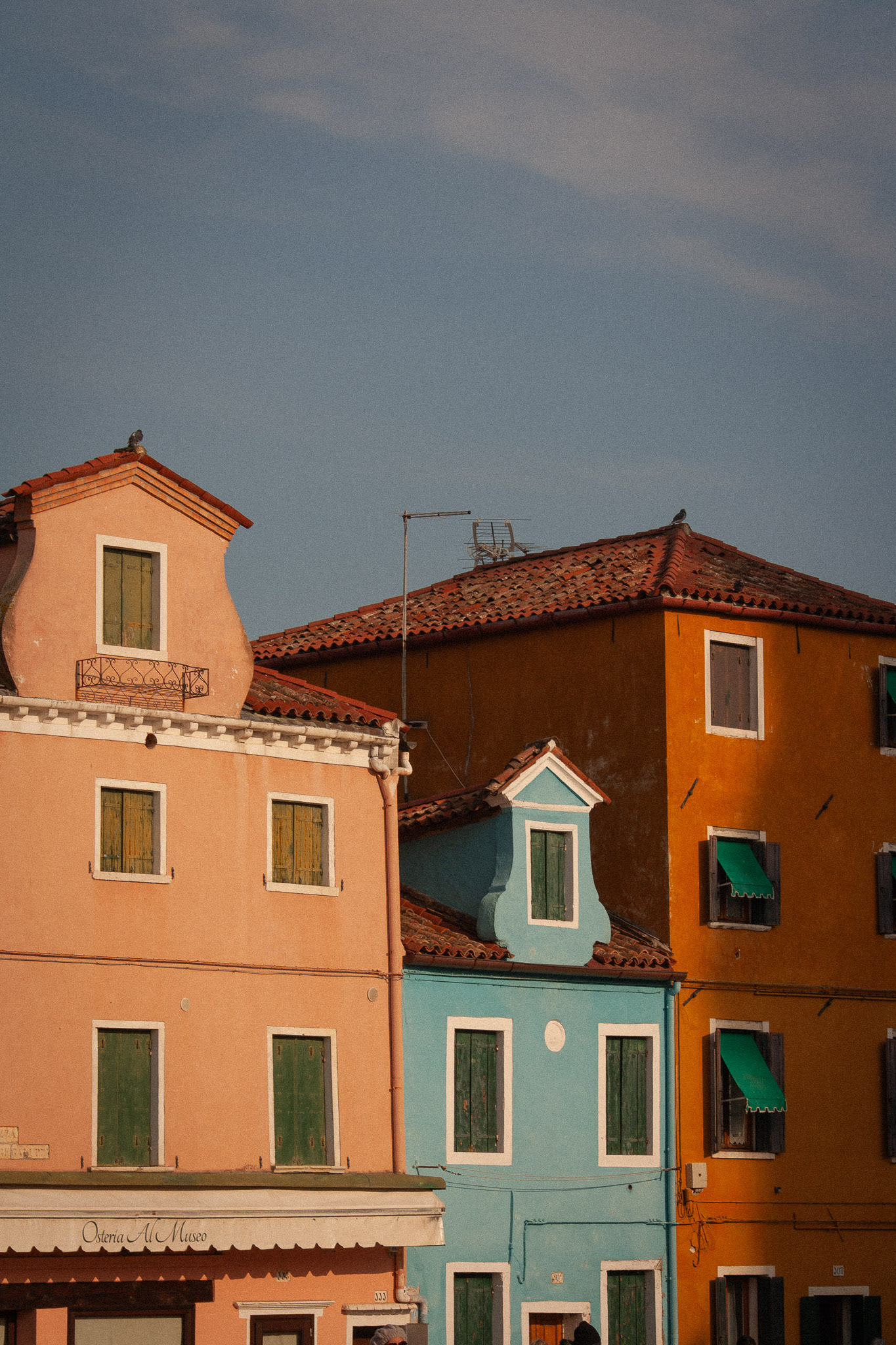
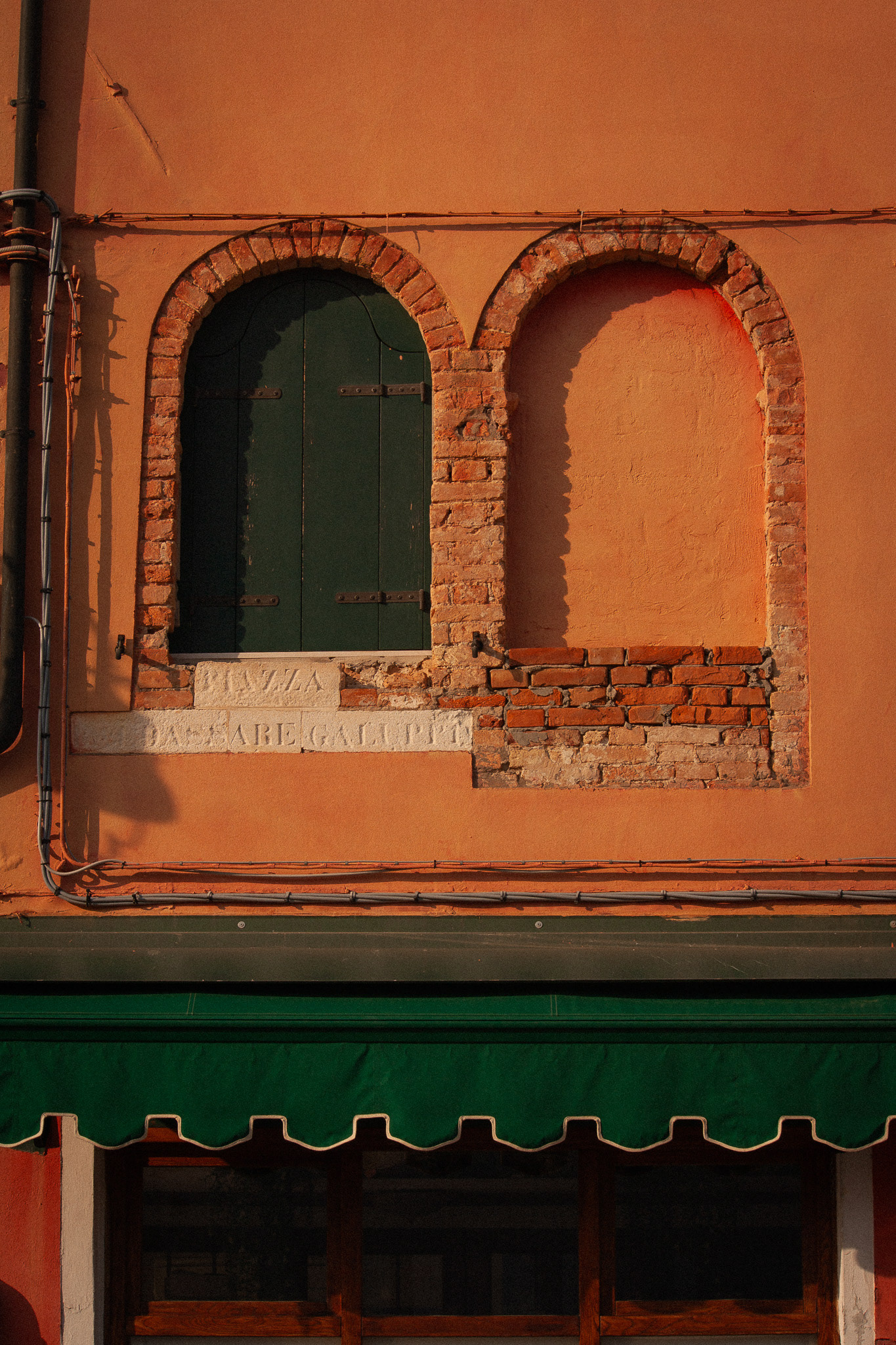
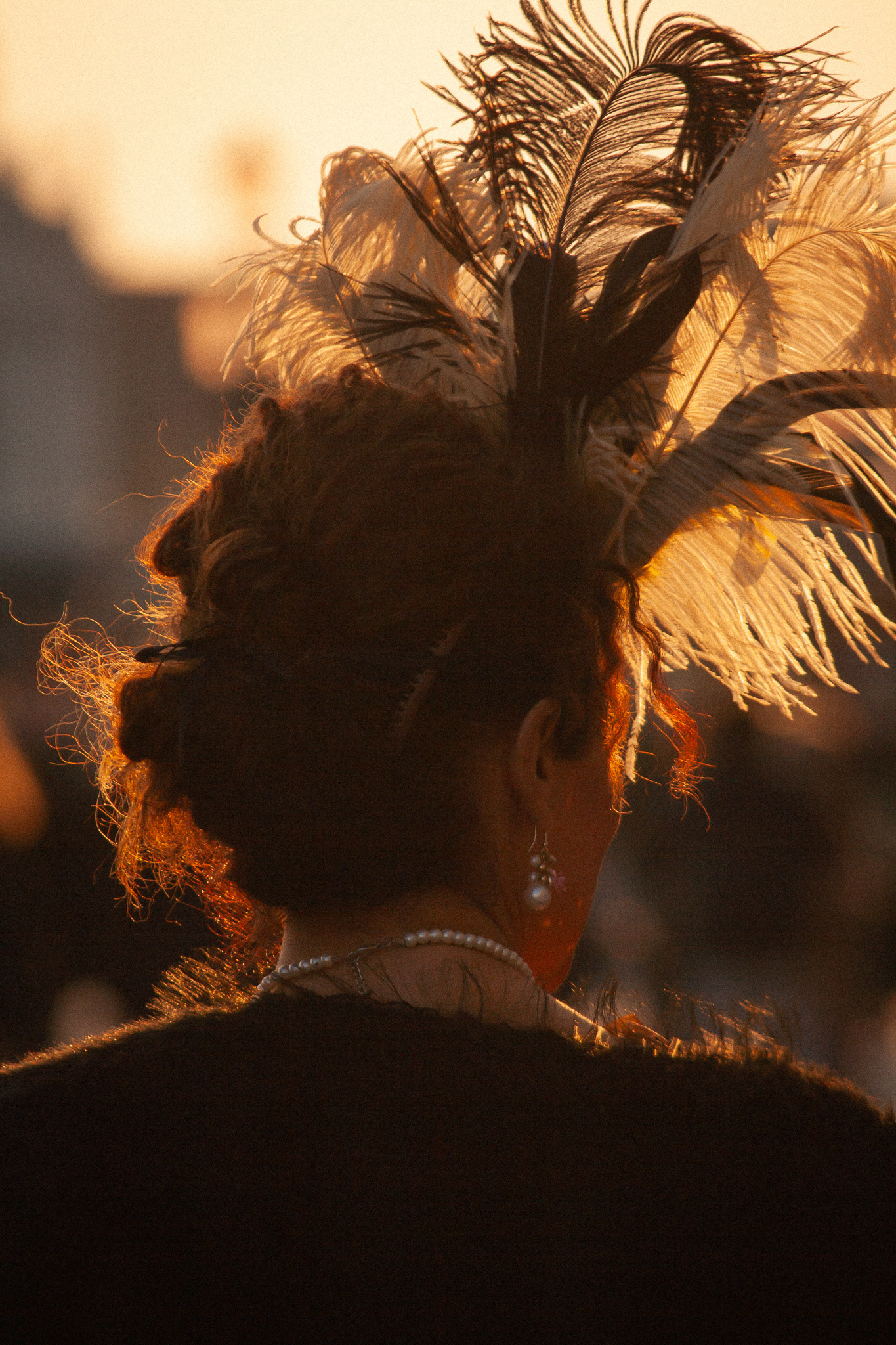
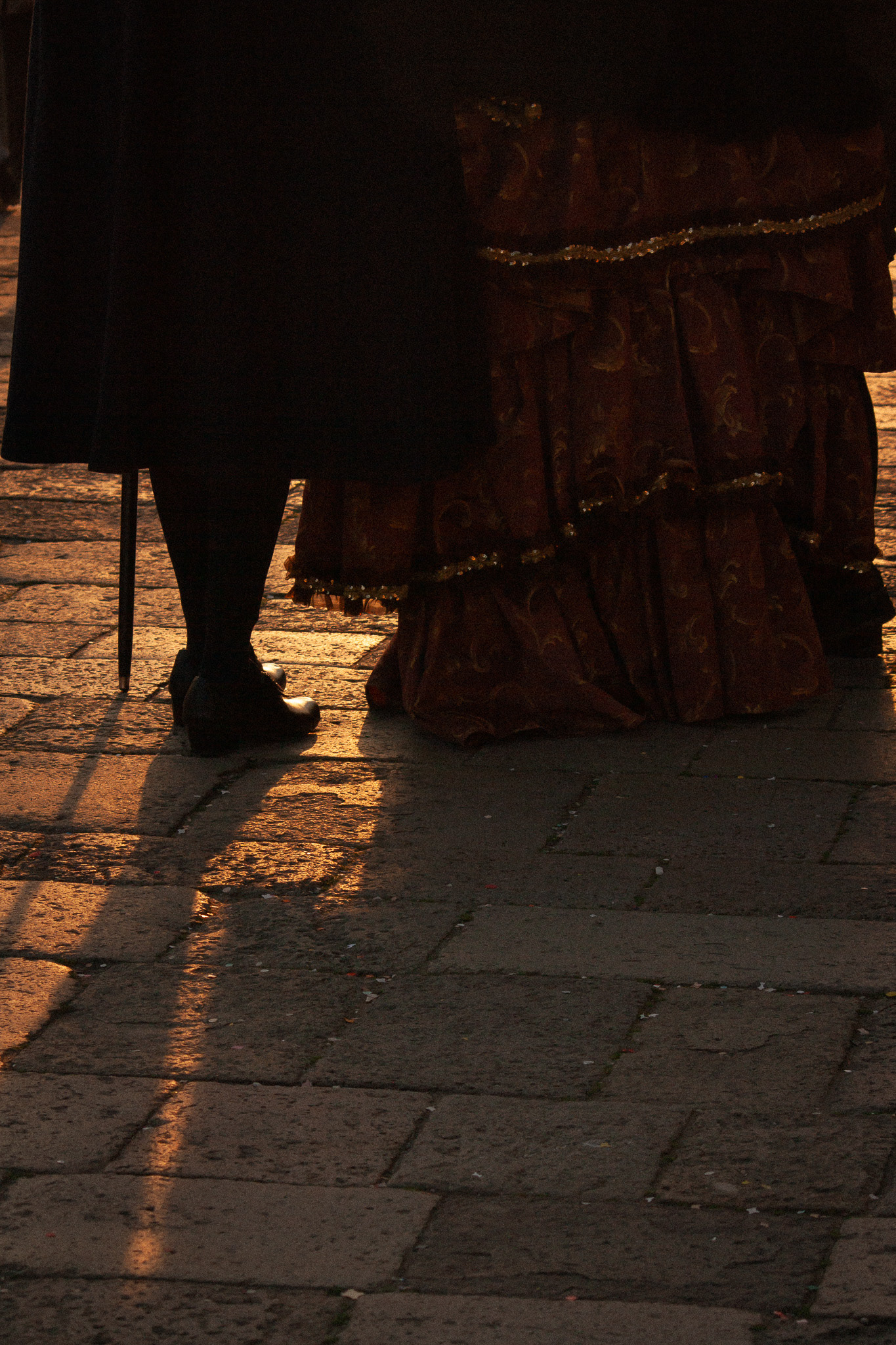
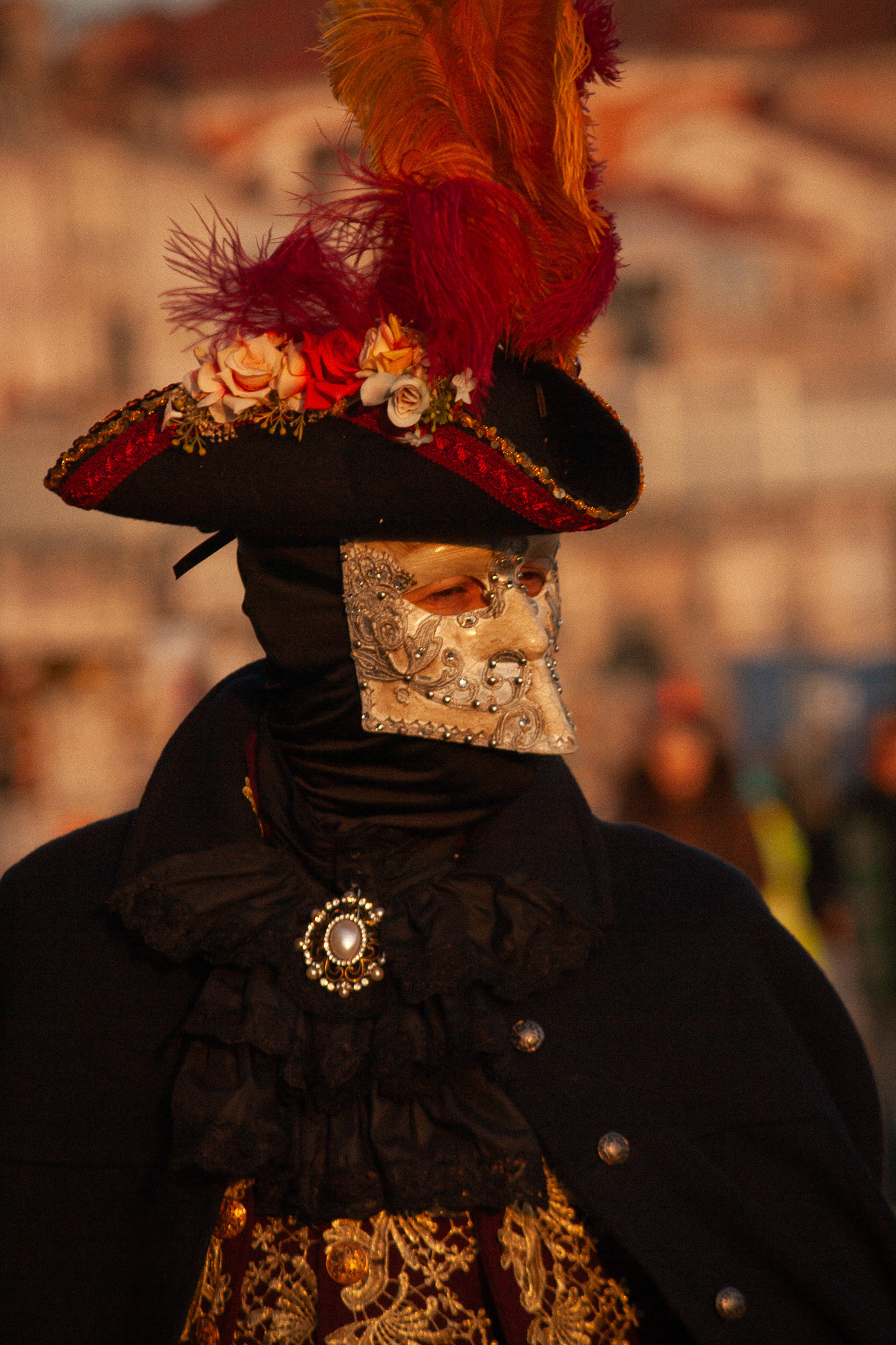
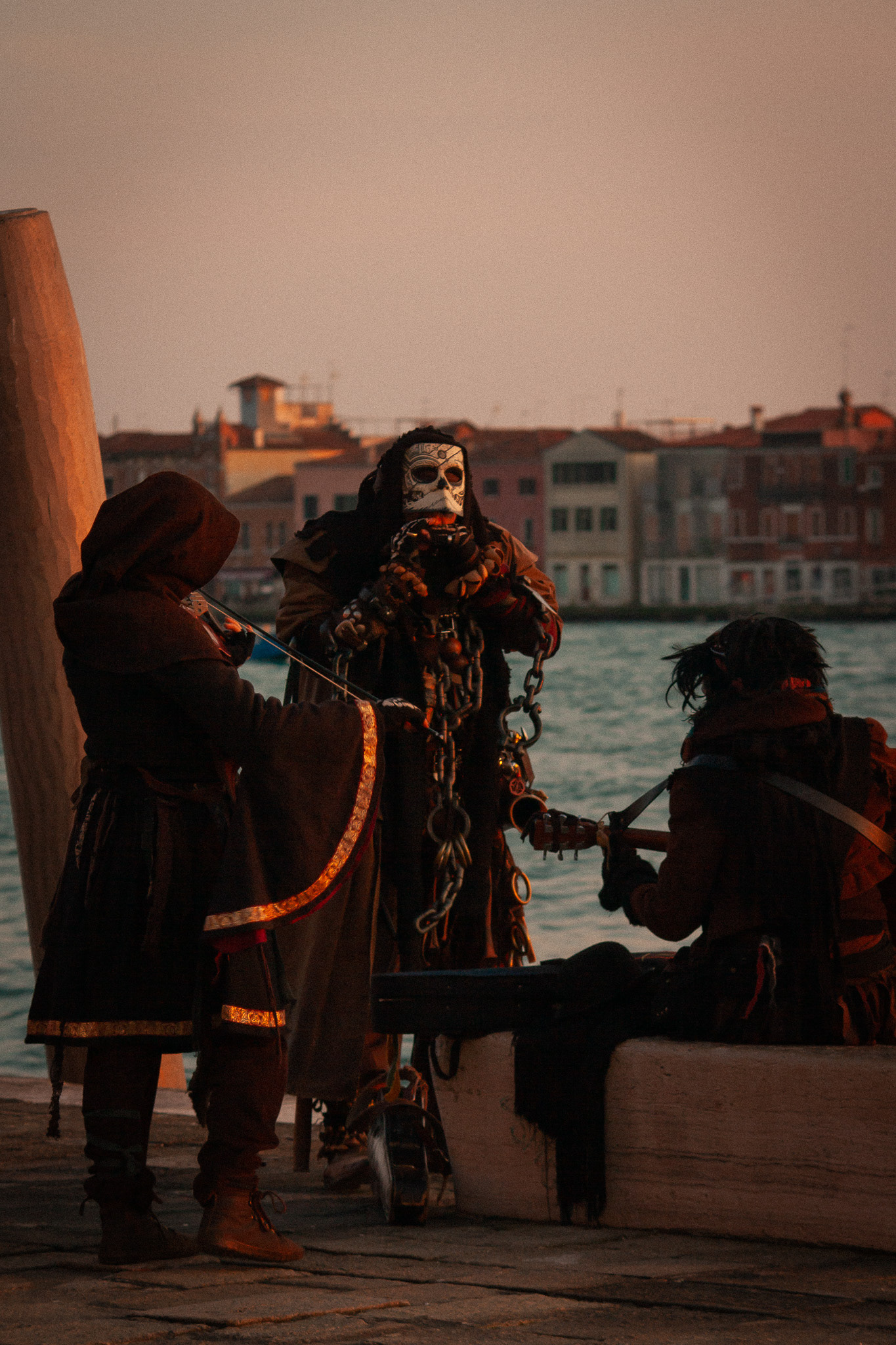
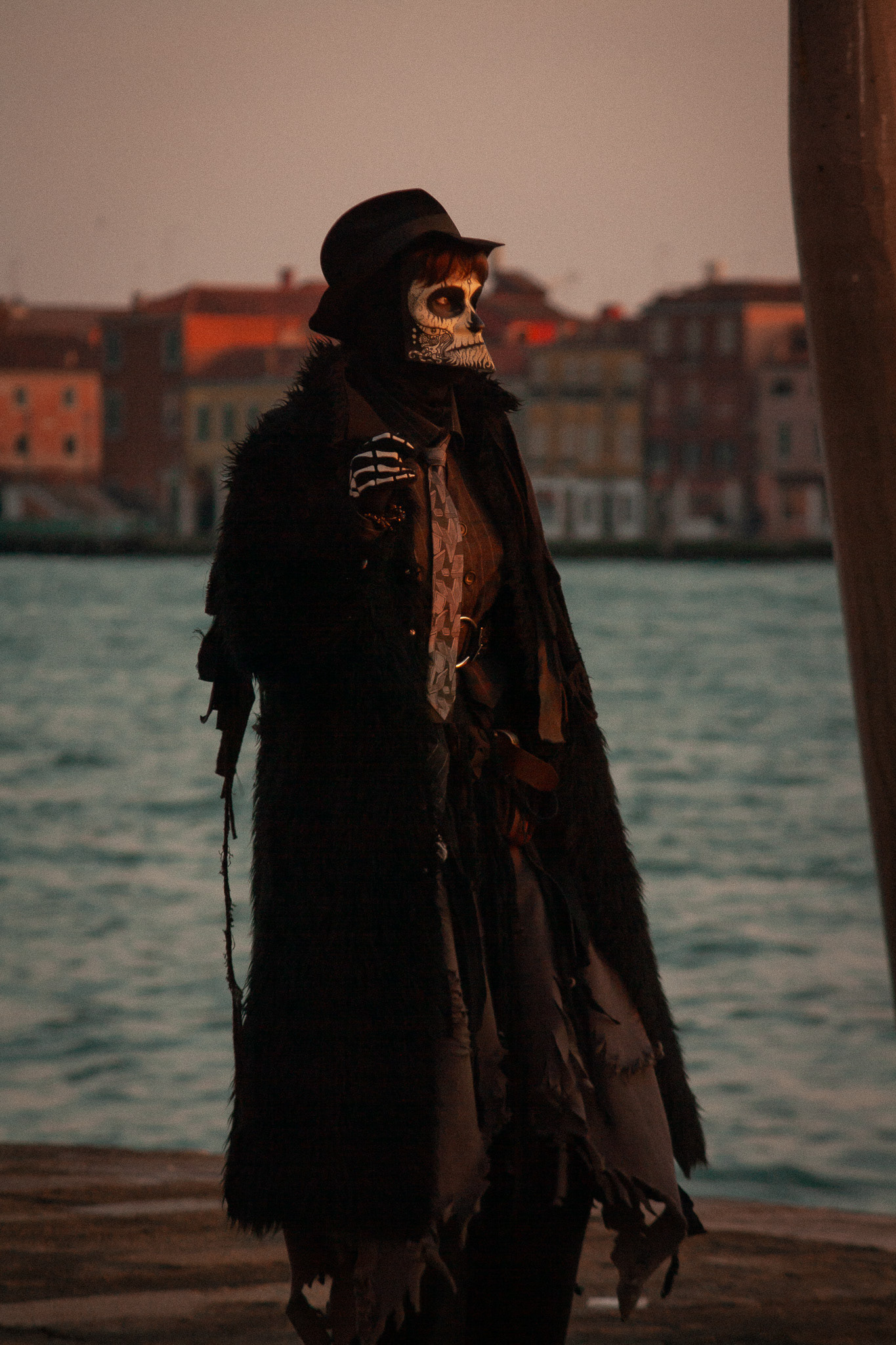
A trip to Burano on our last day happened almost by chance, although it was my sister’s wish to visit and I’m really glad it worked out, ferry and all (and by that I mean sea sickness successfully avoided on my end, thankfully)! The colours of this island are sort of rebellious, daring to stand out against Venice’s softer tones. Every house seemed painted with cheerful intention, and even the smallest details, like the laundry strung across lines or the little boats bobbing along the canals, added to that playful atmosphere we instantly fell into and became part of. At the same time, Carnival was unfolding all around us, masks everywhere (of course I had to pick some gorgeous ones for us!), and elaborate costumes popping up in alleyways and squares, adding another layer where Venice leans even further into its theatrical nature. I like to think every form of art is a kind of “mask” too, a curated version of reality as perceived by the artist, a deeper dialogue between the two. And so photography is less like just capturing and more like interpreting, by choosing what to frame and how to edit light, colours, moods. Artists have done exactly that for centuries through their paintings… I’m simply doing it with Adobe Lightroom instead of oil, warming tones cameras tend to cool, softening highlights, and lifting shadows where the best details hide. Looking at all the images I took during this trip, I can see that sort of conversation between me and this place, and the dreamlike memories it helped create.
Other projects

Back to Top